
-
Hormonal shifts during menopause can slow down your metabolism, making it easier to gain weight.
-
Building muscle through strength training can counteract the loss of muscle mass and boost metabolism.
-
Opting for low-glycemic foods and managing insulin can help control menopause-related weight gain.
-
Stress reduction techniques and adequate sleep are critical for balancing hormones that affect weight.
-
Adjusting your diet to include more proteins and healthy fats can support weight loss during menopause.
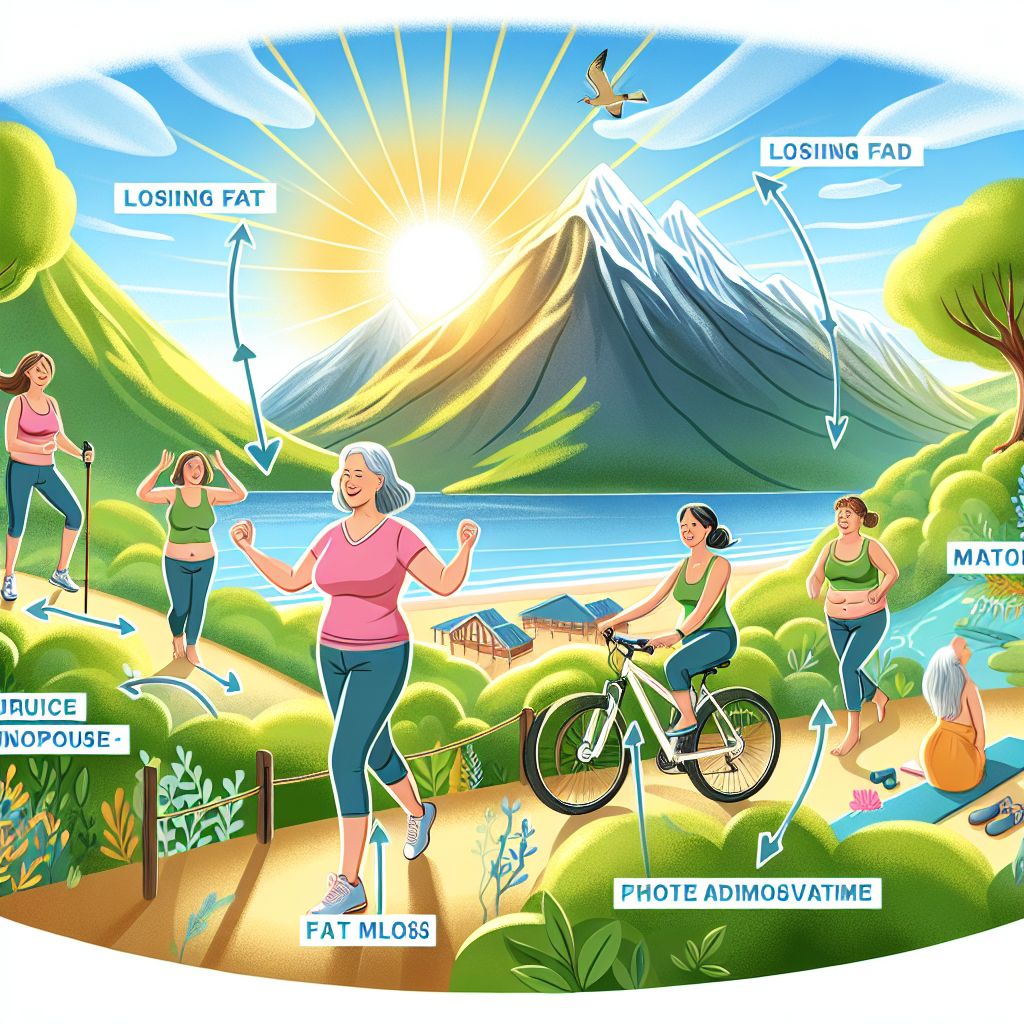
Understanding Menopause and Weight Gain
Menopause is a natural phase in a woman’s life, but it often comes with unexpected changes, particularly in body weight and composition. It’s not just about aesthetics; these changes can have significant health implications. So let’s dive into what’s happening in your body and how you can navigate this transition with grace and health.
Hormonal Changes and Their Impact on Metabolism
As you approach menopause, your ovaries gradually produce less estrogen and progesterone. These hormones have a role in regulating metabolism and body weight. With their decline, you might notice your metabolism isn’t what it used to be. That’s because estrogen helps regulate body weight, and with less of it, your body may burn calories more slowly, leading to weight gain.
But here’s the kicker: while you can’t stop the natural shift in hormones, you can influence how your body responds. By understanding and adapting to these changes, you can maintain a healthy weight and feel great in the process.
Lifestyle Factors Contributing to Weight Gain
Besides hormonal changes, other factors contribute to weight gain during menopause. For instance, as we age, we tend to become less active. This decrease in physical activity means we burn fewer calories, which can lead to weight gain if we don’t adjust our caloric intake accordingly.
Therefore, it’s crucial to look at your lifestyle as a whole. Are you moving less than you did in your thirties? What’s on your plate these days? It’s time to take a holistic approach to your health, considering both diet and exercise.
The Role of Insulin in Menopausal Weight Gain
Insulin is a hormone that your body uses to convert sugar from carbohydrates into energy. As you enter menopause, your body may become more resistant to insulin, which can cause blood sugar levels to rise and lead to weight gain, especially around the abdomen.
High Glycemic Diets and Insulin Resistance
High glycemic foods, like white bread and sugary snacks, can cause rapid spikes in blood sugar and insulin levels. Over time, these spikes can lead to insulin resistance. It’s a bit like crying wolf: if insulin is always ‘on,’ your body responds by tuning it out. And when your body ignores insulin, it’s not just your blood sugar that suffers; it can also cause you to pack on the pounds.
Strategies to Stabilize Insulin Levels
To keep insulin levels stable, consider these steps:
-
Choose legumes, which have a lower glycemic index and don’t spike your blood sugar as much.
-
Include plenty of fiber in your diet, which can slow the absorption of sugar into your bloodstream.
-
Snack on nuts and seeds instead of chips or cookies to keep blood sugar levels even.
It’s about making smart swaps and being mindful of how foods affect your body’s insulin response.
Incorporating Healthy Fats and Proteins
Healthy fats and proteins are your allies in the fight against menopause weight gain. They’re more satiating than carbohydrates, which means they can help you feel full longer and prevent overeating. Plus, they’re crucial for maintaining muscle mass, which is important because muscle burns more calories than fat, even at rest.
Focus on adding foods like avocados, nuts, seeds, olive oil, fish, and lean meats into your diet. These nutrient-rich foods not only support weight management but also contribute to overall health, providing essential fatty acids and amino acids your body needs to function optimally.
Creating a Menopause-Friendly Exercise Regimen
Exercise is a powerful tool for managing menopause symptoms, including weight gain. The key is to create a balanced routine that includes both strength training and aerobic exercises. This combination helps you build muscle, increase metabolism, and burn fat more effectively.
Why Strength Training is Essential
During menopause, you naturally lose muscle mass, which slows down your metabolism. Strength training is crucial because it helps reverse this trend. By building muscle, you’re boosting your resting metabolic rate – the rate at which your body burns calories when you’re not active. This means you’ll be burning more calories throughout the day, even when you’re not working out.
The Power of Aerobic Exercises for Fat Loss
Aerobic exercises, like walking, cycling, and swimming, are fantastic for burning calories and improving cardiovascular health. But they do more than that; they also help reduce insulin resistance, which is particularly important during menopause. Aim for at least 150 minutes of moderate-intensity aerobic activity per week to see the best results.
Remember, the best exercise is the one you enjoy and can stick with. So find activities that you love and that fit into your life. That way, you’re more likely to keep up with your exercise regimen in the long run.
Most importantly, always listen to your body. If something feels off, take a break or try a different activity. Your body is going through a lot of changes, and it’s essential to respect its limits.
Managing Stress to Curb Menopausal Weight Gain
Stress can have a profound impact on weight gain during menopause. When you’re stressed, your body produces more of the hormone cortisol, which can lead to increased appetite and cravings for unhealthy foods. It’s a double whammy because high cortisol levels can also make it harder to lose weight, especially around the midsection.
Prayer and Its Role in Weight Management
Prayer using deep breathing can also activate the relaxation response. Even just a few minutes a day can make a difference, so try to incorporate mindfulness into your daily routine.
Importance of Sleep in Regulating Appetite Hormones
Getting enough sleep is essential for weight management. When you’re sleep-deprived, your body produces more ghrelin, the “hunger hormone,” which can lead to overeating. Aim for 7-9 hours of quality sleep each night to help regulate your appetite hormones and support your weight loss goals.
Besides that, a good night’s sleep can also improve your mood and energy levels, making it easier to stick to your exercise and diet plans.
Adapting to Your Body’s Changing Needs
As you transition through menopause, your body’s needs change, and so should your approach to diet and exercise. It’s not just about eating less and moving more; it’s about eating smarter and moving in ways that support your body’s new hormonal landscape.
Adjusting Caloric Intake for a Slower Metabolism
With a slower metabolism, you may not need as many calories as you did before menopause. Pay attention to portion sizes and focus on nutrient-dense foods that provide the vitamins and minerals your body needs without excess calories.
The Importance of Regular Health Check-ups
Regular health check-ups are crucial for staying on top of the changes in your body. Your doctor can help monitor your health markers, like blood sugar and cholesterol levels, and provide personalized advice for managing menopause symptoms, including weight gain.
The Science of Eating Patterns and Weight Loss
When and how often you eat can also impact your weight. Some research suggests that eating patterns like intermittent fasting may help with weight loss and improve metabolic health.
Intermittent Fasting and its Benefits
Intermittent fasting involves cycling between periods of eating and fasting. It can help you reduce your overall caloric intake and improve insulin sensitivity, which may be particularly beneficial during menopause. Here are some common methods:
-
18/6 method: Fast for 18 hours each day and eat during an 6-hour window.
-
5:2 method: Eat normally for 5 days of the week and restrict calories to 500-600 for 2 non-consecutive days.
-
Eat-Stop-Eat: Do a 24-hour fast once or twice a week.
Remember, intermittent fasting isn’t suitable for everyone, so it’s important to consult with a healthcare provider before starting any new eating pattern, especially during menopause.
Meal Timing and Frequency for Optimizing Metabolism
When it comes to meal timing and frequency, there’s no one-size-fits-all answer. However, during menopause, it can be helpful to eat smaller, more frequent meals to help stabilize blood sugar levels and keep your metabolism humming. Think of it like adding kindling to a fire throughout the day to keep it burning steadily, rather than dumping on a large log that takes a while to catch.
Some tips for optimizing your meal timing include:
-
Start your day with a balanced very low glycemic breakfast to kickstart your metabolism.
-
Try not to eat large meals late at night when your metabolism naturally slows down.
By adjusting when and how often you eat, you can work with your body’s natural rhythms, not against them.
FAQs on Menopause and Fat Loss
Let’s address some of the most common questions about menopause and fat loss. With the right information, you can take control of your health and feel confident in your body’s changes.
Can Hormone Replacement Therapy Help with Weight Loss?
Hormone replacement therapy (HRT) can alleviate many symptoms of menopause, including hot flashes and bone density loss. Some women find that it helps with weight management, but it’s not a weight loss treatment. The best approach to weight loss during menopause is a combination of diet, exercise, and lifestyle changes.
If you’re considering HRT, it’s important to discuss the risks and benefits with your healthcare provider, as it’s not suitable for everyone.
What Are The Best Types of Foods to Eat During Menopause
-
Lean proteins such as chicken, fish, and legumes to support muscle mass.
-
Healthy fats from avocados, nuts, and seeds for satiety and hormone health.
-
Plenty of fruits and vegetables for vitamins, minerals, and fiber.
Eating a variety of these foods will not only help with weight management but also support overall health during menopause.
It’s also worth noting that certain foods can exacerbate menopause symptoms. For example, spicy foods might trigger hot flashes for some women, and caffeine and alcohol may disrupt sleep. Pay attention to how different foods affect your body and adjust your diet accordingly.
How Can I Overcome Weight Loss Plateaus During Menopause?
Weight loss plateaus can be frustrating, but they’re a normal part of the weight loss journey. If you’ve hit a plateau, it might be time to mix things up. Try increasing the intensity of your workouts or adding new exercises to challenge your body in different ways. Sometimes, making small changes to your diet, like increasing protein intake or reducing processed foods, can also jumpstart your metabolism.
Remember to be patient with yourself. Weight loss during menopause can take time, and that’s perfectly okay.
Is It Possible to Lose Weight After Menopause?
Yes, it is absolutely possible to lose weight after menopause. While you might need to adjust your strategies, weight loss at any age is achievable through a combination of healthy eating, regular exercise, and lifestyle modifications. It’s about finding what works for your body and being consistent with your efforts.
Don’t be discouraged by the scale. Focus on how you feel, how your clothes fit, and other non-scale victories like increased energy and better sleep.
What Lifestyle Changes Can Support Menopause Fat Loss?
Here are some lifestyle changes that can support fat loss during menopause:
-
Stay active and incorporate both aerobic and strength training exercises into your routine.
-
Adopt a balanced diet rich in whole foods and low in processed items.
-
Manage stress through mindfulness practices and ensure adequate sleep.
-
Stay hydrated by drinking plenty of water throughout the day.
-
Seek support from friends, family, or a healthcare professional when needed.
By implementing these changes, you can support your body’s health and well-being during menopause and beyond.