
Are you or someone you know going through menopause and experiencing an uncontrollable urge to move your legs, especially in the evenings? This could be Restless Leg Syndrome (RLS), a condition that often rears its head during menopause. It’s uncomfortable, it’s disruptive, and it’s something you can take steps to manage.
Key Takeaways
-
RLS affects up to 20.9% of women in the 55-64 age group during menopause.
-
Hormonal changes and iron deficiency may contribute to the onset of RLS.
-
Restorative sleep is essential as RLS symptoms typically worsen at night.
-
Simple lifestyle changes and flexibility exercises can provide relief.
-
Seeking professional help is recommended if RLS severely impacts your life.
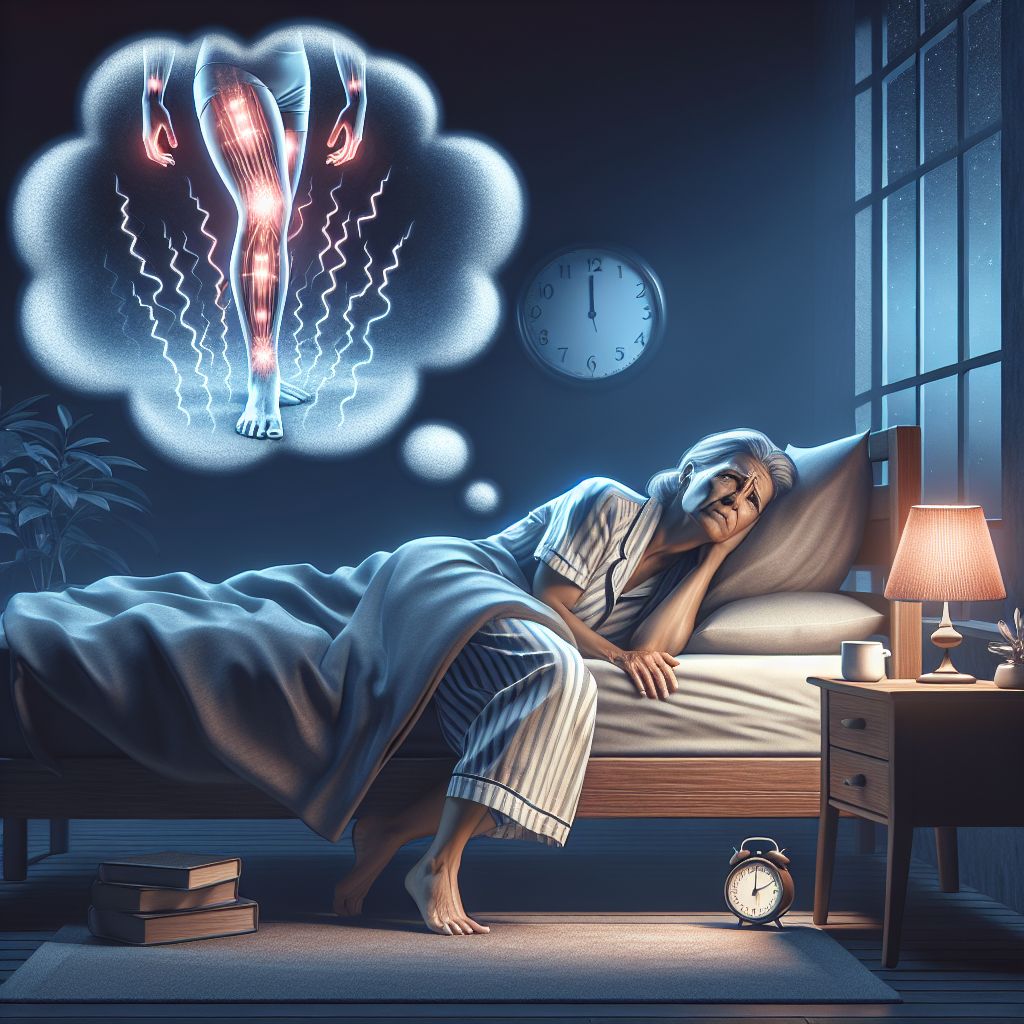
Understanding Restless Leg Syndrome During Menopause
RLS during menopause can feel like an itch you can’t scratch, a tingling that won’t ease, or an aching that keeps you awake at night. It’s a neurological disorder that causes an irresistible urge to move the legs, and it can be particularly bothersome during menopause when you’re already dealing with other changes.
The Link Between RLS and Menopausal Changes
Why does menopause bring about RLS? Well, it’s not just about hormonal changes, though they certainly play a role. Declining estrogen levels can affect the central nervous system, which may trigger or worsen RLS symptoms. Declining fitness levels lead to poor muscle health and poor flexibility. Additionally, menopause can disrupt sleep, and poor sleep can exacerbate RLS, creating a frustrating cycle.
But don’t worry, because I’ve got some strategies to help you break that cycle and find some relief.
Why Restorative Sleep Is Crucial for Menopausal Women
-
Ensures your body gets the rest it needs to function optimally.
-
Helps mitigate the severity of RLS symptoms that intensify at night.
-
Improves overall quality of life by reducing daytime fatigue.
Getting a good night’s sleep is essential, especially when you’re dealing with RLS. It’s when your body repairs itself, and without it, everything else, including RLS, can feel much worse.
Identifying Symptoms: More Than Just An Uncomfortable Sensation
RLS symptoms can vary from a mild nuisance to a severe disruption. They typically occur in the evening when you’re resting, and they can range from a crawling sensation to throbbing, pulling, or an uncontrollable urge to move. Recognizing these symptoms is the first step in managing RLS.
RLS Prevalence: Why Women in Menopause Are More Affected
Research shows that RLS is more prevalent in women going through menopause. This could be due to hormonal changes, but also because of lifestyle factors and other health changes that occur during this time. Most women are deconditioned and their muscles have poor flexibility especially in this age group. Knowing you’re not alone is comforting and also means there’s a wealth of shared knowledge on how to manage these symptoms.
Hormonal Fluctuations and Their Role in RLS
During menopause, estrogen and progesterone levels fluctuate and eventually decrease. These hormonal changes can have a direct impact on your central nervous system, potentially triggering RLS. Understanding this connection is key to managing your symptoms.
Addressing Iron Deficiency: A Hidden Contributor to RLS During Menopause
Iron deficiency is a known factor in RLS. Menopause can sometimes lead to lower iron levels, which might be why RLS is more common during this time. Ensuring you have enough iron in your diet or considering supplements (after consulting with a healthcare professional) could help ease your symptoms.
Can Flexibility Programs Alleviate Menopause RLS?
Moving your legs might be the last thing you want to do when they’re feeling restless, but hear me out. Flexibility programs can actually be quite beneficial for managing RLS symptoms. Stretching can ease muscle tension, improve circulation, and promote relaxation, which might just help calm those jittery legs. So of course this is meant as preventive strategies. You don’t want to be doing flexibility exercises in the middle of the night when you want to be sleeping.
Designing Your Flexibility Routine for RLS Relief
When it comes to creating a flexibility routine, the key is to focus on gentle, restorative movements that target the legs, hips, and lower back. You want to aim for stretches that can be done comfortably before bed or during other rest periods, as this is often when RLS symptoms are at their worst. There is a lot of bad advice now about how to stretch effectively. I won’t go into the details of why that is but here are the key essentials to get the best flexibility: don’t combine with strengthening at the same time— this is now a common but very bad idea for women in this stage of your life. The most effective stretch isolates the muscle, one muscle at a time, stretches slowly for 30 seconds and combines it with deep breathing to induce the relaxation response. This is what I teach patients directly in the office.
The Role of Consistency: How Regular Stretching Can Help
Consistency is crucial. Incorporating a daily stretching routine can help manage RLS symptoms over time. Most importantly, it’s about making it a habit. Even on days when your legs feel fine, sticking to your routine can help prevent symptoms from flaring up. So this means a daily program.
Let’s talk about how to integrate these stretches into your daily life. The best part is, you don’t need a gym membership or fancy equipment. All you need is about 20 minutes and a small space to get started. For those looking to optimize their fitness routine during menopause, simple stretches can be incredibly beneficial.
Remember, it’s not about doing the most advanced yoga poses or pushing your body to its limits. It’s about gentle movements that encourage relaxation and circulation without causing additional stress to your body. Simple stretches can be done by anybody who lie on the floor and if you cant do that, ask somebody to put a piece of plywood on a spare bed in your home. That can be your platfrom for stretching.
Integrating a Flexibility Program into Your Daily Routine
Now, I know what you might be thinking: ‘I barely have time to breathe, let alone stretch!’ But trust me, it’s easier than you think to fit a flexibility program into your life. You can do stretches while watching TV, after a warm bath, or even in bed.
Hold each stretch for about 30 seconds and remember to breathe deeply. This is your time to unwind, so try to clear your mind and focus on how your body feels.
The Impact of RLS on Menopausal Health
RLS doesn’t just affect your legs; it can impact your overall health, especially during menopause. The lack of restful sleep caused by RLS can lead to daytime fatigue, mood swings, and even affect your heart health. Therefore, it’s important not to ignore these symptoms and to take steps to manage them.
One study found that 18.1% of women aged 45-54 suffered from RLS, and this increased to 20.9% in the 55-64 age group. That’s a significant number of women dealing with this issue during a time when they’re already facing numerous other health challenges.
By addressing RLS, you’re not just improving your sleep; you’re taking care of your overall health during menopause. This can have a ripple effect, improving your energy levels, mood, and even your relationships.
When to Seek Professional Help for Restless Leg Syndrome
If your RLS symptoms are severe or if the strategies you’ve tried aren’t bringing you relief, it’s time to seek professional help. A healthcare provider can offer additional treatments, which may include medication, iron supplements, or other therapies. For more information on menopause and restless leg syndrome, visit our detailed guide.
There’s no need to suffer in silence. Help is available, and with the right approach, you can manage your symptoms and reclaim your comfort and peace of mind.
In conclusion, remember that RLS during menopause is a manageable condition. With the right combination of restorative sleep, a flexibility routine, and professional guidance when needed, you can find relief from the symptoms and improve your overall well-being.
Long-Term Consequences of Sleep Deprivation on Health
Sleep is not just a period of rest, but a critical function for our body’s healing processes, especially during menopause. Chronic sleep deprivation from conditions like RLS can have serious health consequences. It can lead to increased risk of chronic diseases such as heart disease, obesity, diabetes, and even affect cognitive functions. It’s essential to prioritize sleep and manage RLS effectively to maintain your overall health.
FAQs
Let’s address some common questions about Restless Leg Syndrome during menopause, so you can feel empowered to take control of your wellness journey.
It’s normal to have concerns and questions about RLS, especially when it affects your daily life. I’m here to provide clear, actionable answers that can help you navigate this condition with confidence.
Is RLS a Permanent Condition, or Can It Be Cured?
RLS can be a long-term condition for many, but it doesn’t mean it can’t be managed effectively. While there’s no one-size-fits-all cure, many people find significant relief through lifestyle changes, dietary adjustments, and sometimes medication. It’s about finding the right balance that works for your body.
Are There Specific Types of Exercise to Avoid with RLS?
Exercise is generally beneficial for RLS, but timing and type matter. Vigorous exercise close to bedtime may exacerbate symptoms, so it’s better to engage in moderate activities earlier in the day. Additionally, avoid exercises that may overstimulate the legs, such as intense leg workouts, late in the evening. However stretching just before bed is fine.
Listen to your body; it will tell you if certain activities make your symptoms worse. If they do, it’s best to modify your exercise routine accordingly.
Here are some exercises that are generally considered safe and beneficial for those with RLS:
-
Walking
-
Swimming
-
Pilates
How Do I Know if It’s RLS or Something Else?
RLS has specific symptoms, such as an uncomfortable sensation in the legs and an irresistible urge to move them, especially at rest and during the evening. However, other conditions can mimic these symptoms, so if it doesn’t respond to simple home measures after a couple of months it’s important to get a proper diagnosis from a healthcare provider.
Some other conditions that may present with similar symptoms include leg cramps, neuropathy, and circulation issues. Here’s how to differentiate:
-
Leg cramps are sudden, painful contractions of the muscles, typically relieved by stretching.
-
Neuropathy involves nerve damage and can cause pain, tingling, or numbness, not necessarily associated with an urge to move the legs.
-
Circulation issues can cause aching and heaviness in the legs, but this usually worsens with movement and don’t usually cause the specific restless sensations of RLS.
If you’re unsure, it’s always best to consult with a healthcare professional who can provide a thorough assessment and accurate diagnosis.
Can Dietary Changes Impact the Severity of RLS Symptoms?
Absolutely. Diet plays a significant role in managing RLS. Iron-rich foods can be particularly beneficial if you have low iron levels. Additionally, avoiding stimulants like caffeine and alcohol, especially in the evening, can help reduce symptoms.
Staying hydrated and maintaining a balanced diet with plenty of fruits, vegetables, and whole grains can also support overall health and potentially reduce RLS symptoms.
What Are the Risks of Ignoring RLS During Menopause?
Ignoring RLS can lead to a cascade of health issues, primarily due to sleep disruption. Chronic sleep deprivation can weaken the immune system, exacerbate menopausal symptoms like hot flashes and mood swings, and increase the risk of developing chronic health conditions.
Beyond physical health, RLS can affect emotional well-being, leading to anxiety and depression. It’s important to address RLS symptoms early on to prevent these potential complications.
Many women experience an increase in menopause fatigue during the transition into menopause. A combination of hormonal changes, lifestyle adjustments, and dietary habits contribute to these feelings of exhaustion. Understanding the underlying causes can help in finding effective remedies and relief options.