
Key Takeaways
-
Organic foods can help manage menopause symptoms by avoiding hormone-disrupting chemicals.
-
Xenoestrogens, found in many non-organic foods, may worsen menopause symptoms.
-
A healthy GI biome, supported by organic foods, is crucial for overall health during menopause.
-
Phytoestrogens in organic foods can mimic estrogen and may reduce hot flashes and other symptoms.
-
Choosing organic foods rich in omega-3 fatty acids and anti-inflammatory properties can provide symptom relief.
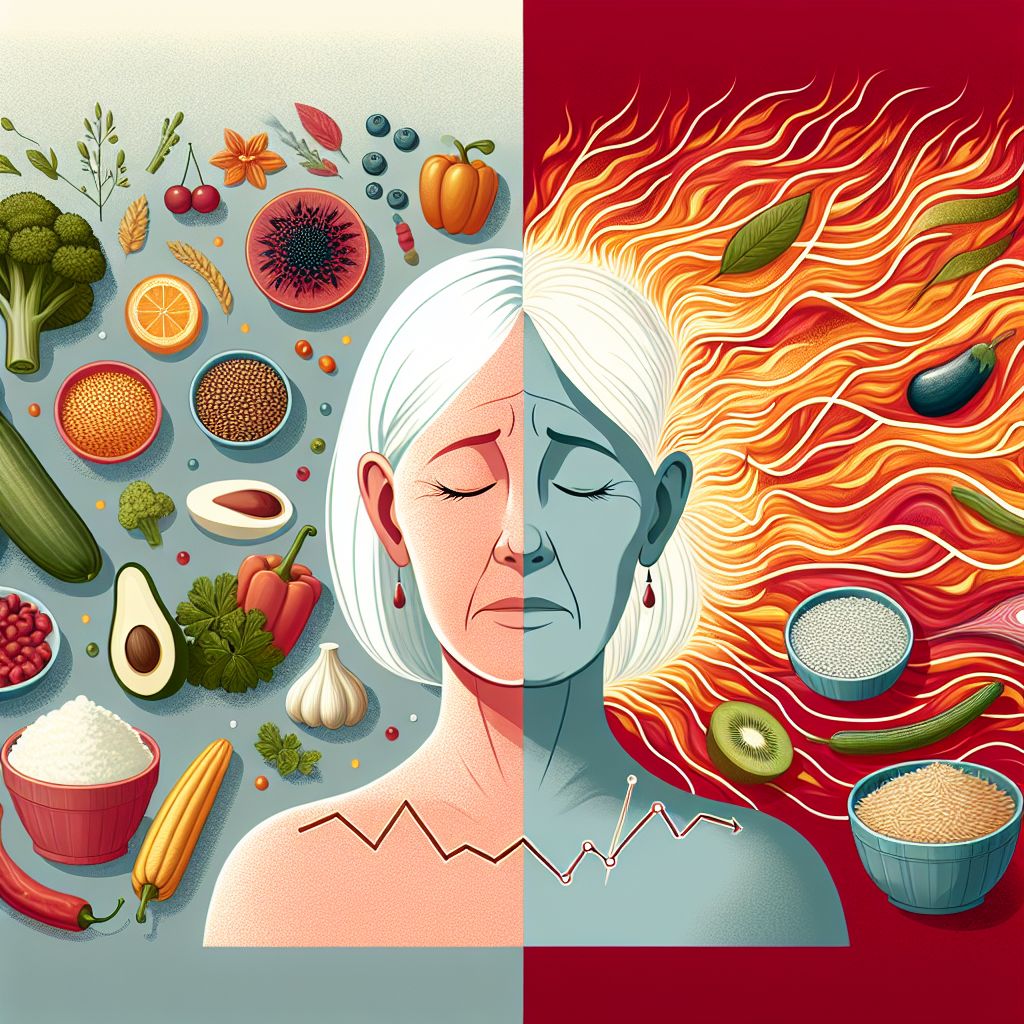
The Connection Between Organic Foods and Menopause Symptom Relief
Menopause can be a challenging time, with symptoms ranging from hot flashes to mood swings. But did you know that the foods you eat, specifically whether they’re organic or not, can make a significant difference? That’s right. An organic diet might just be the key to controlling those pesky menopause symptoms. Here’s why.
Understanding Xenoestrogens and Their Impact
First things first, let’s talk about xenoestrogens. These are synthetic chemicals that mimic estrogen in the body and are commonly found in pesticides and plastics. When you consume non-organic foods, you’re also ingesting these hormone disruptors, which can wreak havoc on your body’s natural hormonal balance—especially during menopause.
“Xenoestrogens can significantly alter hormonal functions and potentially exacerbate menopause symptoms.”
Most importantly, by choosing organic foods, you’re reducing your exposure to these harmful chemicals. And less interference with your hormones means a smoother transition through menopause.
How Organic Foods Support a Healthy GI Biome
Now, let’s dive into the gut—literally. Your gastrointestinal (GI) biome is a complex community of microorganisms living in your digestive system. This biome plays a critical role in your overall health, including hormone regulation. Organic foods are less likely to contain antibiotics and preservatives that can disrupt the delicate balance of your GI biome.
Organic Foods and Their Role in Easing Hot Flashes
Many women report that hot flashes are among the most uncomfortable menopause symptoms. An organic diet, rich in phytoestrogens and free from hormone-disrupting chemicals, may help keep them at bay.
By now, you might be seeing the big picture: an organic diet is not just about what’s missing (the bad stuff), but also about what’s present (the good stuff). Let’s keep unpacking this topic to truly understand how an organic diet can be a game-changer during menopause.
Studies on Xenoestrogens and Hormonal Balance
Research has shown that xenoestrogens (man made estrogens that are pollution in our environment–never meant to be there). can have a profound effect on hormonal balance. These chemicals can bind to estrogen receptors in the body, leading to an excess of estrogen-like effects. This is particularly concerning during menopause, when the body’s hormones are already in flux. Organic foods, by virtue of being free from synthetic pesticides, offer a diet lower in xenoestrogens.
One study, published in the journal Environmental Health Perspectives, found that women with higher levels of xenoestrogens experienced more severe menopausal symptoms. This underscores the importance of an organic diet during menopause for maintaining hormonal balance.
Protecting Your GI Biome with an Organic Diet
Your GI biome is a key player in your overall health, including your hormonal balance. An organic diet supports a healthy GI biome by providing foods that are free of antibiotics and pesticides, which can kill beneficial gut bacteria.
A healthy GI biome is not only about digestion. It’s also about how the body metabolizes hormones and regulates inflammation. Organic foods, rich in fiber and nutrients, feed the good bacteria in your gut, which in turn support a healthy endocrine system.
When your GI biome is in good shape, it can effectively break down and eliminate excess adverse hormones, which is especially beneficial during menopause when bio identical (not artificial xenoestrogens) hormonal balance is essential.
-
Eat plenty of organic fruits and vegetables to feed your good bacteria.
-
Include fermented organic foods like yogurt and sauerkraut to introduce more probiotics into your diet.
-
Eat healthy proteins: eggs and meat from range fed animals
-
Avoid foods with antibiotics and pesticides that can disrupt your gut bacteria.
What Is the GI Biome and Why It’s Important
The GI biome consists of trillions of microorganisms, including bacteria, fungi, and viruses, that live in your digestive tract. These microorganisms are essential for digesting food, synthesizing nutrients, and protecting against pathogens. They also play a crucial role in modulating the immune system and even influencing mood and behavior.
Organic Foods vs. Processed Foods: A Comparison for GI Health
When it comes to your GI health, not all foods are created equal. Organic foods tend to be higher in beneficial nutrients and lower in harmful chemicals that can disrupt your gut flora. In contrast, processed foods often contain additives, preservatives, and other chemicals that can harm the beneficial bacteria in your gut.
|
Organic Foods |
Processed Foods |
|---|---|
|
Free from synthetic pesticides and fertilizers |
May contain preservatives and artificial additives |
|
Higher levels of certain critical nutrients |
Often high in refined sugars and foods that are rapidly turned into sugar—and unhealthy fats |
|
Supports diverse and healthy gut flora |
Can lead to a reduction in gut flora diversity |
Probiotics and Prebiotics: Allies in Menopause Management
Probiotics are live beneficial bacteria that can help maintain the health of your GI biome, while prebiotics are non-digestible fibers that feed those good bacteria. An organic diet rich in both can be a powerful ally in managing menopause symptoms. Foods such as organic onions, garlic, and bananas are great sources of prebiotics, while organic yogurt and kefir are excellent for probiotics.
Combatting Menopause Symptoms with Organic Choices
Choosing organic isn’t just about avoiding the bad; it’s also about embracing the good. Organic foods are often richer in certain nutrients that can help combat menopause symptoms.
Nourishing Your Body with Phytoestrogens
Phytoestrogens are plant-based compounds that can mimic the effects of estrogen in the body. During menopause, when estrogen levels decline, phytoestrogens can help fill the gap. Organic soybeans, tofu, tempeh, and flaxseeds are excellent sources of phytoestrogens. Incorporating these into your diet can help alleviate symptoms like hot flashes and mood swings.
It’s important to note that while phytoestrogens can offer relief, they should be consumed in moderation and as part of a balanced diet. This is because their effects on the body can vary depending on individual hormonal levels and health conditions.
Omega-3 Fatty Acids: A Secret Weapon Against Menopausal Symptoms
Omega-3 fatty acids are known for their anti-inflammatory properties and have been shown to help with menopause symptoms. Organic flaxseeds, chia seeds, and walnuts are rich in omega-3s and can be a beneficial addition to your diet. These fatty acids not only help with hot flashes but also support heart health, which is particularly important as the risk of heart disease increases after menopause.
-
Add a tablespoon of ground flaxseeds to your morning smoothie.
-
Snack on a handful of walnuts instead of processed snacks.
-
Include chia seeds in your yogurt or oatmeal for an omega-3 boost.
Eating a variety of organic foods rich in omega-3 fatty acids is key. Remember, it’s not just about one single superfood; it’s about creating a balanced diet that supports your body through menopause.
Choosing the Best Organic Foods for Anti-Inflammatory Benefits
Inflammation can exacerbate menopause symptoms, so choosing foods with anti-inflammatory properties is crucial. Organic berries, leafy greens, and nuts are packed with antioxidants and phytonutrients that can help reduce inflammation. By incorporating these foods into your diet, you’re not only managing menopause symptoms but also investing in your long-term health.
Top Organic Foods Known to Reduce Hot Flashes
Let’s tackle one of the most common menopause challenges: hot flashes. The food you eat can have a significant impact on their frequency and severity. Organic foods that are known to help reduce hot flashes include soy products, flaxseeds, and certain fruits and vegetables. These foods contain phytoestrogens, which can help balance your hormones naturally.
Lifestyle Tips: Combining Diet with Other Natural Remedies
Besides adopting an organic diet, other lifestyle changes can help manage menopause symptoms. Regular exercise, staying hydrated, and practicing stress-reduction techniques like yoga or meditation can all have a positive effect. Remember, it’s about creating a holistic approach to your well-being during this time of change.
For example, combining daily walks with an organic, phytoestrogen-rich diet could lead to a noticeable decrease in hot flashes. Additionally, mindfulness practices may help manage the emotional rollercoaster that can accompany menopause.
Here are some quick tips to get started:
-
Begin your day with a brisk walk or other aerobic activity.
-
Incorporate organic, whole foods into every meal.
-
Stay hydrated by drinking plenty of water throughout the day.
-
Take moments to breathe deeply or meditate, especially during stressful times.
Frequently Asked Questions
Can Eating Organic Really Reduce the Severity of Hot Flashes?
Absolutely! Many women find that when they switch to an organic diet, they experience fewer and less severe hot flashes. This could be due to the reduced intake of xenoestrogens and the increased presence of natural phytoestrogens in organic foods.
“Making the switch to an organic diet was a game-changer for me. My hot flashes became less frequent and much more manageable.” – Jane, 52
How Soon Can I see Improvements in Menopause Symptoms with an Organic Diet?
It’s important to understand that every woman’s body is different. Some may notice improvements within a few weeks, while for others, it may take a couple of months. Consistency is key, so give your body time to adjust to the new diet and reap the benefits.
-
Patience is essential – it might take time to see changes.
-
Monitor your symptoms and diet for at least three months.
-
Keep a food diary to track what works best for you.
What If I Can’t Afford a Fully Organic Diet? Are There Specific Foods I Should Focus On?
While a fully organic diet is ideal, it’s not always feasible. Focus on the most important items like fruits and vegetables that you eat the skin of, and meats, since these are often the most contaminated with pesticides and hormones. The Environmental Working Group (EWG) publishes a list known as the “Dirty Dozen” which can help you prioritize your organic purchases.
If budget is a concern, here are some strategies:
-
Buy in bulk and freeze excess produce.
-
Choose organic for the EWG’s “Dirty Dozen” and go conventional for the “Clean Fifteen.”
-
Look for local farmers’ markets, which often offer organic produce at lower prices.
Are Organic Foods Safe and Effective for Hormone Replacement Therapy?
Organic foods can be a complementary approach to hormone replacement therapy (HRT), but they should not replace medical treatment prescribed by your doctor. Always consult with your healthcare provider before making any significant changes to your diet or medication regimen.
Can Menopause Symptoms Reoccur After Switching to an Organic Diet?
Menopause is a natural transition, and symptoms can fluctuate over time. While an organic diet can help manage symptoms, it’s not a cure-all. Stress, lifestyle changes, and other factors can cause symptoms to reoccur. It’s important to maintain a balanced diet, stay active, and manage stress to keep symptoms at bay.