
-
EMF exposure can reduce melatonin levels, disrupting sleep.
-
REM sleep, crucial for restoration, is affected by EMF.
-
Practical steps can mitigate EMF exposure for improved sleep.
-
Poor sleep exacerbates menopause symptoms like mood swings.
-
Reducing EMF in the bedroom is a key strategy for better menopause management.
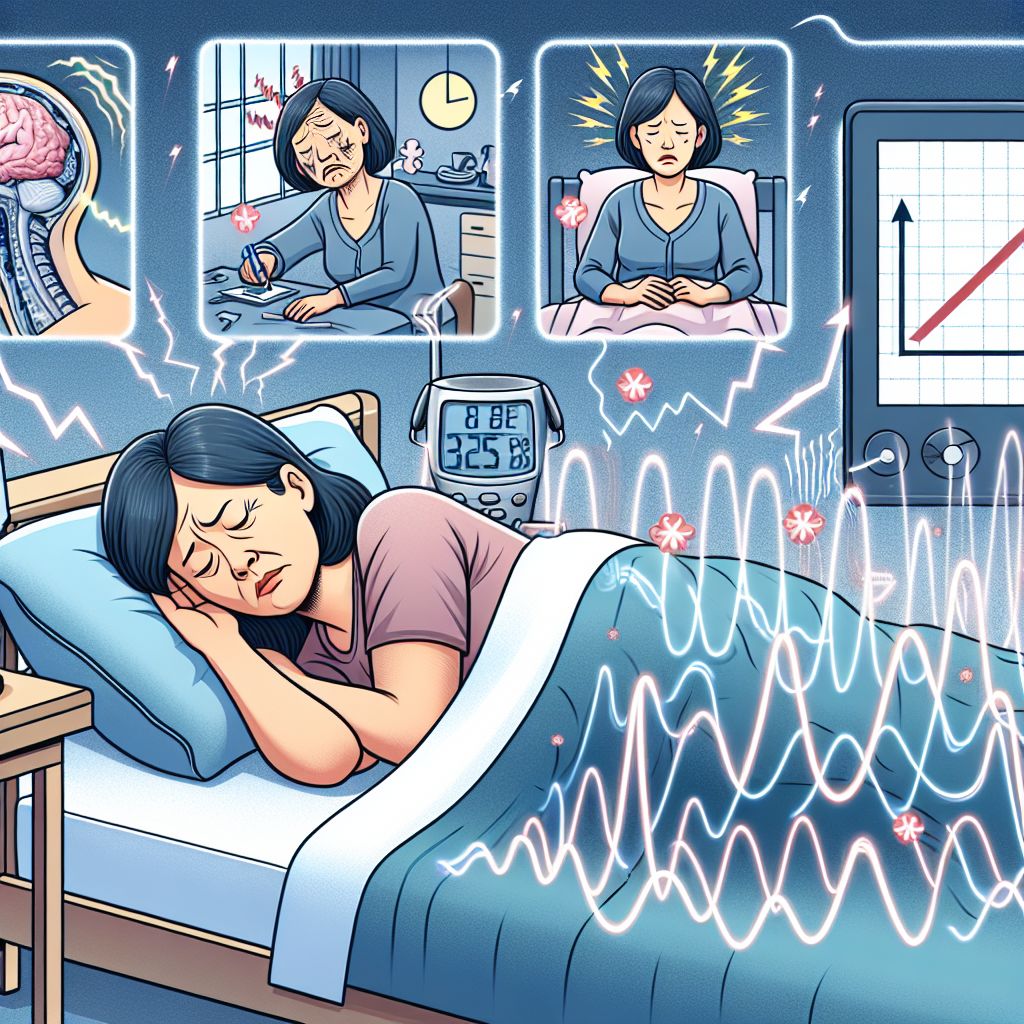
EMF negatively affects restorative sleep
When we talk about getting a good night’s sleep, we often focus on the basics: a dark room, a comfortable mattress, and a peaceful environment. But there’s an invisible factor that might be disrupting your sleep, particularly during menopause: electromagnetic fields, or EMFs. These sneaky culprits are emitted by the myriad of electronic devices that surround us, from smartphones to Wi-Fi routers.
Understanding EMF and Its Sources in the Bedroom
First, let’s break down what EMF really is. EMFs are invisible areas of energy, often referred to as radiation, associated with the use of electrical power and various forms of natural and man-made lighting. The bedroom, a sanctuary for rest, can be a hotspot for EMF exposure with devices like digital alarm clocks, mobile phones charging on the bedside table, and even electric blankets.
The Influence of EMF on Melatonin Production
Now, why should this concern you? Because EMFs can influence your body’s production of melatonin, the hormone that regulates sleep-wake cycles. Research suggests that EMF exposure, especially at night, can decrease melatonin levels, making it harder for you to fall and stay asleep. For women going through menopause, this is particularly troubling as melatonin levels naturally decrease with age.
Identifying the Stages of Sleep Affected by EMF
It’s not just about falling asleep, though. The quality of your sleep matters too. REM sleep, the stage where dreams occur, is essential for cognitive functions like memory and learning. Exposure to EMFs can reduce the time you spend in REM sleep, leaving you feeling less refreshed in the morning. This is especially concerning for menopausal women, who may already be experiencing sleep disturbances.
Practical Steps to Reduce EMF Exposure for Better Sleep Quality
So, what can you do about it? Let’s talk practical steps to reduce your EMF exposure for better sleep quality:
-
Switch off Wi-Fi at night or use a timer to automate this process.
-
Keep electronic devices like smartphones and tablets out of the bedroom.
-
Opt for battery-powered alarm clocks or those with minimal electronic features.
-
Consider an EMF shielding device or canopy for your bed if you’re particularly sensitive.
By taking these steps, you can create an EMF-reduced environment conducive to restorative sleep. And when you sleep better, you feel better—something that’s incredibly important during the transition of menopause.
Understanding the detrimental effects of EMF on sleep is only half the battle. For women going through menopause, the stakes are even higher as their bodies are already in a state of flux. Restorative sleep becomes not just a luxury, but a necessity for managing symptoms and maintaining overall health.
The Role of Sleep in Menopausal Symptom Regulation
Good sleep acts as a regulator for many menopausal symptoms. It’s during deep sleep that our bodies repair themselves, balance hormone levels, and reset stress responses. Lack of restorative sleep can amplify menopausal symptoms such as hot flashes, night sweats, and mood disturbances. Therefore, creating an environment that promotes quality sleep is crucial for symptom management.
Link Between Sleep Deprivation and Menopausal Mood Swings
There’s a well-established link between sleep deprivation and mood swings. With the added stress of menopausal changes, disrupted sleep can lead to irritability, anxiety, and depression. This is because sleep is intricately connected to the regulation of neurotransmitters that control mood. Ensuring a restful night’s sleep can help stabilize emotions during this turbulent time.
Impact of Sleep Disruption on Hormone Balance During Menopause
During menopause, the body’s hormone production is already in a delicate balance. Disrupted sleep can throw this balance into disarray, exacerbating symptoms like weight gain and memory fog. Progesterone, a hormone that promotes sleep, drops during menopause, making high-quality sleep even more elusive. Limiting EMF exposure can help protect the natural production of sleep hormones.
Lifestyle Adjustments to Promote Restorative Sleep During Menopause
Aside from reducing EMF exposure, there are several lifestyle adjustments that can promote restorative sleep during menopause:
-
Create a bedtime routine that signals your body it’s time to wind down.
-
Keep your bedroom cool to help manage hot flashes and night sweats.
-
Incorporate relaxation techniques like meditation or deep breathing exercises before bed.
-
Exercise regularly, but avoid vigorous activity close to bedtime.
-
Be mindful of diet and avoid heavy meals, caffeine, and alcohol before sleep.
These strategies, combined with a reduction in EMF exposure, can significantly improve sleep quality during menopause.
Key Takeaways
-
EMF exposure at night can disrupt the body’s natural production of melatonin, leading to poor sleep quality.
-
REM sleep, essential for cognitive functions and restoration, is negatively impacted by EMF exposure.
-
To reduce EMF exposure, keep electronic devices out of the bedroom, switch off Wi-Fi at night, and consider using EMF shielding products.
-
Poor sleep can exacerbate menopause symptoms, making restorative sleep a key factor in managing this life stage.
-
Lifestyle adjustments, such as a cool bedroom environment and relaxation techniques, can further promote better sleep during menopause.
How exactly does EMF impact melatonin and sleep?
Let’s get straight to the point: EMF can interfere with your body’s natural sleep rhythm. Melatonin, our sleep hormone, is produced in the dark and signals to our body that it’s time to rest. However, EMF exposure, especially at night, can trick your body into thinking it’s still daytime, suppressing melatonin production. This means it takes longer to fall asleep, and the sleep you do get is less likely to be the deep, restorative kind you need.
Think about it like this: if your body is a concert, melatonin is the conductor. EMF is like a rogue trumpet player hitting all the wrong notes, throwing off the entire performance. It’s not just about quantity of sleep, but the quality, and EMF messes with both.
Can EMF exposure intensify hot flashes or night sweats?
Yes, it can. Hot flashes and night sweats are common menopause symptoms, and they’re made worse by anything that disrupts your body’s natural cooling process. Since EMF exposure can lead to poor sleep quality, it can leave you more vulnerable to these uncomfortable episodes. A hot flash in the middle of the night isn’t just unpleasant; it can wake you up and make it hard to fall back asleep, setting the stage for a cycle of sleep disruption and daytime fatigue.
Are certain women more sensitive to EMF during menopause?
Indeed, some women may be more sensitive to EMF. Sensitivity can vary based on a number of factors, including your overall health and stress levels. If you’re already struggling with menopause symptoms, your body is in a heightened state of alert, and the added stress from EMF exposure can be the last straw that disrupts your sleep and exacerbates symptoms like mood swings and fatigue.
What are the long-term risks of EMF exposure on overall health?
Long-term EMF exposure isn’t just about losing a few hours of sleep—it can have serious implications for your health. Chronic sleep disruption is linked to a host of issues, including increased risk of cardiovascular disease, obesity, diabetes, and even certain types of cancer. And since menopause already puts you at a higher risk for some of these conditions, it’s especially important to manage your EMF exposure.
Which practical bedroom changes can one implement to minimize EMF?
Creating an EMF-free bedroom oasis is easier than you might think. Here’s how to do it:
-
Move electronics out of the bedroom, or at least keep them away from your bed.
-
Turn off Wi-Fi at night or invest in a router with a built-in timer.
-
Choose a traditional alarm clock over your phone to avoid EMF and the temptation to scroll before bedtime.
-
If you must have a phone in your room, switch it to airplane mode.
-
Consider EMF-blocking paint or window treatments if you live in an area with high outdoor EMF sources.
Remember, the bedroom should be a place of rest and rejuvenation, not a tech hub. By making these changes, you’re not just improving your sleep; you’re investing in your long-term health and well-being.
As we wrap up, let’s remember the key points. EMF disrupts sleep by messing with melatonin, which can make menopause symptoms like hot flashes worse. Some women are more sensitive to EMF, and long-term exposure has real health risks. But there’s good news: you have the power to make changes in your bedroom that can drastically reduce your EMF exposure and improve your sleep and health. Take these steps, and you’ll be on your way to more restful nights and better days.
Stanley Lang, M.D. has been in active medical practice since 1978. He has been a family physician during these years with detailed experience in all age groups including delivering babies for several years. He has been a pioneer in developing models of wholistic health care that bring health to the whole person. He has particularly focussed on reversing Chronic Stress effects on the body. He is the creator of the Shalom Method for Wholistic Health, and he has created several online programs that allow patients to naturally self manage their problems including “The Natural Lyme disease Treatment Program”, the “Menopause Balancing Program”, “The Happy Healthy Child” program plus many others.