
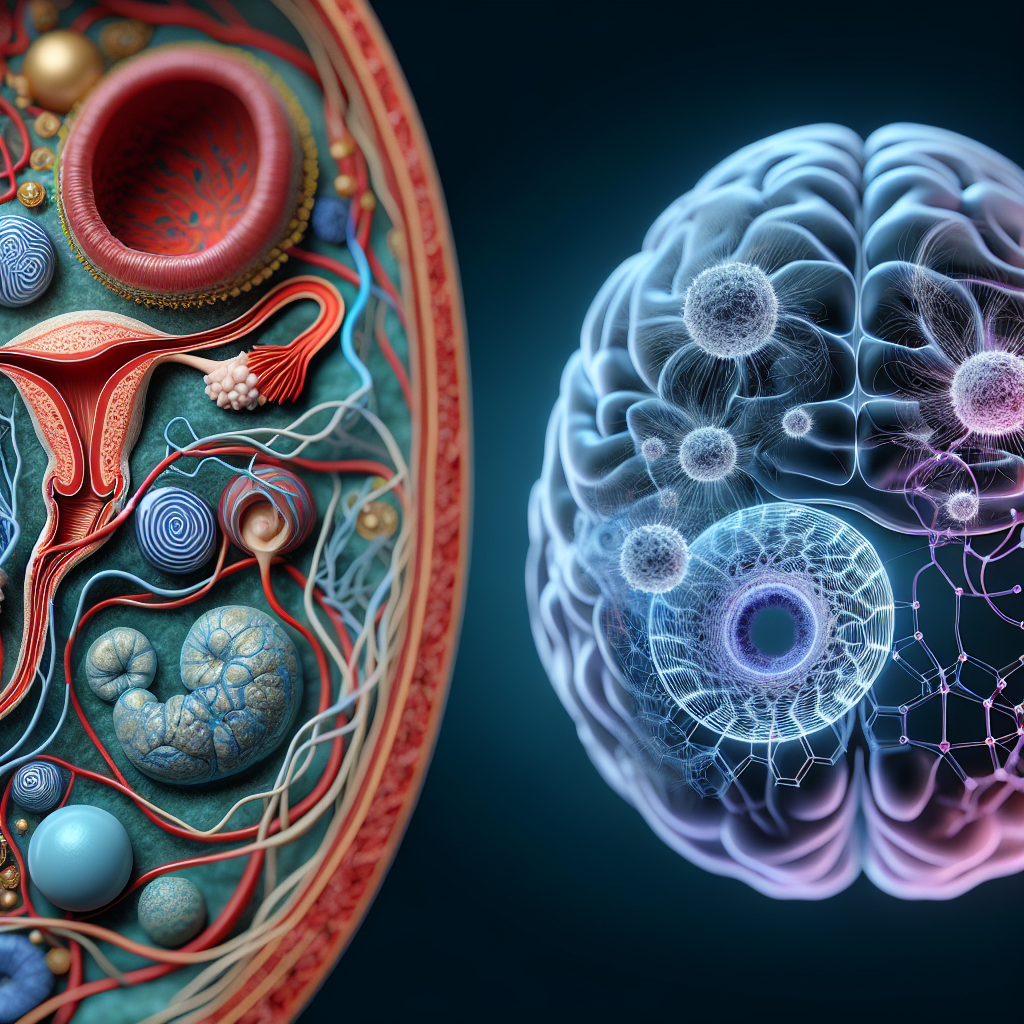
Key Takeaways
-
Menopause can lead to temporary memory lapses and changes in brain function, but these are usually not permanent.
-
Estrogen plays a crucial role in the brain, affecting cognition and mood regulation.
-
Common cognitive symptoms during menopause include forgetfulness and difficulty concentrating, but strategies exist to manage these changes.
-
Maintaining a healthy lifestyle through diet, exercise, and mental stimulation can support brain health during and after menopause.
-
Understanding the connection between menopause and long-term brain health is essential for reducing the risk of dementia and Alzheimer’s.
Menopause and the Brain: Understanding the Connection
When we talk about menopause, we often focus on the physical symptoms, but what’s happening inside the brain is just as important. As we navigate through this natural phase of life, it’s crucial to understand how our cognitive functions might be influenced. Most importantly, recognizing these changes can help us take proactive steps to maintain brain health.
The Menopause Transition: A Brief Overview
Menopause isn’t an overnight event; it’s a transition that can span several years. This phase, known as perimenopause, leads up to menopause—the point when the ovaries cease releasing eggs and menstruation stops. The average age of menopause is 51, but it can occur earlier or later. During this time, the body undergoes significant hormonal changes, particularly a decrease in estrogen, which can impact various bodily functions, including those of the brain.
Brain Function: Before, During, and After Menopause
Before menopause, estrogen helps regulate neurotransmitters that influence mood, learning, and memory. As estrogen levels fluctuate and eventually decline, some women may experience cognitive symptoms such as forgetfulness or ‘brain fog.’ However, it’s reassuring to know that for most, these symptoms are temporary. Research suggests that after menopause, many women’s cognitive abilities rebound to pre-menopausal levels.
Therefore, while the brain is indeed affected during this transition, the changes are not necessarily a cause for long-term concern. Instead, they signal a period of adaptation, and with the right approach, brain health can be maintained or even improved.
Estrogen’s Role in Cognitive Health
Estrogen is like a multi-tasking superhero for the brain. It protects neurons, promotes neural growth, and even influences the way we process information. During menopause, as estrogen levels decline, the brain’s structure and connectivity may change, affecting cognitive functions. But the story doesn’t end there. The brain is adaptable, and lifestyle choices can help support cognitive health during this time.
Hormones and Memory: What Changes?
Memory lapses during menopause are often one of the most talked-about cognitive symptoms. These can range from forgetting where you left your keys to struggling to recall a familiar name. It’s because estrogen influences both the consolidation and retrieval of memories. As levels of this hormone decline, so too might the sharpness of our memory.
But let’s put this into perspective. These memory lapses are typically mild and should not be confused with more serious conditions like dementia. They are a normal part of the aging process and, most importantly, they are usually temporary.
Mood Swings: The Science Behind the Emotion
Mood swings during menopause are not just a cliché; there’s real science behind them. Fluctuating levels of estrogen and progesterone can affect neurotransmitters in the brain, such as serotonin, which regulates mood. The result? You might feel like you’re on an emotional rollercoaster.
-
Stay connected with friends and family to maintain emotional support.
-
Engage in regular physical activity to boost endorphins and improve mood.
-
Consider relaxation techniques like yoga or meditation to manage stress.
By understanding these hormonal changes, you can better navigate the emotional highs and lows of menopause. And remember, it’s not just about getting through it; it’s about thriving during and beyond this life stage.
Common Cognitive Symptoms of Menopause
As we delve into menopause, it’s not uncommon to experience a few hiccups in our cognitive processes. These symptoms are diverse and may include difficulty concentrating, challenges with word retrieval, and slower processing speeds. It’s like your brain is momentarily stuck in a low gear. But why does this happen? It’s largely due to the ebb and flow of estrogen, which, as we’ve discussed, is closely tied to cognitive function.
Identifying Menopause-Related Memory Lapses
Memory lapses can be one of the most noticeable cognitive changes during menopause. You might walk into a room and forget why you’re there or have trouble recalling names you once remembered easily. It’s important to recognize these lapses for what they are: a normal part of the transition, not a sign of lasting cognitive decline. Keeping a journal or using memory aids like lists and reminders can be helpful tools to manage these temporary lapses.
Focus and Concentration: Coping with Disruptions
Another challenge you might face during menopause is maintaining focus and concentration. It can be frustrating when tasks that once came easily now require more effort. To cope with these disruptions, create a distraction-free environment when working on tasks that require deep focus. Short, regular breaks can also help reset your concentration and improve productivity.
Strategies for Managing Cognitive Changes
While these cognitive changes can be disconcerting, there are effective strategies to manage them. Firstly, prioritize sleep, as it’s essential for cognitive function. Establish a regular sleep schedule and create a relaxing bedtime routine. Secondly, engage in brain-stimulating activities like puzzles, learning a new language, or playing a musical instrument to keep your mind sharp. Lastly, don’t underestimate the power of regular exercise; it boosts blood flow to the brain and improves cognitive health.
Healthy Habits for Brain Health
Adopting healthy habits is key to managing menopause-related cognitive changes. A balanced diet rich in omega-3 fatty acids, antioxidants, and vitamins can support brain health. Staying socially active and maintaining strong relationships can also provide cognitive benefits. Additionally, managing stress through mindfulness or meditation can help preserve your mental acuity.
When to Consider Medical Interventions
While lifestyle changes are the first line of defense, medical interventions may also be beneficial for some women. Hormone Replacement Therapy (HRT) can alleviate some cognitive symptoms by stabilizing hormone levels. However, it’s not suitable for everyone, and the decision to use HRT should be made in consultation with a healthcare provider. If cognitive symptoms are significantly impacting your daily life, it’s important to seek professional advice.
Long-term Effects: Menopause and Brain Aging
Looking beyond the immediate symptoms of menopause, there’s the question of long-term brain health. While menopause itself is not a risk factor for dementia, it’s a time when it’s particularly important to adopt brain-healthy habits. These habits can build cognitive reserves that help protect against future decline and contribute to a resilient brain.
Understanding the Risk of Dementia and Alzheimer’s
It’s worth noting that women are at a higher risk for Alzheimer’s disease than men, and researchers are exploring how hormonal changes during menopause may play a role. While there is no guaranteed way to prevent Alzheimer’s, maintaining a healthy lifestyle, managing chronic conditions, and staying mentally active can help reduce the risk.
Can Cognitive Decline be Prevented?
Preventing cognitive decline is about playing the long game. It involves making choices that support brain health throughout your life. Regular physical activity, a diet rich in fruits, vegetables, and lean proteins, along with mental and social engagement, can create a strong foundation for brain health. Additionally, managing risk factors like high blood pressure and diabetes is crucial. While we can’t control everything, we can certainly influence our brain’s aging process through our lifestyle choices.
FAQ
Are memory lapses during menopause permanent?
Let’s clear the air: memory lapses during menopause are usually not permanent. They’re often just a temporary side effect of hormonal changes. Think of them as your brain’s way of saying it’s adjusting to a new normal. With time, these lapses typically fade away, and many women find their memory returns to its pre-menopausal sharpness. So, there’s no need to worry that a few forgotten items or names signal a lasting problem.
How does hormone replacement therapy affect the brain during menopause?
Hormone Replacement Therapy (HRT) can be a game-changer for some women during menopause. By replenishing estrogen levels, HRT may help smooth out those cognitive bumps, improving memory and focus for many. But it’s not a one-size-fits-all solution. It’s essential to talk with your healthcare provider about the benefits and risks, especially since HRT isn’t suitable for everyone. Together, you can decide if it’s the right path for your brain health journey.
What lifestyle changes can improve brain health during menopause?
Empower your brain during menopause with these lifestyle changes:
-
Nourish your neurons: A balanced diet rich in fruits, vegetables, and omega-3s feeds your brain the nutrients it needs.
-
Get moving: Regular exercise pumps up blood flow to the brain and keeps your memory sharp.
-
Stay social: Connecting with friends and family bolsters your emotional and cognitive health.
-
Keep learning: Challenge your brain with puzzles, new hobbies, or learning opportunities to keep it engaged.
-
Rest up: Quality sleep is crucial for memory consolidation and overall brain function.
Can diet and exercise reduce the risk of Alzheimer’s after menopause?
A healthy diet and regular exercise are like a dynamic duo for your brain. They work together to reduce inflammation, improve blood flow, and build cognitive reserves that can protect against Alzheimer’s. While there’s no surefire way to prevent the disease, a lifestyle that includes heart-healthy eating and physical activity is a powerful strategy to lower your risk and support overall brain health as you age.
How long do the effects of menopause on the brain last?
Most women experience cognitive changes during menopause for a short period. Think of it as your brain recalibrating itself—it might take a bit of time, but it’s usually temporary. After the menopause transition, many women’s cognitive functions stabilize or return to their pre-menopausal levels. So while the timeline can vary, rest assured that these brain changes are often just a brief chapter in your life’s story.
Remember, menopause is a natural part of life, not a medical condition to be cured. It’s a time of change, certainly, but with the right knowledge and tools, you can continue to feel sharp, focused, and empowered. By understanding how menopause can affect the brain and taking steps to support your cognitive health, you’re setting the stage for a vibrant and mentally active future. Embrace this transition with confidence and take control of your brain health—it’s one of the most powerful things you can do for yourself during menopause and beyond.
Stanley Lang, M.D. has been in active medical practice since 1978. He has been a family physician during these years with detailed experience in all age groups including delivering babies for several years. He has been a pioneer in developing models of wholistic health care that bring health to the whole person. He has particularly focussed on reversing Chronic Stress effects on the body. He is the creator of the Shalom Method for Wholistic Health, and he has created several online programs that allow patients to naturally self manage their problems including “The Natural Lyme disease Treatment Program”, the “Menopause Balancing Program”, “The Happy Healthy Child” program plus many others.