-
Menopause can trigger anxiety due to hormonal changes.
-
Regular exercise and other stress reduction activities are key in managing menopause-induced anxiety.
-
A balanced diet rich in phytoestrogens and adaptogens can help alleviate symptoms.
-
Creating a restful sleep environment is crucial for mental well-being.
-
Building a strong support network and considering professional counseling can provide significant relief.
Understanding Menopause-Induced Anxiety
Menopause is a significant life transition that can bring about not only physical changes but also emotional upheaval. Anxiety during this phase is common, and it’s not just ‘in your head.’ It’s a real challenge that deserves attention and care.
What Triggers Anxiety During Menopause?
It’s like a switch has been flipped. One moment you’re fine, and the next, you’re overwhelmed with worry. Why does this happen? Well, during menopause, your estrogen and progesterone levels fluctuate wildly, and since estrogen and progesterone helps regulate mood and stress, these fluctuations can lead to feelings of anxiety.
Exploring the Hormonal Roller Coaster
Picture a roller coaster – that’s your hormone levels during menopause. Estrogen and progesterone, the hormones in charge of your menstrual cycle, start to decline. This isn’t a gentle slope but more like a series of unpredictable drops and climbs which can send your mood on a similar ride.
The Mind-Body Connection: Stress and Anxiety
Stress isn’t just a mental state; it affects your body too. Chronic stress can lead to a host of health issues, including increased anxiety. During menopause, your body’s response to stress can be more pronounced, making it essential to find effective coping strategies.
Lifestyle Tweaks to Alleviate Anxiety
Lifestyle changes can make a world of difference when it comes to managing menopause-induced anxiety. Simple adjustments to your daily routine can help keep anxiety at bay.
Incorporating Exercise Into Your Routine
Exercise is a powerhouse when it comes to reducing anxiety. It releases endorphins, those feel-good hormones that act like natural painkillers and mood elevators. Aim for at least 30 minutes of moderate exercise most days of the week. Whether it’s a brisk walk, a dance class, or a swim, find an activity you enjoy and make it a part of your life. For those going through menopause, exercise can be especially beneficial. Learn more about natural remedies for menopausal anxiety & depression.
Other Focussed Mental Activity: Chi Gong and Prayer
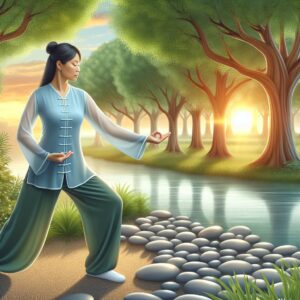
Being focussed on the genuine needs of others can anchor you in the present moment and provide a sense of calm. Chi Gong combines physical postures with breathing techniques that can help reduce anxiety. Prayer, even just a few minutes a day, can quiet the mind and ease stress. If the prayer is other focussed as ideally it should be, it brings blessings to others.
Remember, it’s about consistency, not perfection. The goal is to build a habit that supports your mental well-being.
Navigating Diet and Nutrition for Balance
What you eat can impact how you feel. During menopause, it’s important to focus on a balanced diet that supports hormonal health. Foods rich in omega-3 fatty acids, like salmon and flaxseeds, can be beneficial. Also, consider incorporating foods high in phytoestrogens, such as soy and tofu, which can mimic the effects of estrogen in the body.
Stay hydrated and limit caffeine and alcohol, as they can exacerbate anxiety. And don’t forget to include plenty of fruits, vegetables, and natural range fed animal protein to keep your energy levels stable during menopause. Eggs are the superfood in this department.
Adaptogens: Nature’s Stress-Reducers
Adaptogens are a unique group of herbal ingredients used to improve the health of your adrenal system, the system that’s in charge of managing your body’s hormonal response to stress. They’re called adaptogens because of their ability to ‘adapt’ their function according to your body’s specific needs. Some well-known adaptogens include ashwagandha, rhodiola, and holy basil.
Sleep Strategies for a Calm Mind
Good sleep is like gold during menopause. It’s restorative, healing, and crucial for managing anxiety. But when hot flashes and night sweats join the party, getting a good night’s sleep can feel like an impossible dream. Here’s how you can turn the tide and get the rest you deserve.
Creating a Restful Environment
Your bedroom should be a sanctuary for sleep. Keep it cool, dark, and quiet. Invest in comfortable bedding and consider using a fan or white noise machine to drown out disruptive sounds. A cooling mattress pad can also be a game-changer for those hot flashes.
Relaxation Techniques Before Bed
Develop a pre-sleep routine to signal your body it’s time to wind down. This could include:
-
A warm bath with Epsom salts to relax muscles and lower body temperature.
-
Reading a book under soft lighting to calm your mind.
-
Gentle stretching to release physical tension.
Avoid screens at least an hour before bed, as the blue light can disrupt your natural sleep cycle.
Understanding Sleep Cycles and Menopause
Menopause can mess with your sleep cycle. The drop in estrogen can lead to lighter sleep and more awakenings throughout the night. To combat this, try to stick to a regular sleep schedule. Going to bed and waking up at the same time each day can help regulate your body clock and improve your sleep over time.
And remember, napping can be tempting if you’re tired from a poor night’s sleep, but try to keep naps short and early in the afternoon so they don’t interfere with your nighttime sleep.
Social Support Networks and Anxiety
It’s not just about the physical changes; menopause can feel isolating, which can feed into anxiety. That’s why it’s vital to lean into your social networks during this time.
Whether it’s family, friends, or a support group, being able to share your experiences and feelings with others who understand can be incredibly reassuring and help reduce feelings of anxiety.
Leveraging Community for Emotional Health
Community can come in many forms. It could be a local menopause support group, an online forum, or even a yoga class. The key is to connect with others who provide a listening ear, share their own stories, and offer advice and comfort.
Building Strong Relationships for Support
Strong relationships are the bedrock of emotional health. Take the time to nurture your connections with friends and family. Be open about what you’re going through and don’t be afraid to ask for help or just a bit of company when you need it.
Most importantly, be there for others too. Sometimes offering support can be just as beneficial as receiving it.
Biofeedback and Anxiety Management
Biofeedback is a technique that teaches you how to control bodily processes that are typically involuntary, like heart rate and muscle tension. With the help of a biofeedback therapist, you can learn to recognize your body’s anxiety response and use relaxation techniques to control it.
Basics of Biofeedback
During a biofeedback session, you’re connected to electrical sensors that help you receive information about your body. This feedback helps you focus on making subtle changes in your body, such as relaxing certain muscles, to achieve the results you want, like reducing anxiety.
Utilizing Technology for Stress Relief
Technology can be a powerful tool in managing anxiety. There are various apps and devices designed to help you practice relaxation techniques, track your mood and anxiety levels, and even guide you through meditation sessions.
Using natural remedies for menopausal anxiety can help you stay on top of your stress levels and take action when you notice them rising.
Acupuncture for Hormonal Balance
Acupuncture, an ancient practice rooted in Chinese medicine, is often turned to for menopause symptom relief. By stimulating specific points on the body, acupuncture can help regulate the flow of energy, or Qi, and bring balance to the body’s systems. It’s thought that acupuncture can influence hormone levels, reduce hot flashes, and, yes, even help with anxiety.
Principles of Traditional Chinese Medicine
Traditional Chinese Medicine (TCM) operates on the belief that health is achieved through balance and harmony within the body. It sees menopause not as a disorder but as a natural transition. TCM practitioners use a variety of techniques, including acupuncture, herbal remedies, and diet adjustments, to help manage symptoms by restoring balance.
For example, a TCM practitioner might recommend a diet that supports the Yin, or cooling energy, in the body, which is believed to be diminished during menopause.
Combining Western and Eastern Approaches
There’s no need to choose between Western and Eastern medicine. In fact, combining the two can often lead to the best outcomes. While Western medicine can provide hormone therapy and other treatments, TCM can offer a holistic approach that addresses not just the symptoms but the overall well-being of the individual.
For instance, you might use hormone replacement therapy to manage hot flashes while also practicing yoga and meditation to address the emotional and spiritual aspects of menopause.
Key Takeaways
-
Menopause can lead to hormonal imbalances that often cause anxiety, but natural solutions exist.
-
Regular exercise, such as walking, releases endorphins that help improve mood.
-
A balanced diet with phytoestrogens and adaptogens can support hormonal health.
-
Creating a restful sleep environment and routine promotes better sleep, reducing anxiety.
-
Strong social support networks and professional counseling can be invaluable resources.
Frequently Asked Questions (FAQ)
Many women have questions about natural solutions for menopause anxiety. Here are some answers to the most common queries.
What Are Safe Herbal Remedies for Menopause Anxiety?
Some safe herbal remedies include St. John’s Wort, black cohosh, and valerian root. Others are Kava, Ginsing and Rhodiola.
How Much Exercise is Beneficial for Menopause Anxiety Relief?
Most experts recommend at least 150 minutes of moderate aerobic activity or 75 minutes of vigorous aerobic activity a week, plus muscle-strengthening activities on two or more days a week for overall health. Even short bouts of exercise can make a difference in managing anxiety.
Can Diet Really Impact Menopause Anxiety Levels?
Absolutely. A diet rich in fruits, vegetables, range fed animal proteins, and healthy fats can help stabilize blood sugar levels and mood. Additionally, foods high in omega-3 fatty acids, like salmon and walnuts, can have a positive effect on brain health and anxiety.
-
Limit caffeine and alcohol intake, as they can exacerbate anxiety.
-
Include foods rich in calcium and vitamin D to support bone health.
-
Stay hydrated by drinking plenty of water throughout the day.
Are There Any Side Effects to Natural Anxiety Relievers?
While natural remedies are generally safe, they can have side effects and interact with other medications. For instance, St. John’s Wort can interfere with the effectiveness of birth control pills and certain antidepressants. If you’re going to use that herb, check with your doctor for interactions with your medications.
“It’s not just about finding a remedy; it’s about finding the right balance for your body. What works for one woman may not work for another. It’s a journey of understanding and listening to your body’s needs.” – Anonymous