
-
Menopause is a natural biological process, not a disease or disorder.
-
Symptoms can vary but may include hot flashes, emotional changes, and physical shifts.
-
Adopting a positive perspective can transform the menopause experience into a period of empowerment.
-
Healthy lifestyle choices can mitigate symptoms and improve quality of life during menopause.
-
Open conversations and education about menopause can foster a society that respects and supports women’s health.
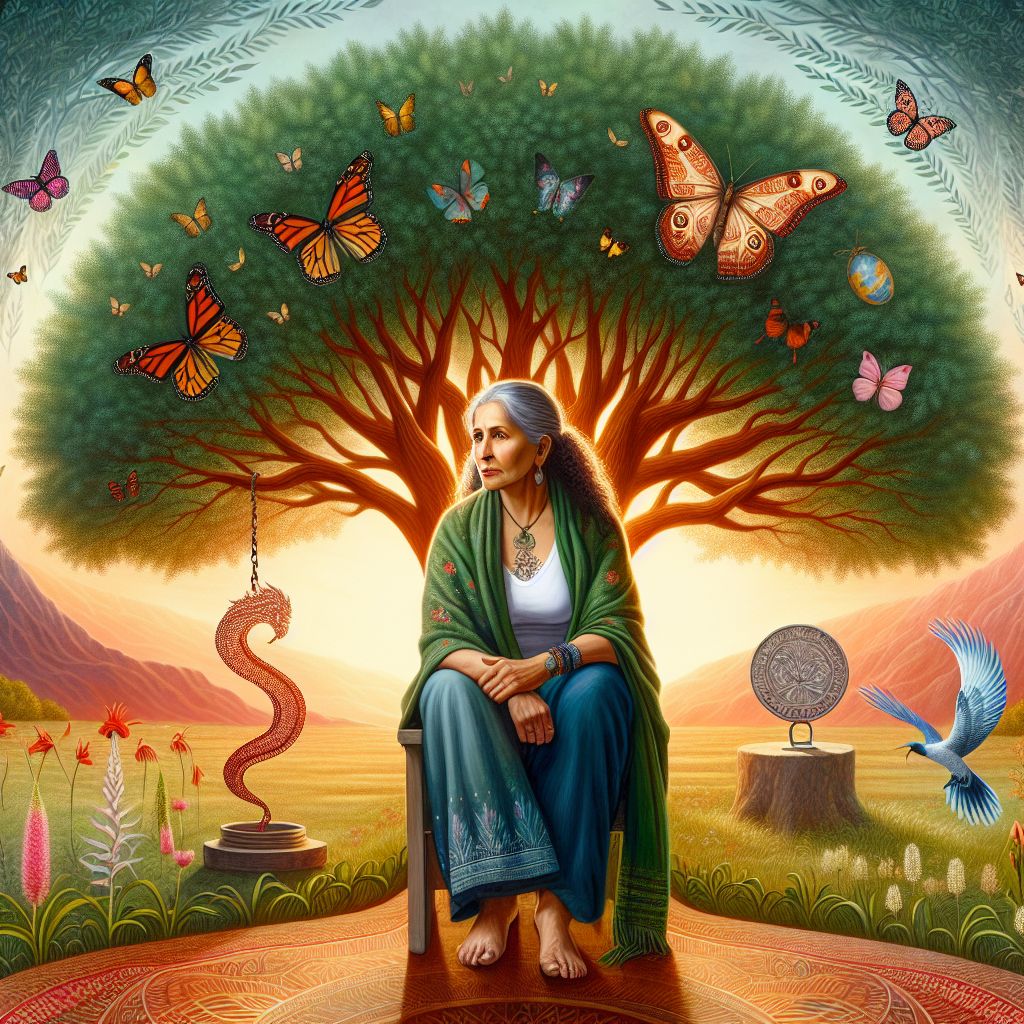
Menopause: A Time of Maturity
When we talk about menopause, we’re discussing a milestone—a natural and significant change in a woman’s life. It’s time we start treating it as such, with the dignity and respect it deserves. Menopause isn’t just about the end of menstruation; it’s the beginning of a new era of wisdom, experience, and growth.
Understanding the Natural Transition
Menopause marks the end of menstrual cycles. It’s a part of life that usually happens between the ages of 45 and 55 but can occur earlier or later. It’s a transition that spans years, where a woman’s body adjusts to decreasing levels of estrogen and progesterone. This phase, known as perimenopause, leads up to menopause—the point when it’s been 12 months since the last menstrual period.
The Wisdom of Aging
With menopause comes a liberation from the monthly cycles that have likely been a significant part of your life for decades. It’s a time that many women find themselves reassessing their lives, their goals, and their health. There’s wisdom to be found in this stage of life, a wisdom born of experience and change.
Reframing Menopause Positively
Menopause has often been portrayed negatively, associated with aging and loss of fertility. But let’s flip the script. Menopause can be a period of empowerment, an opportunity to prioritize self-care and embrace the changes. By understanding and preparing for the symptoms, women can navigate menopause with confidence and positivity.
The Changes That Happen in a Woman
Physical Alterations During Menopause
Physical changes are perhaps the most discussed aspect of menopause. Hormonal fluctuations can lead to hot flashes, night sweats, and changes in sleep patterns. Some women may experience weight gain or changes in hair texture. It’s essential to recognize that these changes are a normal part of the transition and to approach them with a sense of self-compassion.
Emotional and Cognitive Shifts
Menopause can also affect your emotional and cognitive well-being. Some women report mood swings, irritability, or feelings of sadness. Others might notice slight lapses in memory or concentration. It’s important to note that these experiences are common and there are strategies to help manage them.
Most importantly, fostering a supportive network and finding ways to reduce stress can be incredibly beneficial. Regular exercise, healthy eating, and quality sleep all play crucial roles in maintaining emotional balance and cognitive function.
Hormonal Changes and Their Effects
The decline in estrogen levels associated with menopause can have wide-ranging effects on your body. Estrogen influences everything from skin elasticity to bone density, so its decrease can lead to noticeable changes. However, with awareness and proactive health measures, you can maintain a vibrant and healthy life during and after this transition.
Because knowledge is power, understanding these hormonal shifts is the first step to taking control of your menopause journey. By being well-informed, you can make choices that align with your body’s needs and your personal values.
For example, let’s talk about hot flashes, a common symptom that many women experience. While they can be uncomfortable, they’re a sign that your body is adapting to a new normal. By dressing in layers, keeping your environment cool, and exploring relaxation techniques like deep breathing or yoga, you can manage these moments more effectively.
Consider the story of Maria, who at the age of 48, began to experience hot flashes and disrupted sleep. Instead of letting it diminish her spirit, she took it as a cue to prioritize her health. She started yoga and made dietary changes, which not only helped her symptoms but also improved her overall vitality.
Just as Maria did, it’s essential to consult with healthcare providers who understand and empathize with the menopause transition. They can offer guidance on symptom management and help you make informed decisions about hormone replacement therapy, supplements, and other treatment options.
Emotional and Cognitive Shifts
During menopause, some women may feel like they’re on an emotional roller coaster. It’s not just you – hormonal changes can contribute to these feelings. To help smooth out the ride, focus on activities that bring joy and relaxation. Connecting with friends, pursuing hobbies, or simply taking time for self-reflection can make a significant difference.
Moreover, consider cognitive exercises like puzzles, reading, or learning a new skill to keep your mind sharp. These activities not only provide a sense of accomplishment but also help maintain cognitive function.
Hormonal Changes and Their Effects
Hormonal changes during menopause can feel like a mystery, but understanding them can demystify the process. Estrogen and progesterone levels drop, which can impact your bones, heart, and even your mood. To counter these effects, a diet rich in calcium and vitamin D, regular weight-bearing exercise, and monitoring heart health are key strategies.
Because each woman’s experience is unique, staying attuned to your body’s signals and seeking personalized advice from healthcare professionals is vital. They can provide tailored recommendations that align with your health history and lifestyle preferences.
The Open Door to Deeper Wisdom
Menopause is more than a series of physical changes – it’s a gateway to deeper wisdom and understanding of your body. As you transition, you gain insights into what works for you, what doesn’t, and where your priorities lie. This knowledge is a powerful tool for living your best life.
Life Lessons and Menopause
Through menopause, life teaches us about resilience and adaptability. It shows us that change is a constant and that our reactions to change define our experiences. Embrace this time as an opportunity to grow and learn about yourself in new ways.
Remember that menopause is a shared experience among women. Sharing stories and advice with others can create a sense of community and provide mutual support. Together, you can navigate this journey with grace and camaraderie.
Menopause as a Second Spring
Think of menopause not as an ending but as a beginning – a second spring. It’s a time when many women rediscover themselves and pursue new interests. With the wisdom gained from years of experience, this can be one of the most fulfilling times in your life.
Embracing Change for Personal Growth
Embracing the changes that come with menopause can lead to personal growth and development. By adopting a positive outlook, you can turn challenges into opportunities for self-improvement and discovery. Whether it’s taking up a new hobby, traveling, or focusing on wellness, menopause can be a catalyst for a vibrant and enriching chapter of your life.
Finally, remember that menopause is a natural part of life, one that every woman experiences. By embracing it with dignity and grace, you can make this transition a time of empowerment and joy. Your journey through menopause is unique, and with the right perspective and support, it can be a period of incredible transformation and renewed purpose.
Key Takeaways
-
Menopause is a natural biological process, not a disease or disorder.
-
Symptoms can vary but may include hot flashes, emotional changes, and physical shifts.
-
Adopting a positive perspective can transform the menopause experience into a period of empowerment.
-
Healthy lifestyle choices can mitigate symptoms and improve quality of life during menopause.
-
Open conversations and education about menopause can foster a society that respects and supports women’s health.
Menopause: A Time of Maturity
When we talk about menopause, we’re discussing a milestone—a natural and significant change in a woman’s life. It’s time we start treating it as such, with the dignity and respect it deserves. Menopause isn’t just about the end of menstruation; it’s the beginning of a new era of wisdom, experience, and growth.
Understanding the Natural Transition
Menopause marks the end of menstrual cycles. It’s a part of life that usually happens between the ages of 45 and 55 but can occur earlier or later. It’s a transition that spans years, where a woman’s body adjusts to decreasing levels of estrogen and progesterone. This phase, known as perimenopause, leads up to menopause—the point when it’s been 12 months since the last menstrual period.
The Wisdom of Aging
With menopause comes a liberation from the monthly cycles that have likely been a significant part of your life for decades. It’s a time that many women find themselves reassessing their lives, their goals, and their health. There’s wisdom to be found in this stage of life, a wisdom born of experience and change.
Reframing Menopause Positively
Menopause has often been portrayed negatively, associated with aging and loss of fertility. But let’s flip the script. Menopause can be a period of empowerment, an opportunity to prioritize self-care and embrace the changes. By understanding and preparing for the symptoms, women can navigate menopause with confidence and positivity.
The Changes That Happen in a Woman
Physical Alterations During Menopause
Physical changes are perhaps the most discussed aspect of menopause. Hormonal fluctuations can lead to hot flashes, night sweats, and changes in sleep patterns. Some women may experience weight gain or changes in hair texture. It’s essential to recognize that these changes are a normal part of the transition and to approach them with a sense of self-compassion.
Emotional and Cognitive Shifts
Menopause can also affect your emotional and cognitive well-being. Some women report mood swings, irritability, or feelings of sadness. Others might notice slight lapses in memory or concentration. It’s important to note that these experiences are common and there are strategies to help manage them.
Most importantly, fostering a supportive network and finding ways to reduce stress can be incredibly beneficial. Regular exercise, healthy eating, and quality sleep all play crucial roles in maintaining emotional balance and cognitive function.
Hormonal Changes and Their Effects
The decline in estrogen levels associated with menopause can have wide-ranging effects on your body. Estrogen influences everything from skin elasticity to bone density, so its decrease can lead to noticeable changes. However, with awareness and proactive health measures, you can maintain a vibrant and healthy life during and after this transition.
Because knowledge is power, understanding these hormonal shifts is the first step to taking control of your menopause journey. By being well-informed, you can make choices that align with your body’s needs and your personal values.
For example, let’s talk about hot flashes, a common symptom that many women experience. While they can be uncomfortable, they’re a sign that your body is adapting to a new normal. By dressing in layers, keeping your environment cool, and exploring relaxation techniques like deep breathing or yoga, you can manage these moments more effectively.
Consider the story of Maria, who at the age of 48, began to experience hot flashes and disrupted sleep. Instead of letting it diminish her spirit, she took it as a cue to prioritize her health. She started yoga and made dietary changes, which not only helped her symptoms but also improved her overall vitality.
Just as Maria did, it’s essential to consult with healthcare providers who understand and empathize with the menopause transition. They can offer guidance on symptom management and help you make informed decisions about hormone replacement therapy, supplements, and other treatment options.
Emotional and Cognitive Shifts
During menopause, some women may feel like they’re on an emotional roller coaster. It’s not just you – hormonal changes can contribute to these feelings. To help smooth out the ride, focus on activities that bring joy and relaxation. Connecting with friends, pursuing hobbies, or simply taking time for self-reflection can make a significant difference.
Moreover, consider cognitive exercises like puzzles, reading, or learning a new skill to keep your mind sharp. These activities not only provide a sense of accomplishment but also help maintain cognitive function.
Hormonal Changes and Their Effects
Hormonal changes during menopause can feel like a mystery, but understanding them can demystify the process. Estrogen and progesterone levels drop, which can impact your bones, heart, and even your mood. To counter these effects, a diet rich in calcium and vitamin D, regular weight-bearing exercise, and monitoring heart health are key strategies.
Because each woman’s experience is unique, staying attuned to your body’s signals and seeking personalized advice from healthcare professionals is vital. They can provide tailored recommendations that align with your health history and lifestyle preferences.
The Open Door to Deeper Wisdom
Menopause is more than a series of physical changes – it’s a gateway to deeper wisdom and understanding of your body. As you transition, you gain insights into what works for you, what doesn’t, and where your priorities lie. This knowledge is a powerful tool for living your best life.
Life Lessons and Menopause
Through menopause, life teaches us about resilience and adaptability. It shows us that change is a constant and that our reactions to change define our experiences. Embrace this time as an opportunity to grow and learn about yourself in new ways.
Remember that menopause is a shared experience among women. Sharing stories and advice with others can create a sense of community and provide mutual support. Together, you can navigate this journey with grace and camaraderie.
Menopause as a Second Spring
Think of menopause not as an ending but as a beginning – a second spring. It’s a time when many women rediscover themselves and pursue new interests. With the wisdom gained from years of experience, this can be one of the most fulfilling times in your life.
Embracing Change for Personal Growth
Embracing the changes that come with menopause can lead to personal growth and development. By adopting a positive outlook, you can turn challenges into opportunities for self-improvement and discovery. Whether it’s taking up a new hobby, traveling, or focusing on wellness, menopause can be a catalyst for a vibrant and enriching chapter of your life.
Finally, remember that menopause is a natural part of life, one that every woman experiences. By embracing it with dignity and grace, you can make this transition a time of empowerment and joy. Your journey through menopause is unique, and with the right perspective and support, it can be a period of incredible transformation and renewed purpose.