
When you’re navigating the choppy waters of menopause, fatigue can feel like a constant, uninvited companion. But, let’s toss that unwanted guest overboard with some empowering strategies. You’re not alone on this journey, and there are effective ways to regain your energy and vitality.
Key Takeaways
-
Progesterone plays a vital role in maintaining energy levels, and a deficiency can lead to fatigue.
-
Nutrient deficiencies, particularly in B vitamins, vitamin D, vitamin K2, iron, and magnesium, can exacerbate menopause fatigue.
-
Regular exercise boosts energy and improves sleep quality, which is often disrupted during menopause.
-
Managing stress is crucial for maintaining energy levels, as stress can drain your body’s resources.
-
A combination of hormone therapy, lifestyle changes, and dietary adjustments can provide comprehensive relief from menopause fatigue.
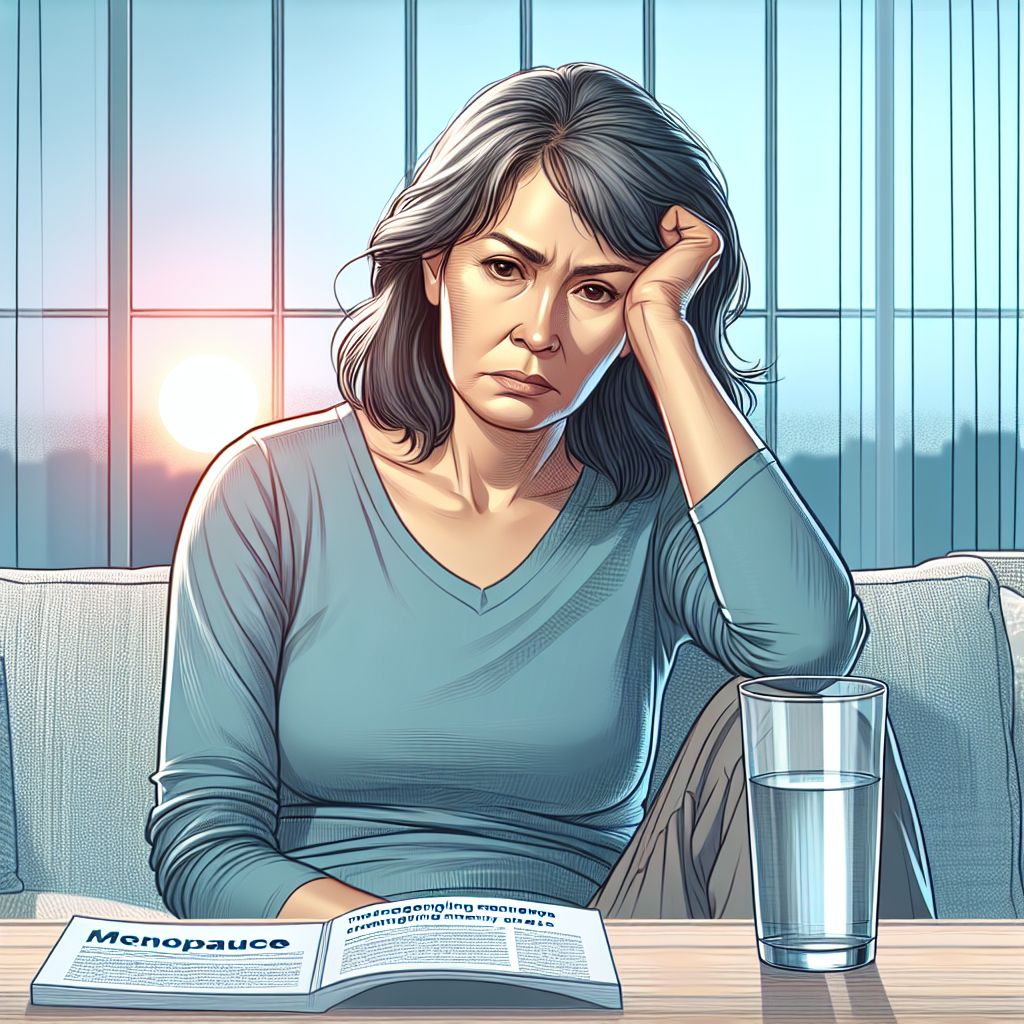
Understanding Progesterone Deficiency and Energy Decline in Menopause
One of the chief culprits behind menopause fatigue is a decrease in progesterone. This hormone is not just about reproduction; it’s a key player in sleep regulation and mood stabilization. When progesterone levels drop, so does your energy, leaving you feeling like you’re running on empty. It also causes major changes in moodiness in many women.
Role of Progesterone in the Body
Progesterone is like your body’s natural sedative. It calms the nervous system and helps prepare you for restful sleep. It also balances out estrogen, and when these two are in harmony, you feel more like yourself – energized and ready to take on the day.
Symptoms of Progesterone Deficiency
So, how do you know if you’re low on progesterone? Here are a few signs:
-
Difficulty sleeping
-
Mood swings or depression
-
Irregular periods or spotting– and if you’re in menopause then you’re very low
-
Low libido
Besides that, an overarching sense of tiredness that no amount of sleep seems to fix is a big red flag.
“Remember, feeling perpetually worn out is not a badge of honor. It’s a sign that your body needs attention and care.”
Correcting Progesterone Levels: Treatments and Benefits
Now, let’s talk solutions. Hormone replacement therapy (HRT) can be a game-changer. By replenishing your body’s progesterone, you can improve sleep quality and reduce other menopause symptoms. But, it’s not a one-size-fits-all remedy. You need to weigh the pros and cons with your healthcare provider.
There are also natural ways to boost progesterone if you are still perimenopausal, like:
-
Eating foods rich in zinc, magnesium, and B6
-
Maintaining a healthy body weight
-
Managing stress, which can deplete hormone levels
And the benefits? More energy, better sleep, and a more even-keeled mood – just to name a few.
Most importantly, this is about you feeling your best. So, let’s move forward with the next step in your health journey. The best way to replace progesterone is through a cyclic process call Cooperative Progesterone Therapy. Remember artificial progestins like Provera are not Natural Progesterone and will make matters worse.
The Importance of Physical Activity for Menopausal Women
Exercise is not just about keeping fit; it’s a powerful tool to combat menopause fatigue. When you move your body, you’re not only burning calories but also triggering the release of endorphins, your body’s feel-good hormones. These natural energy boosters can help shake off the lethargy that often accompanies menopause.
Simple Steps to Increase Daily Exercise
Starting an exercise routine can feel daunting, but it doesn’t have to be. Begin with simple steps:
-
Take a brisk walk around the block after dinner.
-
Opt for the stairs instead of the elevator.
-
Park further away from the store entrance.
These small changes can lead to big improvements in your energy levels over time.
Designing a Menopause-Friendly Workout Routine
When designing your workout, consider activities you enjoy. If you love dancing, a Zumba class might be more appealing than lifting weights. The key is consistency, so choose exercises that make you feel good and that you’ll stick with. Aim for a mix of cardiovascular activities, strength training, and flexibility exercises. And always listen to your body – if something doesn’t feel right, modify it or take a break.
Exercise is also a fantastic way to improve sleep quality, which is often disrupted during menopause. By promoting better sleep, you’re setting yourself up for more energized days.
Navigating Midlife Challenges: The Connection Between Life Stressors and Menopause Fatigue
Menopause doesn’t exist in a vacuum. It often coincides with a host of life changes – kids leaving home, aging parents, career transitions – that can all add to your stress load. This stress can sap your energy, making menopause fatigue even more pronounced.
-
Recognize the stressors in your life.
-
Identify which ones you can control and take action.
-
For those you can’t control, find ways to cope or adapt.
By managing these stressors, you can help alleviate some of the fatigue that comes with menopause.
Managing Stress to Improve Energy Levels
Stress management is crucial for keeping fatigue at bay. Techniques like deep breathing, meditation, or yoga can help calm your mind and reduce the physical effects of stress. Even setting aside a few minutes each day for quiet reflection can make a difference.
Remember, it’s not selfish to take time for self-care; it’s necessary. By reducing stress, you’re not only improving your energy levels but also your overall health.
Connecting Emotional Well-Being and Physical Health
Your emotional health is deeply connected to your physical well-being. When you’re feeling down or anxious, it can manifest as physical fatigue. It’s important to address emotional issues, whether through therapy, support groups, or talking with friends and family.
By taking care of your emotional health, you’re taking a big step toward fighting menopause fatigue.
Strategies for Coping with Midlife Transitions
Midlife transitions can be challenging, but they’re also an opportunity for growth. Here are some strategies to cope:
-
Focus on what you can control and let go of what you can’t.
-
Set new goals and pursue interests that may have been on the back burner.
-
Seek out support from others who are going through similar experiences.
Embracing these changes can lead to a renewed sense of purpose and energy.
Combining Treatments for Holistic Relief from Menopause Fatigue
Menopause fatigue is best addressed with a multi-pronged approach. Combining hormone therapy, lifestyle modifications, and dietary changes can provide a wholistic solution that tackles fatigue from all angles. A comprehensive chronic stress reduction program is a also a wholistic program attending to physical, emotional and spiritual causes of stress.
Integrating Therapies: A Comprehensive Approach
To create an integrated plan, consider the following:
-
Discuss hormone therapy options with your healthcare provider to address hormonal imbalances.
-
Incorporate regular physical activity into your routine to boost energy levels.
-
Manage stress through mindfulness practices and ensure you’re getting enough rest.
By combining these strategies, you can create a powerful defense against menopause fatigue and reclaim your vitality.
Remember, you’re the captain of your health journey. With the right knowledge and tools, you can navigate through menopause with confidence and energy.
When to Consider Professional Consultation
If you’ve tried managing menopause fatigue with lifestyle changes and over-the-counter remedies without success, it may be time to seek professional help. A healthcare provider can offer personalized advice and treatment options, including hormone replacement therapy or other medications that can alleviate symptoms.
Consult a professional if:
-
You’re feeling overwhelmed by your symptoms.
-
Fatigue is interfering with your daily life and activities.
-
You have concerns about hormone therapy or other treatments.
They can help you navigate the options and find the best course of action for your unique situation.
Lifestyle Tweaks to Support Treatment: Sleep, Mindfulness, and More
Alongside any medical treatments, making lifestyle adjustments can greatly improve menopause fatigue. Prioritize good sleep hygiene by establishing a regular bedtime routine and creating a comfortable sleep environment. Mindfulness practices, such as meditation and deep breathing exercises, can also help reduce stress and improve sleep quality.
Here are a few lifestyle tweaks to consider:
-
Set a consistent sleep schedule and stick to it, even on weekends.
-
Create a relaxing bedtime routine to signal your body it’s time to wind down.
-
Practice mindfulness or meditation to manage stress and improve sleep.
By incorporating these habits into your daily life, you can support your body’s natural rhythms and enhance your overall well-being.
FAQs
What are the signs of progesterone deficiency?
True menopause is by definition progesterone deficient but in the perimenopause you are starting to become deficient.
Signs of progesterone deficiency include:
-
Insomnia or poor sleep quality
-
Mood swings and irritability
-
Irregular menstrual cycles
-
Headaches or migraines
-
Low libido
If you’re experiencing these symptoms, it’s important to discuss them with your healthcare provider.
Which nutrients are most important for managing menopause fatigue?
Certain nutrients are key in managing menopause fatigue:
-
Vitamin B complex, especially B12 and B6, for energy production
-
Vitamin D and Vitamin K2 for bone health and immune function
-
Iron to prevent anemia, which can cause fatigue
-
Magnesium for muscle function and better sleep
Ensure your diet includes these nutrients, and consider supplements if necessary.
How much exercise do I need to combat menopause-related energy decline?
To combat menopause-related energy decline, aim for a 30 minute walk every day. Slowly increase the intensity but don’t take a vacation from your daily walk.
What can I do to handle stress and a midlife crisis during menopause?
To handle stress and a midlife crisis during menopause:
-
Focus on self-care and activities that bring you joy.
-
Establish a support network of friends, family, or support groups.
-
Consider speaking with a therapist or counselor.
These steps can help you navigate the emotional challenges of menopause.
How can I create a combined treatment plan for menopause fatigue?
“Creating a combined treatment plan for menopause fatigue involves a partnership between you and your healthcare provider. Together, you can assess your symptoms, explore treatment options, and develop a plan that addresses your needs holistically.”