
Key Takeaways
-
Combining adaptogens like Maca and Rhodiola can help manage stress hormones during menopause.
-
Maca supports hormonal balance and can alleviate menopausal symptoms such as hot flashes and mood swings.
-
Rhodiola is known for enhancing mood and fighting fatigue, which are common challenges during menopause.
-
Adaptogens work best when used consistently and in conjunction with a healthy lifestyle.
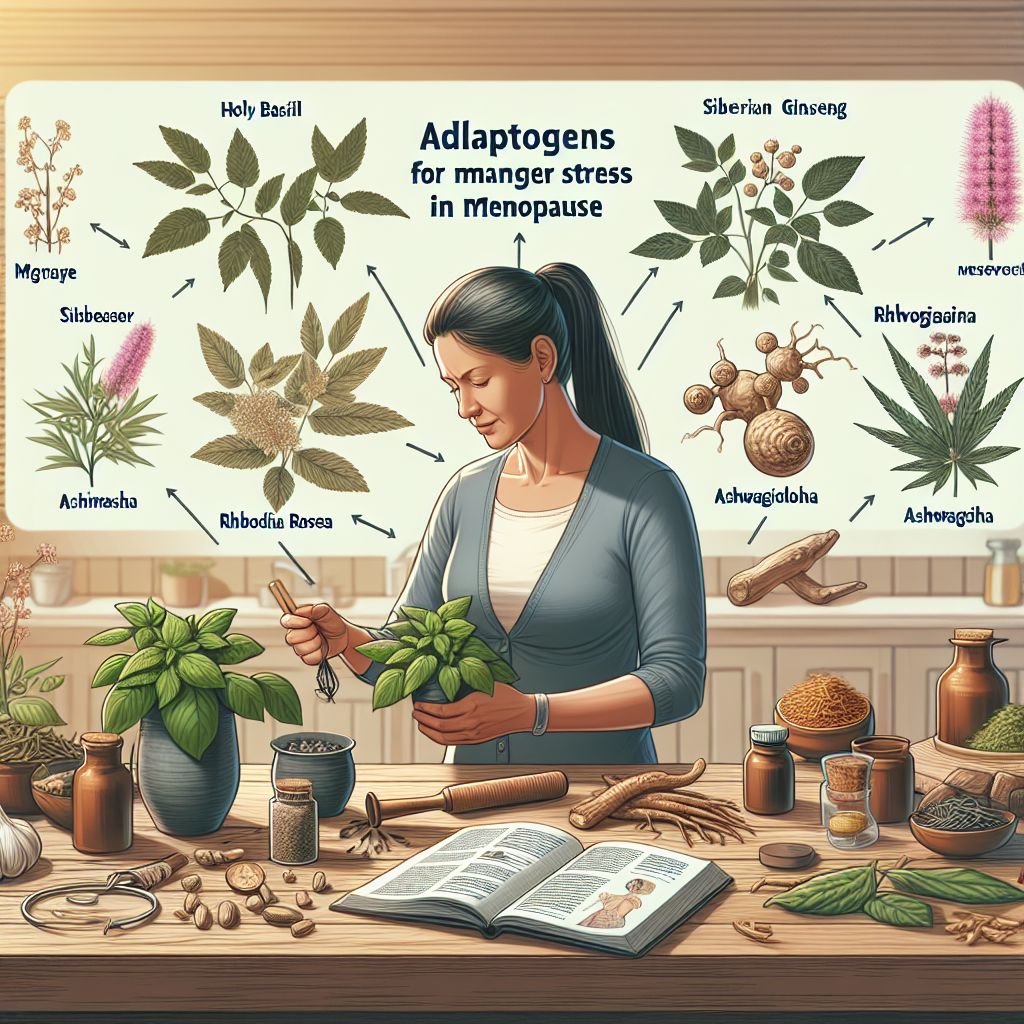
The Synergistic Power of Maca and Rhodiola
Menopause can be a challenging time, but nature has provided us with some remarkable tools to ease the journey. Adaptogens like Maca and Rhodiola have been used for centuries to support the body’s natural balance and resilience. These natural wonders are not just folklore; they are backed by science. When used together, they can create a synergistic effect that helps to lower stress levels and support overall well-being during menopause.
Defining Adaptogens and Their Role in Stress Management
Adaptogens are a unique class of herbs that help your body cope with stress. They do this by stabilizing physiological processes that have been pushed out of balance by chronic stress and promoting homeostasis—that is, balance in the hormone system. Essentially, adaptogens help your body ‘adapt’ to the stressors it encounters, whether they’re physical, chemical, or biological.
Most importantly, adaptogens work by modulating the production and distribution of stress hormones in your body. This is crucial during menopause, a time when hormonal imbalances can wreak havoc on your physical and emotional health.
Maca and Rhodiola: A Brief Overview
Maca, sometimes known as Peruvian ginseng, is a root vegetable native to the Andes Mountains. It’s renowned for its ability to enhance energy, stamina, and mood. For women in menopause, Maca can be particularly beneficial because it’s been shown to help balance hormones and reduce symptoms like hot flashes and mood swings.
Rhodiola, on the other hand, grows in cold regions of Europe and Asia. It’s often used to improve mental and physical stamina, and like Maca, it has mood-stabilizing effects. Rhodiola is especially helpful in fighting the fatigue and depression that can accompany menopause.
The Science Behind Combining Adaptogens
Science tells us that combining certain adaptogens can increase their effectiveness. Maca and Rhodiola are a perfect pair because they work together to balance stress hormones and support the nervous system. While Maca works on the endocrine system to stabilize hormones, Rhodiola strengthens the body’s stress response. Together, they can help manage the additional stress that menopause can bring.
The Stress-Reducing Benefits of Rhodiola
Now let’s take a closer look at Rhodiola, often hailed as a natural fatigue-fighter. This remarkable herb has a well-documented history of bolstering mental performance, especially under conditions of stress and fatigue. For women navigating the tumultuous waters of menopause, Rhodiola offers a beacon of support, helping to reduce the mental fog and exhaustion that can often accompany this transition. To understand more about how stress impacts women during menopause, read about post-menopause strength training and its benefits.
Investigating Rhodiola’s Adaptogenic Qualities
Rhodiola works by influencing key neurotransmitters in the brain, including serotonin and dopamine, which are critical for maintaining a positive mood and mental clarity. By supporting these neurotransmitters, Rhodiola can help counteract the emotional rollercoaster that many women experience during menopause. Its adaptogenic properties make it a valuable ally in the quest for balance and well-being.
Research on Rhodiola for Menopause and Stress
Research has shown that Rhodiola can improve symptoms of burnout, which can be quite similar to the chronic stress experienced during menopause. While more studies are needed specifically targeting menopausal women, the current evidence is promising for Rhodiola’s role in easing stress, fatigue, and depression during this phase of life.
How to Effectively Combine Maca and Rhodiola
Combining Maca and Rhodiola is not just about taking two supplements at the same time; it’s about creating a harmonious blend of their stress-busting properties. When taken together, they can complement each other to provide a more balanced approach to managing menopause-related stress. But how exactly should you go about combining these adaptogens?
The key is to start slowly, with small doses of each, and gradually increase as your body adjusts. This allows you to monitor how your body responds and ensures that you don’t overwhelm your system.
Recommended Dosages and Methods of Consumption
For Maca, a typical starting dose might be around 1,500 mg per day, which can be increased up to 3,000 mg if well-tolerated. Rhodiola dosages often range from 100 to 600 mg per day. It’s best to take these adaptogens in the morning or early afternoon, as taking them later in the day could potentially interfere with sleep.
Both Maca and Rhodiola are available in various forms, including powders, capsules, and tinctures. Powders can be mixed into smoothies or other foods, while capsules and tinctures might be more convenient for those with busy lifestyles.
Potential Interactions and Considerations for Use
There is a myth that Rhodiola can potentially affect blood pressure and blood sugar levels. It does neither and is extremely safe as long as you have a good quality source. I suggest Pure Encapsulations for Rhodiola for my patients.
Personalizing Your Menopause Support Plan
Every woman’s experience with menopause is unique, and so is her response to adaptogens like Maca and Rhodiola. Personalizing your menopause support plan means taking into account your specific symptoms, lifestyle, and health goals. This individualized approach ensures that you’re getting the most out of these natural remedies.
Besides that, it’s important to maintain a healthy diet, stay active, and manage stress through practices like yoga or meditation. Combining these lifestyle habits with adaptogens can lead to better results and a more enjoyable transition through menopause.
Integrating Adaptogens with Other Menopause Management Strategies
Adaptogens can be part of a comprehensive menopause management strategy that includes other natural remedies, hormone replacement therapy, or medications prescribed by your healthcare provider. Remember, it’s all about creating a plan that works for you and addresses your specific concerns.
Frequently Asked Questions
As a family doctor providing care to women in menopause for over four decades, I’ve encountered many questions about adaptogens. Here are some of the most common ones:
Can adaptogens like Maca and Rhodiola completely replace hormone therapy?
While adaptogens can help manage symptoms of menopause, they should not be seen as a complete replacement for hormone therapy, especially if your symptoms are severe. Hormone therapy is a medical treatment that should only be started or stopped under the guidance of your healthcare provider.
How long does it take to see the effects of combining Maca and Rhodiola?
The effects of combining Maca and Rhodiola can vary from person to person. Some may feel improvements within a few days, while for others, it may take a couple of months. Consistency is key, and it’s important to give your body time to adjust to these adaptogens.
Are there any specific times of day that are best for taking these adaptogens?
Generally, it’s best to take adaptogens like Rhodiola in the morning or early afternoon. This is because it can increase energy and taking them later in the day could potentially disrupt your sleep. Maca on the other hand can be taken any time of the day.
Can Maca and Rhodiola be grown at home for personal use?
Maca and Rhodiola require specific climates to grow. Maca thrives in the high altitudes of the Andes, while Rhodiola prefers cold, mountainous regions. Growing them at home may not be feasible unless you can replicate these conditions.
Is it necessary to take a break from adaptogens, or can they be used continuously?
Some people prefer to cycle adaptogens, taking breaks to prevent their body from becoming too accustomed to them. However, there is no one-size-fits-all answer. It’s best to consult with a healthcare provider to create a plan tailored to your needs.
In conclusion, combining adaptogens like Maca and Rhodiola can be a natural and effective way to manage stress and support overall well-being during menopause. As with any supplement, it’s important to listen to your body to ensure the best outcomes. By personalizing your approach and integrating adaptogens with a healthy lifestyle, you can navigate menopause with more ease and comfort.
Stanley Lang, M.D. has been in active medical practice since 1978. He has been a family physician during these years with detailed experience in all age groups including delivering babies for several years. He has been a pioneer in developing models of wholistic health care that bring health to the whole person. He has particularly focussed on reversing Chronic Stress effects on the body. He is the creator of the Shalom Method for Wholistic Health, and he has created several online programs that allow patients to naturally self manage their problems including “The Natural Lyme disease Treatment Program”, the “Menopause Balancing Program”, “The Happy Healthy Child” program plus many others.
The No BS Guide to Adaptogens for Hormonal Balance and Stress
Sep 9, 2022 — Using adaptogens can help manage stress in the short term, but it
The Best Adaptogens for Female Balance: Maca & Ashwagandha
May 17, 2022 — The good news is that adaptogens can help to manage stress effect…
Adaptogenic Herbs for Perimenopause and Menopause
Jul 16, 2020 — Maca or Peruvian ginseng is used to increase strength, energy, st…



Leave a Reply