
-
Rhodiola Rosea is a natural adaptogen that helps the body resist stress.
-
It has been used historically to boost endurance and mental performance.
-
Rhodiola can be a mild phytoestrogen, offering some additional benefits during menopause.
-
Dosage and form are important when incorporating Rhodiola into your routine.
-
It is well tolerated with few side effects and interactions with other medications.
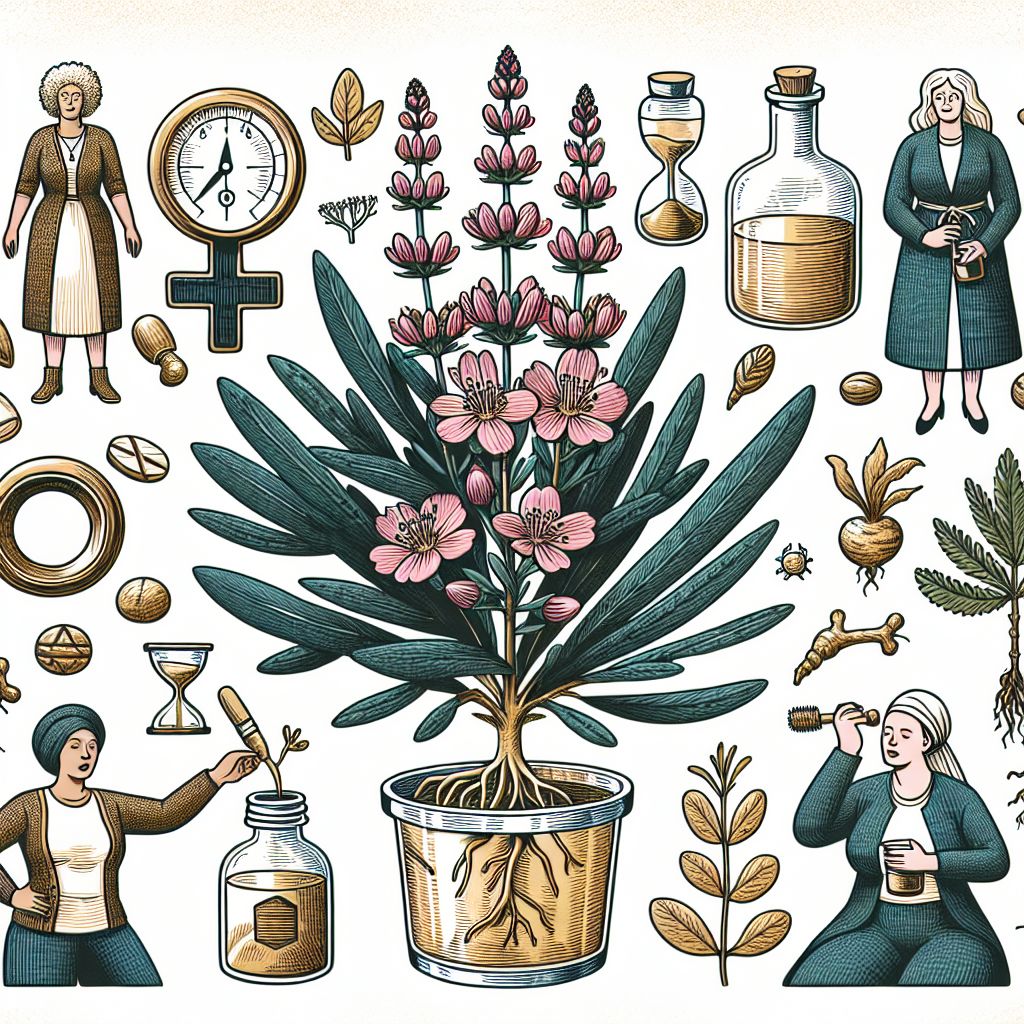
The Power of Adaptogens in Stress Management
When it comes to managing the stress that often accompanies menopause, adaptogens are a game-changer. These are special herbs that increase the body’s resistance to stress in a non-specific way. In fact we’re not exactly sure how they work. They all grew out of cultures who used them for hundreds or thousands of years to deal the the stress of living in that particular place on earth.
Understanding Adaptogens and Their Role in the Body
Adaptogens work by supporting the hypothalamic-pituitary-adrenal (HPA) axis, the central stress response system. They help modulate your body’s stress response, promoting balance and preventing the overproduction of stress hormones like cortisol. This is crucial during menopause, a time when your body’s hormonal balance is shifting.
Why Rhodiola Rosea Stands Out Among Adaptogens
Among the various adaptogens, Rhodiola Rosea, also known as roseroot or golden root, is the most studied. It thrives in cold, mountainous regions and has been traditionally used to combat fatigue and improve endurance. Its potency lies in its ability to fight both mental and physical fatigue, a common challenge during menopause.
Emotional Well-being: Rhodiola’s Impact on Stress
Menopause can be a rollercoaster of emotions. The hormonal fluctuations can lead to mood swings, anxiety, and even depression. But Rhodiola Rosea has a storied history of buffering against such emotional turmoil. Its adaptogenic properties have been a beacon of hope for many women navigating the choppy waters of menopause.
How Rhodiola Rosea Helps Alleviate Emotional Stress
What makes Rhodiola Rosea particularly effective is its ability to enhance your mood. It influences key neurotransmitters in the brain, such as serotonin and dopamine, which are often out of whack during menopause. By stabilizing these chemicals, Rhodiola can help to lift your spirits and provide a sense of calm during stressful times.
Scientific Studies Supporting Rhodiola’s Efficacy in Stress Relief
Studies have shown that Rhodiola can significantly reduce symptoms of stress, such as fatigue, exhaustion, and anxiety. For instance, a study published in ‘Phytomedicine’ found that participants taking Rhodiola extract reported a notable reduction in stress symptoms within just three days, and these improvements continued throughout the study.
“In one trial, participants taking Rhodiola extract reported a 20% reduction in stress-related symptoms compared to the placebo group.”
Physical Benefits: Rhodiola as a Phytoestrogen
Now, let’s talk about the physical aspects. During menopause, the body’s natural production of estrogen decreases, leading to a range of symptoms like hot flashes and bone density loss. Rhodiola Rosea, while a mild phytoestrogen, can offer some support here.
Phytoestrogens are plant-derived compounds that mimic some of the effects of estrogen in the body. While they are not as potent as the body’s own estrogen or hormone replacement therapy, they can still provide relief for some menopausal symptoms.
The Role of Phytoestrogens in Menopause Relief
Phytoestrogens, like those found in Rhodiola, can bind to estrogen receptors in the body. This can help modulate the body’s response to the decreased estrogen levels seen in menopause. By doing so, Rhodiola may help alleviate some of the common symptoms, such as mood swings and hot flashes.
Comparing Rhodiola with Other Phytoestrogens
Rhodiola isn’t the only phytoestrogen out there. There are others, like soy and flaxseed, which are more commonly associated with menopause relief. However, Rhodiola has the added benefit of being an adaptogen, which means it helps your body deal with stress more effectively during menopause.
When comparing Rhodiola to other phytoestrogens, consider the following: it is mainly as an adaptogen, not as a phytoestrogen that it will help with menopause. The Russians pioneered the use of Rhodiola in their space program in the 1960’s. They were obviously not interested in the very mild phytoestrogen effect.
Cognitive Advantages: Rhodiola’s Effect on Mental Performance
Besides its physical benefits, Rhodiola Rosea can be a mental powerhouse. Menopause can cloud the mind, making it difficult to concentrate and remember things. But Rhodiola has been shown to help clear the fog.
Improvements in Memory and Concentration with Rhodiola Use
Using Rhodiola can lead to improvements in both memory and concentration. This is particularly valuable during menopause when cognitive functions can take a hit due to hormonal changes. By supporting neurotransmitter balance and reducing stress, Rhodiola can help keep your mind sharp.
“Women who supplemented with Rhodiola noted improved concentration and less mental fatigue, making it easier to focus on daily tasks.”
Therefore, Rhodiola Rosea isn’t just about managing stress; it’s about enhancing your overall quality of life during menopause. With its combination of emotional, physical, and cognitive benefits, it stands out as a natural ally in the journey through menopause.
Adapting to Menopause: How to Incorporate Rhodiola into Your Regimen
As we transition into the topic of incorporating Rhodiola Rosea into your daily routine, it’s helpful to understand that each person’s journey through menopause is unique. Your approach to including Rhodiola in your regimen should be tailored to your specific needs and symptoms. That being said, there are some general guidelines that can help you get started.
First and foremost, it’s crucial to source your Rhodiola from reputable suppliers. The quality of herbal supplements can vary widely, and since Rhodiola is not regulated by the FDA, it’s important to choose products that have been third-party tested for purity and potency. I generally recommend the company Pure Encapsulations for this herb.
Recommended Dosages and Forms of Rhodiola
The right dosage of Rhodiola can vary, but most clinical studies have used doses ranging from 200 to 600 mg per day. It’s often recommended to start with a lower dose to assess your body’s response and then gradually increase as needed. Most importantly, listen to your body and adjust accordingly.
When starting with Rhodiola, consider taking it early in the day as it can sometimes cause an increase in energy levels that might interfere with sleep if taken too late. Consistency is key, so try to take your Rhodiola at the same time each day to establish a routine that your body can adapt to.
Combining Rhodiola with Other Menopausal Support Strategies
While Rhodiola can be effective on its own, it can also be part of a broader strategy to manage menopause symptoms. Consider combining Rhodiola with:
-
A healthy diet rich in fruits, vegetables, and healthy fats, especially omega 3 fats.
-
Regular physical activity to help reduce stress and improve mood.
-
Adequate sleep, as quality rest is crucial for managing stress and hormonal balance.
For more information on balancing hormones naturally, consider reading about the top 5 cruciferous vegetables for perimenopause.
Understanding Potential Side Effects and Interactions
While Rhodiola is generally considered safe for most people, it’s important to be aware of potential side effects. Some individuals may experience mild effects such as dizziness, dry mouth, or jitteriness. These are typically temporary and in my experience with my patients are extremely rare. In fact I suspect it’s related to quality of the raw ingredients most of the time.
Additionally, Rhodiola may interact with certain medications, particularly those that affect the central nervous system, such as antidepressants or stimulants. Because Rhodiola can act as a mild monoamine oxidase inhibitor (MAOI), it’s crucial to avoid combining it with other MAOIs to prevent adverse reactions.
In conclusion, Rhodiola Rosea can be a valuable natural ally for women navigating the challenges of menopause. With its adaptogenic properties, it offers support for emotional well-being, physical health, and cognitive function. By understanding how to incorporate Rhodiola into your regimen, alongside other supportive strategies, and being mindful of potential side effects and interactions, you can harness the power of this ancient herb to help smooth your journey through menopause.



Leave a Reply