
-
Blue light exposure can interfere with melatonin production, impacting sleep.
-
Restorative sleep is crucial for overall health, especially during menopause.
-
Menopausal women may experience heightened sensitivity to blue light.
-
Reducing blue light exposure at night can improve sleep quality.
-
Practical strategies include managing tech use and optimizing the sleep environment.
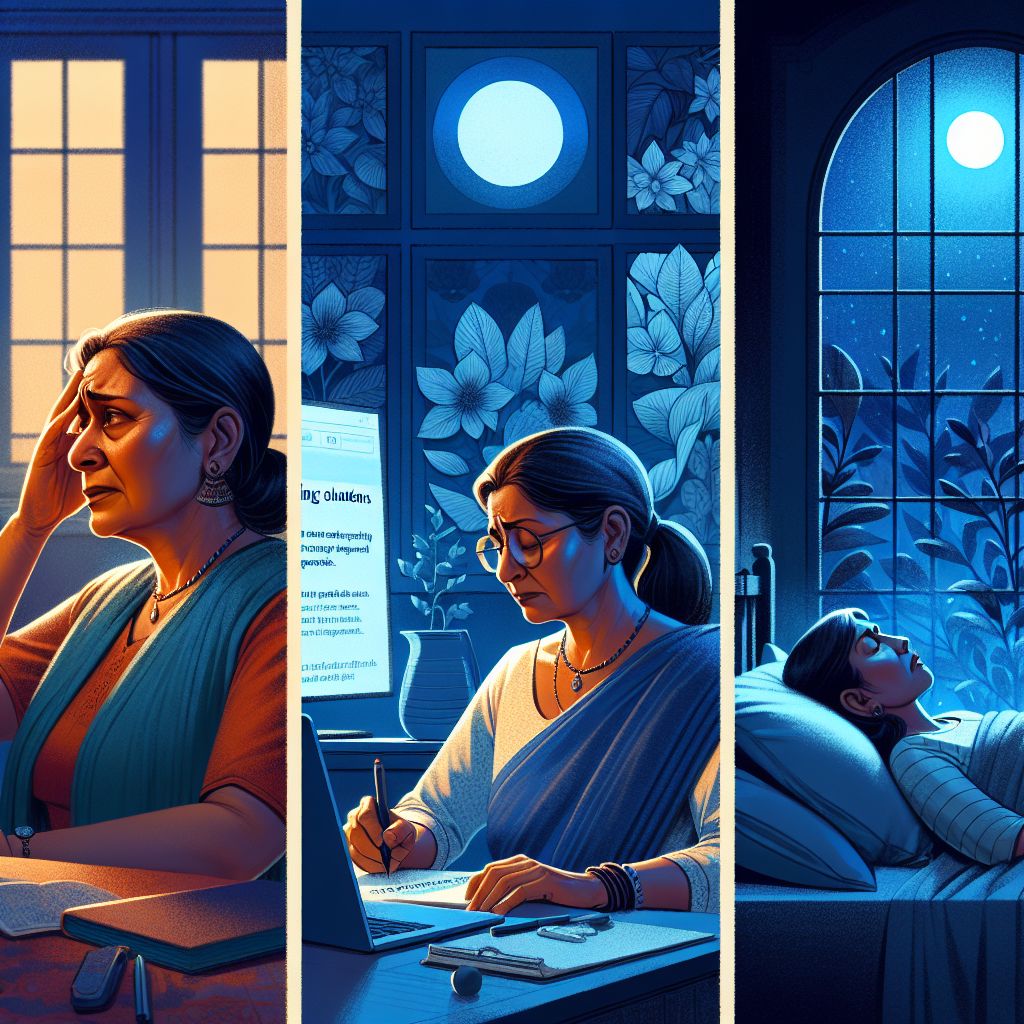
The Science of Blue Light and Its Impact on Sleep
When we talk about sleep, it’s not just the quantity that matters, but the quality. And one surprising factor that can mess with the quality of our sleep is blue light. It’s the same light that makes the sky look blue but is also emitted in hefty doses from our screens and modern lighting. It’s got a bit of a reputation for being a sleep disrupter, and here’s why.
Understanding Blue Light: Its Sources and Effects
So, what exactly is blue light? It’s a type of light with a short wavelength, which means it’s high-energy. It’s everywhere – the sun blasts it down during the day, and it’s also what’s shining out from your phone, tablet, or laptop screen. During the day, this blue light is actually a good thing because it keeps us awake and alert. But at night, it’s a different story.
Blue Light and Melatonin: Disrupting Natural Sleep Patterns
As the sun sets, our bodies get ready for sleep, and a big part of that process is the release of melatonin. Think of melatonin as a signal to your body that it’s time to wind down. But when we expose ourselves to blue light in the evening, it can trick our bodies into thinking it’s still daytime, delaying that melatonin release, and keeping us up longer.
Especially for menopausal women, this can be a double whammy. Menopause already messes with hormones, and then blue light comes in and throws another wrench in the works. It’s like having an internal clock that’s already a bit out of whack and then shining a bright light in its face.
Circadian Rhythms and the Role of Light Exposure
Our circadian rhythms are like our body’s master clock. They tell us when to sleep, wake, eat – pretty much run the whole show. Light is one of the main cues that keep this clock ticking on time. But when we get too much light at the wrong times, it can throw off our rhythms, making it harder to fall asleep and stay asleep.
Restorative Sleep: Why It’s Vital for Health
Restorative sleep isn’t just about feeling refreshed. It’s when the body repairs itself, sorts through memories, and replenishes energy. It’s a big deal, and not getting enough can affect everything from your mood to your immune system.
Defining Restorative Sleep and Its Stages
Restorative sleep mainly happens during deep sleep, which is part of a normal sleep cycle that also includes lighter sleep and REM sleep. Deep sleep is when the body really gets down to business repairing tissues, building bone and muscle, and strengthening the immune system.
The Health Consequences of Poor Sleep Quality
Now, if you’re not getting enough restorative sleep, you might notice you’re cranky, have trouble focusing, or keep getting sick. Over time, poor sleep can lead to more serious health issues like obesity, diabetes, and heart disease. It’s not something to brush off as just a few bad nights.
-
Aim to get 7-9 hours of sleep per night.
-
Establish a regular sleep schedule, even on weekends.
-
Create a bedtime routine that signals to your body it’s time to wind down.
Most importantly, because blue light can be such a sleep-stealer, it’s crucial to minimize exposure, especially in the evening. This means powering down screens well before bedtime and maybe swapping out those bright, blue-light-emitting bulbs for something a little gentler on the circadian rhythm.
How Blue Light Affects Deep Sleep and Physical Recovery
During menopause, the body is already dealing with a lot of changes, and adding sleep issues into the mix doesn’t help. Blue light exposure can cut into that precious deep sleep, which means the body doesn’t get a chance to fully do its nightly repair work. This can leave you feeling like you’re running on empty, even if you spent plenty of time in bed.
Therefore, it’s essential to take control of our sleep by managing our blue light exposure. This doesn’t mean you have to throw out all your tech, but being mindful of when and how you use it can make a big difference.
Linking Blue Light Exposure to Menopausal Sleep Challenges
As we delve into the relationship between blue light and menopause, it becomes clear that this is not just about poor sleep—it’s about how hormonal changes can make women more sensitive to the effects of blue light. Menopause can bring about a host of sleep-related issues, such as insomnia and disrupted sleep patterns. When you add blue light into the mix, which is known to suppress melatonin production, it can exacerbate these issues, making it even harder for menopausal women to get the rest they need.
Strategies to Reduce Blue Light Exposure for Better Sleep
To combat the sleep-stealing effects of blue light, there are several strategies we can employ. By taking proactive steps to manage our blue light exposure, we can protect our sleep and, in turn, our overall well-being. Let’s explore some of these strategies and understand how to implement them effectively.
Tech Habits: Managing Device Use Before Bed
One of the simplest yet most effective ways to reduce blue light exposure is to change our tech habits. This means setting a curfew for electronic devices. Try to power down all screens at least an hour before bed. Instead of scrolling through social media or catching up on emails, consider reading a book or doing some light stretching—activities that help signal to your body that it’s time to wind down.
If you must use a device closer to bedtime, make use of built-in features that reduce blue light emissions, such as night mode on smartphones and computers. These settings adjust the color temperature of your screen to emit warmer tones, which are less likely to interfere with sleep.
Blue Light Blocking Solutions: Glasses and Screen Filters
Another line of defense against blue light is using physical barriers, such as blue light blocking glasses or screen filters. These glasses have special lenses that filter out the blue light, and they come in various styles to suit your needs, whether you’re working on a computer all day or winding down with a tablet at night.
Screen filters can also be applied directly to your devices, serving the same purpose. They’re a particularly good option if you find glasses uncomfortable or if you have multiple screens that you use regularly.
The Importance of Creating a Sleep-Inducing Environment
Your bedroom environment plays a crucial role in the quality of your sleep. To create a space conducive to restful sleep, start by dimming the lights as bedtime approaches. Consider replacing bright, white bulbs with warmer, red-toned ones that mimic the natural progression of the sunset.
Blackout curtains can also be a game-changer, especially if you live in an area with lots of artificial light at night. They help block out not just blue light, but all light that could disrupt your sleep. Make sure your bedroom is a gadget-free zone—leave phones, tablets, and laptops out of the room to resist the temptation of one last check before bed.
Finally, keep the bedroom cool, quiet, and comfortable. A cool temperature helps signal to your body that it’s time for sleep, and a quiet environment reduces the chances of disturbances. Invest in a good mattress and pillows to ensure physical comfort throughout the night.
Embracing Lifestyle Adjustments for Enhanced Sleep During Menopause
While managing blue light exposure is important, it’s just one piece of the puzzle. Embracing a healthy lifestyle can also have a significant impact on sleep quality during menopause. Let’s look at some lifestyle adjustments that can make a difference.
Diet and exercise are pillars of good health, and they also play a critical role in sleep. A balanced diet can help stabilize mood swings and improve sleep quality. Meanwhile, regular exercise—particularly aerobic activities—can lead to deeper sleep. Just be sure to finish your workout a few hours before bedtime so you’re not too energized to sleep.
Diet and Exercise: Their Role in Sleep Health for Menopausal Women
Eating a balanced diet rich in fruits, vegetables, whole grains, and lean proteins can provide the nutrients necessary for maintaining hormonal balance and promoting sleep. Be mindful of caffeine and alcohol intake, as both can disrupt sleep patterns. Instead, opt for calming herbal teas like chamomile or valerian root in the evening.
Exercise is equally important. Regular physical activity can help you fall asleep faster and enjoy deeper sleep. It’s also a great way to manage stress, which can be a significant barrier to good sleep during menopause. Aim for at least 30 minutes of moderate exercise most days of the week, but avoid vigorous workouts close to bedtime.
-
Maintain a balanced diet with an emphasis on sleep-promoting foods.
-
Limit caffeine and alcohol, especially in the hours leading up to bedtime.
-
Incorporate regular physical activity into your routine.
The Value of Sleep Hygiene and Consistent Bedtime Routines
Good sleep hygiene is about creating habits that signal to your body it’s time to sleep. This includes going to bed and waking up at the same time every day, even on weekends. A consistent sleep schedule helps regulate your body’s internal clock and can improve the quality of your sleep over time.
Your bedtime routine is also important. Engage in relaxing activities before bed, such as taking a warm bath, reading, or practicing deep breathing exercises. Avoid stimulating activities that can increase alertness, such as watching TV or engaging in intense discussions.
Make your bedroom a sanctuary for sleep: keep it dark, cool, and quiet. Use comfortable bedding and pillows to create a cozy environment. And most importantly, reserve your bed for sleep and intimacy only, not for work or leisure activities.
-
Establish a regular sleep schedule.
-
Create a relaxing bedtime routine.
-
Optimize your bedroom environment for sleep.
Relaxation Techniques to Improve Sleep Quality
Relaxation techniques can be powerful tools for improving sleep. editation, for example, involves focusing on the present moment and accepting it without judgment. This can help calm the mind and prepare it for sleep. Progressive muscle relaxation is another technique that involves tensing and then relaxing different muscle groups, which can reduce physical tension and promote relaxation.
Professional Interventions and Support for Menopause-Related Sleep Issues
While lifestyle changes and home remedies can be effective, sometimes professional intervention is needed. If sleep disturbances persist despite your best efforts, it’s important to seek help from a healthcare provider.
They can assess your individual situation and may recommend treatments such as hormone replacement therapy, which can alleviate some menopausal symptoms and improve sleep. Cognitive-behavioral therapy for insomnia (CBT-I) is another effective treatment that can help change the thoughts and behaviors that are disrupting sleep.
When to Seek Help: Recognizing Persistent Sleep Problems
It’s time to seek help when sleep issues become persistent and start affecting your daily life. If you find yourself struggling to stay awake during the day, relying heavily on caffeine, or feeling depressed or anxious due to lack of sleep, these are signs that professional help may be needed.
Medical Treatments and Therapies for Sleep Disturbances
There are various medical treatments and therapies available for sleep disturbances, including:
-
Hormone replacement therapy to address hormonal imbalances.
-
Prescription sleep aids, which should be used with caution and under a doctor’s supervision.
-
Cognitive-behavioral therapy for insomnia (CBT-I), a structured program that helps identify and replace thoughts and behaviors that cause or worsen sleep problems with habits that promote sound sleep.
Remember, a good night’s sleep is within reach. By understanding the impact of blue light on sleep, especially during menopause, and by implementing these strategies, you can improve your sleep quality and overall health.
When it comes to managing menopause-related sleep disturbances, sometimes lifestyle adjustments and home remedies may not be enough. It’s crucial to recognize when it’s time to seek professional help. Persistent sleep problems that significantly affect your daily life, mood, and health require attention from healthcare professionals.
Medical Treatments and Therapies for Sleep Disturbances
Medical interventions can offer relief when sleep disturbances become overwhelming. Hormone replacement therapy (HRT) can be a game-changer for some women, as it addresses the hormonal imbalances that often lie at the heart of menopausal symptoms, including sleep issues. However, HRT isn’t suitable for everyone, and it’s essential to discuss the risks and benefits with your doctor.
Prescription sleep aids are another option, but they’re not a long-term solution and should be used with caution. Cognitive-behavioral therapy for insomnia (CBT-I) is a non-pharmacological treatment that has been proven effective. It involves working with a therapist to change the thoughts and behaviors that disrupt sleep and establish habits that promote sound sleep.
Support Groups and Resources for Menopausal Women
Dealing with menopause and sleep problems can feel isolating, but support groups and resources can provide comfort and guidance. Connecting with others who are going through similar experiences can offer a sense of community and shared understanding. Online forums, local health clinics, and organizations dedicated to women’s health often have information on support groups.
Key Takeaways
-
Blue light exposure at night can interfere with melatonin production and disrupt sleep.
-
Restorative sleep is vital for health, particularly during menopause when sleep patterns are often disrupted.
-
Menopausal women may be more sensitive to the effects of blue light and should take extra care to minimize exposure.
-
Creating a sleep-inducing environment and managing tech habits can significantly improve sleep quality.
-
If sleep issues persist, professional interventions like HRT, CBT-I, and support groups can offer further help.
Frequently Asked Questions
Can Blue Light Exposure Influence the Severity of Menopausal Symptoms?
Yes, blue light exposure can influence the severity of menopausal symptoms. Since blue light can disrupt sleep by suppressing melatonin production, and quality sleep is crucial for managing menopause symptoms, excessive blue light can make symptoms worse. It’s important for menopausal women to monitor their screen time and consider using blue light filters or glasses.
How Does Blue Light from Screens Differ from Natural Light?
Blue light from screens is more concentrated and can be more disruptive to our sleep patterns than natural light. Natural light contains a mix of different wavelengths and diminishes as the day progresses, which helps maintain our circadian rhythm. In contrast, the blue light from screens is constant and can trick our brains into thinking it’s still daytime, making it harder to wind down for sleep.
Are There Any Specific Times When Blue Light is Most Harmful for Sleep?
Blue light is most harmful for sleep in the hours leading up to bedtime. It’s during this time that exposure to blue light can have the most significant impact on melatonin production and circadian rhythms. To protect your sleep, avoid screens and bright lights at least an hour before you plan to go to bed.
What Are Some Natural Ways to Boost Melatonin Production?
There are several natural ways to boost melatonin production:
-
Stick to a regular sleep schedule to regulate your circadian rhythm.
-
Avoid bright light in the evening, especially blue light from screens.
-
Spend time outside in natural light during the day, particularly in the morning.
-
Consider foods that are rich in tryptophan, magnesium, and vitamin B6, which can help with melatonin production.
Can Menopausal Women Benefit from Blue Light Therapy During the Day?
Interestingly, while blue light at night is harmful to sleep, exposure to blue light therapy during the day can actually be beneficial for some menopausal women. It can help regulate the circadian rhythm and improve mood and alertness. However, it’s essential to use blue light therapy under the guidance of a healthcare professional to ensure it’s done correctly and at the appropriate times.