
-
Menopause is a natural phase, but it can affect self-image and esteem.
-
Understanding the link between menopause and self-esteem is crucial for empowerment.
-
Physical and psychological changes can alter body perception, impacting well-being.
-
Self-compassion and resilience are key to navigating these changes positively.
-
Engaging in positive lifestyle choices and self-care can boost confidence and self-image.
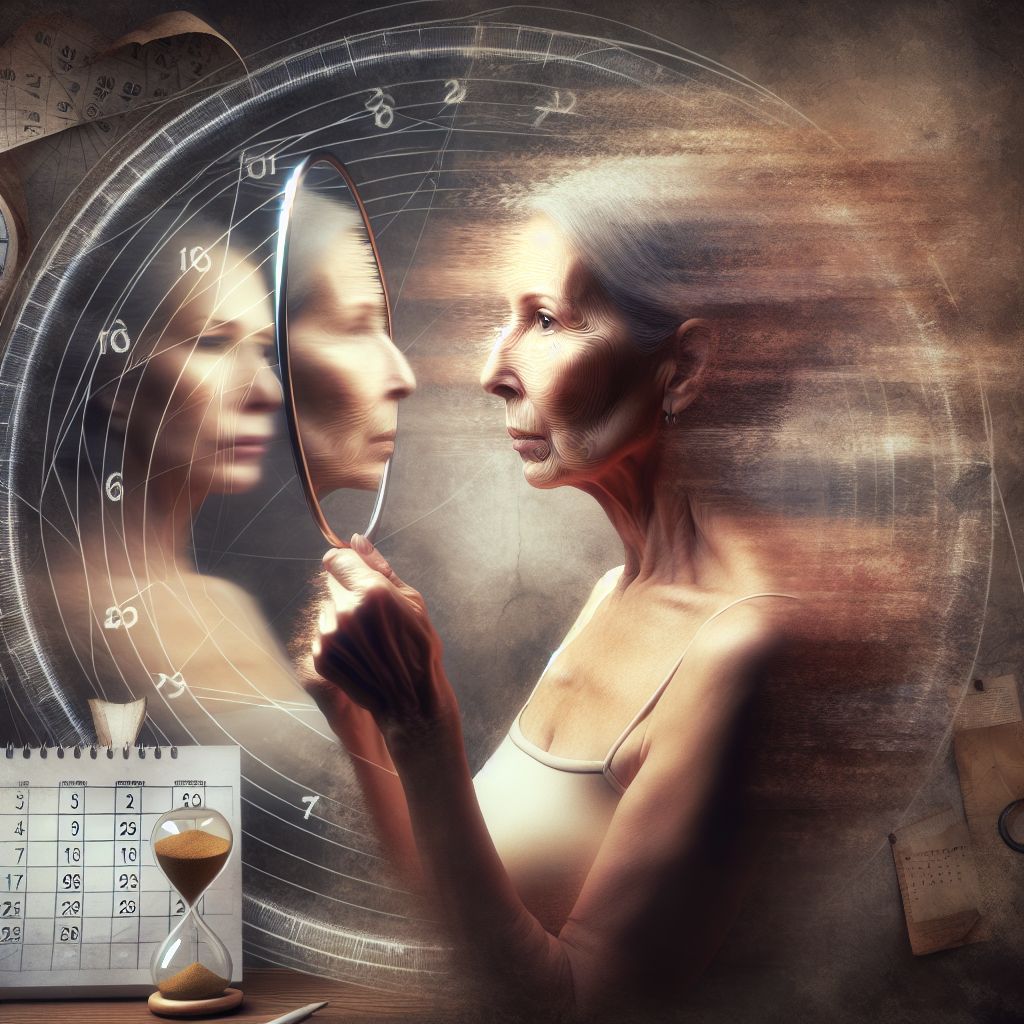
Menopause is not just a biological transition; it’s a complex journey that intertwines with how we see and feel about ourselves. As we step into this phase, our self-image might take a hit, but it’s important to remember that we’re not alone in this, and there’s a lot we can do to uplift ourselves.
Understanding Menopause and Self-Image Decline
When we talk about menopause, it’s not just hot flashes and the end of menstruation. It’s about the changes our body goes through and how these changes can make us feel less like ourselves. But why does this happen? Let’s dig a little deeper.
The Link Between Menopause and Self-Esteem
During menopause, our bodies are on a rollercoaster of hormonal fluctuations. Estrogen, which plays a big role in maintaining our youthful skin and figure, takes a dip. This can lead to weight gain, wrinkles, and other physical changes that might not align with the youthful image society celebrates. But it’s not just about looks. These physical changes can shake our confidence and make us feel invisible in a society that often overlooks the beauty of aging.
Psychological and Physical Changes Affecting Body Perception
As our estrogen levels drop, so can our serotonin – that’s a feel-good hormone. This can lead to mood swings and even depression, which can cloud the way we see ourselves. Besides that, the physical changes, like a slower metabolism and changes in fat distribution, can make us feel like strangers in our own skin. But here’s the thing: these changes don’t define us. We’re much more than our physical appearance.
The Psychological Impact of Body Image Changes
It’s normal to feel a little blue when our body starts to change. But when these feelings linger, they can lead to a negative self-image. This is when we need to step in and take control of the narrative.
Navigating Emotional Well-being and Self-Acceptance
It’s crucial to acknowledge our feelings. It’s okay to mourn the loss of our younger selves, but it’s just as important to celebrate who we are now. This is where self-compassion comes in. We need to be as kind to ourselves as we would be to a dear friend going through the same experience.
Most importantly, we need to remember that menopause is a natural part of life, not a flaw or a failure. We can embrace this new chapter by focusing on the wisdom, strength, and experience we’ve gained over the years.
The Role of Self-Compassion and Resilience
Building resilience during menopause is like constructing a bridge over a river of change. It’s about developing coping strategies that help us adapt and thrive. Self-compassion is one of those strategies. It’s about treating ourselves with the same kindness, concern, and support we’d offer a good friend.
When we make a mistake or notice a new wrinkle, instead of being critical, we can be understanding and gentle with ourselves. The wrinkle can be viewed as a badge of wisdom rather than an unwanted menace on the body. This shift in mindset can have a powerful impact on our self-image and overall happiness during menopause.
Self-Destructive Behaviors During Menopause
Sometimes, when we feel down about ourselves, we might turn to habits that give us temporary relief but harm us in the long run. This is where we need to be vigilant and make choices that serve our well-being.
Addressing Emotional Eating and Comfort Food Cravings
When we’re stressed or unhappy, it’s easy to reach for comfort foods. But these quick fixes can lead to weight gain, which only fuels the fire of a negative self-image. Here’s what we can do instead:
-
Recognize emotional hunger: It’s sudden and craves specific comfort foods.
-
Find alternative comforts: A walk, a good book, or a relaxing bath can also soothe.
-
Practice mindful eating: Focus on the flavors, textures, and sensations of your food.
By staying in the present moment in our eating habits, we can maintain control over our bodies and our self-image during menopause.
Recognizing and Breaking Negative Behavior Patterns
Whether it’s skipping the gym or neglecting self-care, we all have habits that don’t serve us. The key is to recognize these patterns and replace them with positive ones. For instance, if we’re skipping exercise because we feel self-conscious at the gym, we can try at-home workouts or find a workout buddy for support.
Remember, every step towards a positive change is a step towards a better self-image.
Significance of Nutrition in Menopause
Let’s talk about food – it’s not just fuel, it’s information for our bodies. The right nutrients can help manage menopausal symptoms and therefore, play a significant role in how we feel about ourselves. It’s like this: when we eat well, we feel well, and when we feel well, we look at ourselves more positively.
Choosing Foods That Support Hormonal Balance
So, what should we be putting on our plates to help balance those hormones? Here’s a quick list:
-
Phytoestrogens: Found in soy, flaxseeds, and chickpeas, these can mimic estrogen in the body.
-
Vitamin K2 and Vitamin D: Essential for bone health, which is crucial as we’re at higher risk for osteoporosis.
-
Omega-3s: These healthy fats, in fish like salmon, can help with mood swings and joint pain.
-
Omega-3s which are the essential Omega 3, called ALA, found in flax seed can help preserve brain health.
By choosing these foods, we’re not just eating, we’re strategizing against the symptoms of menopause.
Impact of a Balanced Diet on Mood and Energy Levels
It’s not just about the physical benefits; what we eat impacts our mood and energy too. Fruits and vegetables, range fed animal proteins, and healthy fats can keep our blood sugar stable, which keeps our mood stable. And let’s not forget about fiber – it keeps us full longer, so we’re not tempted by those mood-crashing snacks.
A balanced diet can be a game-changer. It’s like putting premium fuel in a car – the performance just gets better.
Restorative Strategies for a Positive Self-Image
Now, let’s shift gears and focus on the restorative strategies that can help us rebuild and maintain a positive self-image during menopause. It’s about more than just accepting changes; it’s about actively working to feel good in our own skin.
Cultivating a Mindful Relationship with Food
Here’s where appropriate self talk comes into play. It’s about being present with our food, appreciating it, and listening to our bodies. Mindful eating means slowing down, savoring every bite, and recognizing when we’re full. This practice helps us make better food choices and, in turn, feel better about our bodies.
It’s not a quick fix, but a slow and steady journey towards a healthier relationship with food and ourselves.
Example: Instead of mindlessly snacking on chips while watching TV, try sitting at the table with a small bowl of nuts, taking the time to taste each one. You’ll likely eat less and enjoy more.
These strategies are not just about navigating menopause; they’re about embracing it. With the right mindset and actions, we can step into this new chapter with confidence and grace. And remember, the changes we’re going through are natural and shared by millions of women worldwide. We’re all in this together, and together, we’re unstoppable.
Restorative Strategies for a Positive Self-Image
Rebuilding a positive self-image during menopause is not just about adapting to changes—it’s about transforming our perspective and nurturing our well-being. It’s time to take charge and implement restorative strategies that reaffirm our worth and beauty at every stage of life.
Cultivating a Mindful Relationship with Food
One of the most empowering strategies is to develop a mindful relationship with food. Mindfulness encourages us to be fully present during meals, to savor each bite, and to listen to our body’s hunger and fullness cues. This approach not only enhances our eating experience but also helps us make healthier food choices, which can have a positive impact on our self-image.
Here’s how to start cultivating mindfulness with your meals:
-
Pause before eating – Take a moment to express gratitude for your food and to set intentions for a nourishing meal.
-
Focus on the senses – Notice the colors, textures, smells, and flavors of your food. This can heighten the enjoyment and prevent overeating.
-
Slow down – Chew thoroughly and put down your utensils between bites to help with digestion and to give your brain time to recognize fullness.
-
Completely avoid any electronic reading while you are eating. No cellphones, or other similar gadgets.
Engaging in Self-Care and Positive Lifestyle Changes
Engaging in self-care is a powerful way to improve self-image. Self-care practices, whether it’s a skincare routine, regular physical activity, or setting aside time for hobbies, signal to ourselves that we are valuable and worthy of care. Positive lifestyle changes also help us feel more energetic and confident, which can greatly enhance our self-perception during menopause.
Here are some self-care practices to consider:
-
Exercise – Find an activity you enjoy, whether it’s swimming, or walking, and make it a regular part of your routine.
-
Relaxation techniques – Incorporate stress-reducing practices like sustained prayer, chi gong, or aromatherapy.
-
Personal hobbies – Rekindle your passion for activities that make you happy, such as painting, gardening, or playing music.
Moving Beyond Menopause with Confidence
Menopause is not an end but a beginning—a chance to refocus on personal aspirations and embrace the future with optimism. Moving beyond menopause with confidence is about setting new goals, nurturing our passions, and connecting with others on a similar journey. Discover more about the best treatment for depression in menopause to help you move forward with positivity.
Creating New Goals and Embracing Personal Growth
Setting new goals during menopause can reignite our sense of purpose and motivate us to continue growing and learning. These goals can be related to career, education, fitness, or any area that sparks our interest. Embracing personal growth also means being open to new experiences and challenges that enrich our lives.
Consider these steps to set meaningful goals:
-
Reflect on your desires – Take time to think about what truly matters to you and what you’d like to achieve or experience.
-
Be specific – Clearly define your goals, making them measurable and time-bound to track progress.
-
Take action – Break down your goals into small, manageable steps and start taking action toward them.
Remember, it’s about the journey, not just the destination. Celebrate each step forward and use setbacks as opportunities to learn and grow.
Stanley Lang, M.D. has been in active medical practice since 1978. He has been a family physician during these years with detailed experience in all age groups including delivering babies for several years. He has been a pioneer in developing models of wholistic health care that bring health to the whole person. He has particularly focussed on reversing Chronic Stress effects on the body. He is the creator of the Shalom Method for Wholistic Health, and he has created several online programs that allow patients to naturally self manage their problems including “The Natural Lyme disease Treatment Program”, the “Menopause Balancing Program”, “The Happy Healthy Child” program plus many others.