
-
Perimenopause can bring about hormonal fluctuations that affect overall health.
-
Including cruciferous vegetables in your diet can help balance hormones naturally.
-
Broccoli, cauliflower, Brussels sprouts, kale, and arugula are top choices for hormonal health.
-
These vegetables contain compounds that support the breakdown and balance of estrogen.
-
Eating a variety of cruciferous vegetables is recommended for managing perimenopause symptoms.
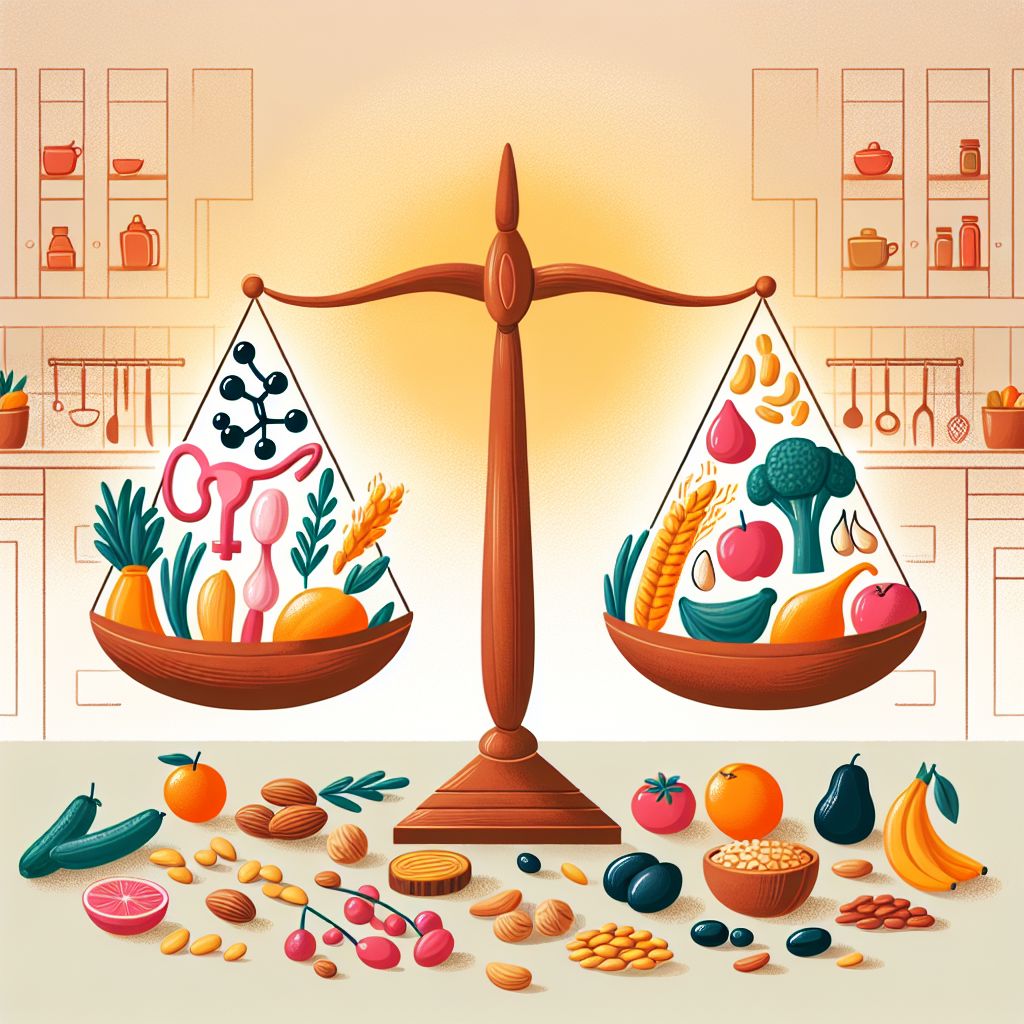
Understanding Perimenopause and Hormonal Fluctuations
As a family doctor who has been treating women’s health issues for over 40 years, I’ve seen firsthand the impact that perimenopause can have on a woman’s body. This natural transition, typically occurring in a woman’s 40s or 50s, marks the time when the ovaries gradually begin to make less estrogen but before that they start making less progesterone which actually causes a lot of the symptoms attributed to estrogen. It’s a time of significant change, and understanding these changes is crucial for taking control of your health.
What Is Perimenopause?
Perimenopause is the precursor to menopause, the point when a woman’s menstrual periods stop permanently. During this phase, which can last several years, estrogen and progesterone levels fluctuate, leading to irregular periods, hot flashes, sleep disturbances, and mood swings. It’s a time when many women become more attuned to their bodies and seek natural ways to ease these symptoms.
Signs and Symptoms of Hormonal Imbalance
Some common signs that your hormones might be out of balance include:
-
Irregular menstrual cycles
-
Unexplained weight gain or loss
-
Fatigue or lack of energy
-
Difficulty sleeping
-
Changes in hair or skin
-
Increasing PMS symptoms
These symptoms can be more than just bothersome; they can significantly impact daily life. That’s why finding natural solutions to manage these changes is so important.
How Hormones Affect Your Body During Perimenopause
Hormones are the chemical messenger part of your body’s communication system, sending messages that regulate everything from your menstrual cycle to your mood. When estrogen levels swing too high or too low, it can feel like your body’s messages are getting mixed up. At the same time progesterone levels are dropping off. This hormonal turbulence is what leads to the hallmark signs of perimenopause.
The Role of Diet in Hormonal Health
Crucial Nutrients for Hormonal Balance
What you eat plays a pivotal role in how your body manages these hormonal changes. Certain nutrients are key for supporting hormonal balance, including:
-
Fiber, to assist with hormone excretion
-
Antioxidants, to protect cells from damage
-
Cruciferous vegetables, for their hormone-regulating compounds
How Food Choices Influence Hormone Levels
The foods you choose can either exacerbate symptoms or help stabilize your hormones. Diets high in processed foods, sugar, and unhealthy fats (the manmade and man altered fats) and especially the chemicals that are part of the processing can increase inflammation and disrupt hormonal equilibrium. On the flip side, a diet rich in whole foods, particularly those with specific nutrients for hormone health, can support your body’s natural balance.
Dietary Adjustments for Perimenopausal Women
For women in perimenopause, the focus should be on including foods that support hormone metabolism and detoxification. It’s not just about what to add, but also what to limit. Reducing alcohol, and sugar, and processed inorganic food while increasing intake of leafy greens and whole fruits, can make a significant difference in how you feel.
Cruciferous Vegetables: Hormone Balancing Superfoods
Nutritional Profile and Benefits of Cruciferous Vegetables
Cruciferous vegetables are not just your average greens; they’re a powerhouse of nutrients that are particularly beneficial during perimenopause. They’re loaded with fiber, vitamins, minerals, and antioxidants. But most importantly, they contain a group of substances known as glucosinolates, which your body converts into compounds that help regulate estrogen and support detoxification.
The Science Behind Cruciferous Vegetables and Hormone Metabolism
Research has shown that the compounds derived from glucosinolates in cruciferous vegetables can help maintain a healthy balance of estrogen. These compounds support the liver in processing and eliminating excess hormones, which is especially helpful when estrogen levels are fluctuating.
For example, a study published in the journal “Cancer Epidemiology, Biomarkers & Prevention” found that women who ate more cruciferous vegetables had a lower risk of developing breast cancer, which is thought to be related to the way these vegetables influence estrogen metabolism. Of course it may be some other mechanism such as interacting at the estrogen receptor but the positive health association is clear.
It’s not just about eating any vegetable; it’s about focusing on those that have the most significant impact on hormonal health. And that’s where cruciferous vegetables come into play.
-
Cruciferous vegetables can help to naturally balance hormones during perimenopause.
-
These vegetables are rich in nutrients and compounds that support estrogen metabolism.
-
Including a variety of cruciferous vegetables in your diet can help alleviate symptoms associated with hormonal imbalances.
-
Cooking methods and recipe ideas can make incorporating these vegetables into your diet enjoyable and simple.
-
Other lifestyle changes and natural remedies can further support hormonal health during perimenopause.
Top 5 Cruciferous Vegetables for Perimenopause
Broccoli: The Detox Powerhouse
Broccoli is a true champion when it comes to detoxifying the body. It’s rich in a compound called sulforaphane, which boosts liver function and enhances the elimination of excess hormones. Including broccoli in your diet a few times a week can support your body’s natural detox processes, which is especially beneficial during the hormonal shifts of perimenopause.
Cauliflower: Versatile and Nutrient-Rich
Cauliflower isn’t just a trendy low-carb substitute; it’s a cruciferous vegetable that’s loaded with vitamin C, potassium, and fiber. It’s also high in indole-3-carbinol, a compound that aids in regulating estrogen levels. You can steam, roast, or even rice cauliflower for a nutritious addition to any meal.
Brussels Sprouts: Small but Mighty
Don’t let their size fool you; Brussels sprouts are packed with vitamins K and C, folate, and fiber. They also contain diindolylmethane (DIM), which promotes healthy estrogen metabolism. Roasting Brussels sprouts with a little olive oil and sea salt can transform them into a crispy, delicious side dish.
Most importantly, these little powerhouses are easy to incorporate into your diet. You can shred them into a salad or sauté them with garlic for a flavorful boost.
Kale: The Leafy Green Hormone Helper
Kale is not only trendy but also a nutrient-dense food that can help manage perimenopause symptoms. It’s an excellent source of vitamins A, C, K, and minerals like calcium and manganese. Kale’s high fiber content aids in digestion and helps with the excretion of excess hormones.
Arugula: Peppery Leaves with a Hormonal Punch
Arugula, with its peppery flavor, is more than just a salad green. It’s a cruciferous vegetable that’s high in nitrate and powerful phytochemicals which can help to balance hormones. Arugula is also a great source of folate and vitamins A and K, which support overall health.
Incorporating Cruciferous Vegetables into Your Diet
Simple Recipes for a Hormone-Balancing Diet
Adding cruciferous vegetables to your diet doesn’t have to be complicated. Simple recipes like roasted cauliflower steaks, steamed broccoli with lemon zest, or a kale and arugula salad with a vinaigrette dressing can make these vegetables a regular part of your meals.
Creative Ways to Add More Cruciferous Veggies to Your Meals
Besides that, you can get creative with how you include these vegetables in your diet:
-
Blend kale or cauliflower into smoothies for a nutrient boost.
-
Add shredded Brussels sprouts to omelets or frittatas.
-
Use riced cauliflower in place of grains for a lower-carb option.
Meal Planning Tips for Optimal Hormone Health
Planning your meals can ensure you’re getting a variety of cruciferous vegetables throughout the week. Aim to include at least one serving per day, and mix up the types of vegetables you’re eating to get a range of nutrients and benefits. For more guidance on managing menopause symptoms through diet, explore our resource on combating menopause belly.
Other Natural Strategies for Managing Perimenopause Symptoms
While diet is a critical component of managing perimenopause symptoms, it’s not the only strategy. Regular exercise, stress management techniques like meditation or yoga, and getting enough sleep are all important for maintaining hormonal balance.
Lifestyle Changes to Support Hormonal Equilibrium
Small lifestyle changes can make a big difference:
-
Increase physical activity to boost mood and energy levels.
-
Practice relaxation techniques to reduce stress.
-
Ensure you’re getting 7-9 hours of quality sleep each night.
These habits, along with a balanced diet, can help you navigate perimenopause with greater ease.
Remember, the journey through perimenopause is unique for each woman. Increasingly it is happening earlier than many women planned. For more information on managing symptoms, you may want to read about what is premature menopause and what should you do about it.
Herbs and supplements can also play a role in managing perimenopause symptoms. These natural remedies can complement a diet rich in cruciferous vegetables. For example, herbs like black cohosh, red clover, and evening primrose oil have been traditionally used to alleviate hot flashes and mood swings. Supplements such as vitamin D, omega-3 fatty acids, and probiotics can support overall health and well-being.
However, it’s important to approach herbs and supplements with caution and to consult with a healthcare provider before starting any new regimen. Some herbs can interact with medications or have side effects, so professional guidance is key to ensuring safety and effectiveness.
For instance, a patient of mine found relief from her night sweats after adding a daily dose of black cohosh to her routine, along with a cruciferous vegetable-packed diet. It’s individual stories like these that highlight the importance of a personalized approach to health. When it comes to black cohash the estrogen effect can be so strong as to cause a condition called “endometrial hyperplasia” so that particular herb should be used in consultation with your doctor as you might need to use progesterone with it.
When considering herbs and supplements, look for reputable brands and research-backed products. Quality matters when it comes to the potency and purity of these natural remedies.
Key Takeaways
-
Perimenopause can cause hormonal fluctuations that impact overall health.
-
Cruciferous vegetables contain compounds that support hormone balance.
-
Incorporating a variety of cruciferous vegetables can help manage perimenopause symptoms.
-
Herbs and supplements may complement a cruciferous-rich diet but should be used with professional guidance.
-
Lifestyle changes, such as regular exercise and stress management, are also important for hormonal health.
FAQs About Cruciferous Vegetables and Perimenopause
Let’s address some common questions about cruciferous vegetables and their role in managing perimenopause symptoms.
Can Cruciferous Vegetables Affect Thyroid Function?
Cruciferous vegetables contain goitrogens, substances that can interfere with thyroid hormone production. However, the effect is usually minimal and not a concern for people with healthy thyroid function. For those with thyroid issues, cooking these vegetables can reduce goitrogenic activity.
How Often Should I Eat Cruciferous Vegetables?
For optimal hormonal balance, aim to include cruciferous vegetables in your diet several times a week. I suggest them daily for a variety of health issues unrelated to menopause. Each serving can contribute to the beneficial effects on hormone metabolism and detoxification.
Are There Any Side Effects to a Cruciferous Vegetable Diet?
While cruciferous vegetables are generally safe and healthy, some people may experience gas or bloating. Introducing them slowly into your diet and increasing water intake can help mitigate these effects.
How Long Does It Take to See Benefits from Eating Cruciferous Vegetables?
The benefits of a diet rich in cruciferous vegetables can vary from person to person. Some may notice improvements in their symptoms within a few weeks, while for others, it may take longer to see noticeable changes.
Can Men Benefit from Eating Cruciferous Vegetables for Hormone Balance?
Absolutely. While this article focuses on perimenopause in women, men also experience for completely different reasons. Cruciferous vegetables can support men’s hormonal health by promoting detoxification and potentially reducing the risk of hormone-related conditions.
In conclusion, as a family doctor, my goal has always been to empower individuals to take control of their health. Through a diet rich in cruciferous vegetables and other natural strategies, women can navigate the challenges of perimenopause and maintain hormonal balance.
Stanley Lang, M.D. has been in active medical practice since 1978. He has been a family physician during these years with detailed experience in all age groups including delivering babies for several years. He has been a pioneer in developing models of wholistic health care that bring health to the whole person. He has particularly focussed on reversing Chronic Stress effects on the body. He is the creator of the Shalom Method for Wholistic Health, and he has created several online programs that allow patients to naturally self manage their problems including “The Natural Lyme disease Treatment Program”, the “Menopause Balancing Program”, “The Happy Healthy Child” program plus many others.
10 Natural Ways to Balance Your Hormones: Diet Tips and More
On the contrary, following a Mediterranean-style diet rich in whole grains, seed…
Top 5 Foods for Hormone Balance
Apr 2, 2020 — 1. Cruciferous Vegetables · 2. Flax Seeds · 3. Fibre · 4. Calcium-…
These Underrated Vegetables Balance Hormones
Cruciferous vegetables are part of the Brassica family and include broccoli, cau…



Leave a Reply