
Key Takeaways
-
Menopause can lead to hormonal changes that may increase the risk of developing nonalcoholic fatty liver disease (NAFLD).
-
Recognizing symptoms like fatigue and energy loss
-
Diet and exercise play a significant role in managing liver health during and after menopause.
-
Hormone Replacement Therapy (HRT) has potential benefits and risks for liver health and should be considered carefully.
-
Regular liver function tests are recommended for overweight menopausal women to monitor their liver health.
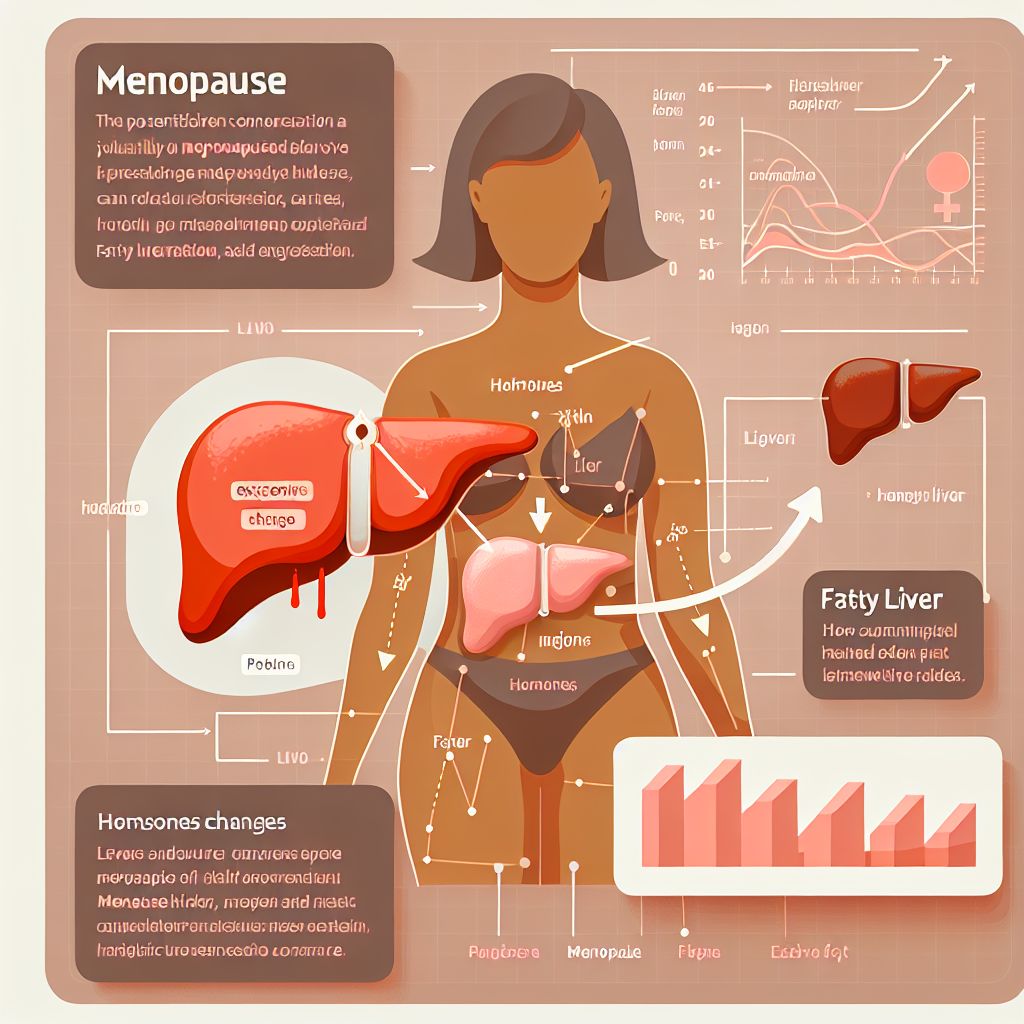
Unpacking the Menopause and Fatty Liver Connection
Over the years, caring for menopausal women has taught me that this phase is more than just the end of menstrual cycles; it’s a period of significant change that can affect every organ in the body, including the liver. One condition that seems to emerge or worsen during this time is fatty liver disease, a concern that should not be taken lightly.
What is Fatty Liver?
Fatty liver disease, particularly the nonalcoholic type (NAFLD), is a condition where excess fat is stored in liver cells. It’s not caused by heavy alcohol use, which differentiates it from alcoholic fatty liver disease. NAFLD can lead to inflammation, scarring, and even irreversible damage like cirrhosis if not managed properly.
Let’s break this down:
-
Simple fatty liver, or steatosis, is a buildup of fat in the liver without significant inflammation or cell damage.
-
Nonalcoholic steatohepatitis (NASH) is a more serious form of NAFLD, with liver inflammation that can lead to fibrosis or scarring.
-
Advanced fibrosis can progress to cirrhosis, which significantly impairs liver function and can be life-threatening.
Clearly this is a sequence of progressive severity and significance— the problem is that you can’t tell by looking at somebody where they might be in the sequence.
How Hormones Affect Liver Health
During menopause, estrogen levels decline, which can have widespread effects on the body, including liver health. Estrogen is thought to have a protective effect on the liver, and its reduction can lead to increased liver fat, inflammation, and even fibrosis. This is why postmenopausal women might experience an uptick in liver-related issues.
It’s not just about the decline in estrogen; other hormones like insulin also play a role. Menopause often coincides with increased insulin resistance, which can exacerbate liver fat accumulation.
Identifying Symptoms of Fatty Liver During Menopause
Actually there aren’t any. Most of the time, fatty liver is a silent condition, especially in its early stages.
Common Signs Your Liver Might Be Struggling
If you’re going through menopause and experience any of the following symptoms, it might be time to talk to your healthcare provider about liver health:
-
Unexplained fatigue or weakness
-
Weight gain that seems out of proportion to your eating
These symptoms can also be related to other health issues, so it’s important to have a thorough evaluation to rule out other causes.
Dietary Adjustments for Managing Liver Health
What you eat plays a crucial role in maintaining liver health, especially during menopause. A diet high in fruits, vegetables, lean proteins, and healthy fats (olive oil, coconut oil, butter) can help manage your weight and reduce the risk of fatty liver. On the other hand, foods high in sugar, salt, and unhealthy fats can contribute to liver fat accumulation and inflammation. Grains are a problem because they are high glycemic and will aggravate the problem.
Most importantly, moderation is key. Overeating, even healthy foods, can lead to excess calorie intake and weight gain, a risk factor for fatty liver disease.
Beneficial Physical Activities for Your Liver
Regular physical activity is another cornerstone of liver health. Exercise helps burn triglycerides for fuel and can reduce liver fat by helping to reverse insulin resistance. It improves insulin sensitivity, which can be particularly beneficial during menopause when your body may not respond to insulin as effectively.
Consider these activities:
-
Brisk walking or jogging can help improve cardiovascular health and aid in weight management.
-
Strength training, at least twice a week, can increase muscle mass, which in turn boosts metabolism.
-
Stretching and Pilates can improve flexibility and reduce stress, which is important because stress can worsen NAFLD.
Remember, the goal is to find activities you enjoy and can stick with long-term. Consistency is more important than intensity when it comes to liver health. For those interested in strength training, consider exploring post-menopause strength training programs for additional guidance.
Hormone Replacement Therapy: Boon or Bane for Liver Health?
Hormone Replacement Therapy (HRT) is a common treatment to alleviate menopausal symptoms. It can also impact liver health, both positively and negatively. Estrogen, which is often a component of HRT, used to be thought of as protective for the liver. However, the relationship between HRT and liver health is complex and requires careful consideration.
The Pros of Hormone Replacement Therapy
For some women, HRT can help maintain the balance of hormones that may otherwise lead to metabolic issues affecting the liver. By potentially reducing the risk of developing conditions like insulin resistance and abdominal obesity, HRT may indirectly support liver health.
But it’s not a one-size-fits-all solution. The benefits of HRT can vary depending on individual health factors, the type of therapy, and the timing of initiation. Here’s what you need to know:
-
HRT might be more beneficial if started early in menopause.
-
The form of HRT (pills, patches, gels) can influence its effects on liver function.
-
Regular monitoring and personalized adjustments are crucial for safety and efficacy.
Risks and Considerations in Hormone Therapy
On the flip side, HRT can also pose risks to liver health, particularly for women with existing liver conditions. Oral estrogens have been associated with an increased risk of blood clots and may affect liver enzyme levels. Therefore, it’s essential to:
-
Discuss your full medical history, including liver health, with your healthcare provider before starting HRT.
-
Consider non-oral forms of HRT, which may have less impact on the liver.
-
Undergo regular liver function tests while on HRT to monitor its effects.
Ultimately, the decision to use HRT should be made on an individual basis, weighing the potential benefits against the risks.
Essential Screenings for Women in Menopause
Regular health screenings are vital for all women, but they become even more important during menopause. For liver health, certain tests can help detect issues early, when they’re most treatable.
Recommended Liver Function Tests
Your doctor may recommend the following tests to monitor liver health:
-
A complete blood count (CBC) to check for signs of infection or anemia.
-
Liver function tests (LFTs) to measure enzymes, proteins, and substances that indicate how well your liver is working.
-
If fatty liver is suspected, an ultrasound or other imaging tests to visualize the liver and look for signs of fat, inflammation, or scarring.
These tests are typically part of routine health checks for menopausal women. However, if you have risk factors for liver disease, your doctor might suggest more frequent or additional testing.
Aside from liver screenings, other important tests during menopause include cholesterol levels, blood pressure, blood sugar levels, and bone density tests. Keeping track of these can help you manage not only your liver health but your overall well-being during this transformative stage of life.
Can liver health improve after menopause?
Yes, liver health can improve after menopause, especially with proactive measures. Adopting a healthier lifestyle, such as maintaining a Low Glycemic diet and regular exercise, can significantly impact the liver’s ability to recover and function properly. Additionally, managing other health conditions that affect the liver, such as diabetes and high cholesterol, is crucial for liver health post-menopause.
It’s also worth noting that while menopause can pose challenges to liver health due to hormonal changes, these changes are not irreversible. With the right interventions and regular monitoring, many women can maintain or improve their liver health as they age.
Moreover, for those with NAFLD, the progression to more severe liver disease is not inevitable. Early intervention, lifestyle modifications, and, in some cases, medications can help manage the condition and even reverse liver damage in certain stages.
Does fatty liver increase the risk of other diseases?
Having a fatty liver, particularly if it progresses to NASH or cirrhosis, does increase the risk of developing other serious health conditions. These can include:
-
Cardiovascular disease, as NAFLD is associated with an increased risk of heart disease and stroke.
-
Type 2 diabetes, since insulin resistance is a common feature of NAFLD.
-
Liver cancer, especially in the presence of cirrhosis.
Therefore, it’s important to address fatty liver disease not just for the sake of your liver, but for your overall health. Preventing or managing NAFLD can help reduce these associated risks and contribute to a healthier, longer life.
Most importantly, awareness and early detection are key. By understanding the potential complications of fatty liver disease, women can take steps to prevent its onset or progression and protect themselves from related diseases.
“For those with NAFLD, the progression to more severe liver disease is not inevitable. With early intervention and lifestyle modifications, many can manage the condition and even reverse liver damage.”
Can lifestyle changes reverse fatty liver?
Lifestyle changes are the first-line treatment for NAFLD and can sometimes reverse the condition, especially in its early stages. The most effective changes include:
-
Weight loss, which can reduce the amount of fat in the liver.
-
Healthy eating, focusing on a balanced diet rich in fruits, vegetables, and whole grains.
-
Regular physical activity, which helps burn fat and improve insulin sensitivity.
Even a modest weight loss of 5-10% of body weight can make a significant difference in reducing liver fat. It’s important to adopt changes that are sustainable in the long term to ensure the best outcomes for liver health.
How is fatty liver diagnosed?
Fatty liver is often diagnosed incidentally during routine health check-ups. If your doctor suspects fatty liver disease based on risk factors or symptoms, they may order the following tests:
-
Blood tests to check liver enzyme levels.
-
Imaging tests like an ultrasound, CT scan, or MRI to visualize fat in the liver.
-
In some cases, a liver biopsy may be performed to assess the extent of liver damage.
It’s worth noting that liver enzyme levels can be normal in people with NAFLD, so imaging tests are crucial for an accurate diagnosis.
Are postmenopausal women the only ones affected by fatty liver?
While postmenopausal women may be at a higher risk for developing fatty liver due to hormonal changes, they are not the only ones affected by this condition. NAFLD can occur in men and women of all ages, including children. However, certain factors increase the risk, including:
-
Obesity, particularly abdominal obesity.
-
Insulin resistance or type 2 diabetes.
-
High cholesterol and triglyceride levels.
-
Metabolic syndrome.
Understanding that fatty liver disease is not exclusive to postmenopausal women underscores the importance of a healthy lifestyle for everyone. Regular physical activity, a balanced diet, and monitoring your health can help prevent NAFLD, regardless of age or gender.
In conclusion, menopause is a period of significant hormonal change that can influence the development of fatty liver. However, with the right knowledge and actions, women can manage their liver health effectively during and after this transition.
As women age, they often worry about how changes in their bodies might affect their overall health. One question that frequently arises is whether menopause can cause fatty liver disease. This is a valid concern, as the body goes through significant hormonal shifts during this period, which can have various effects on metabolism and organ function.
Stanley Lang, M.D. has been in active medical practice since 1978. He has been a family physician during these years with detailed experience in all age groups including delivering babies for several years. He has been a pioneer in developing models of wholistic health care that bring health to the whole person. He has particularly focussed on reversing Chronic Stress effects on the body. He is the creator of the Shalom Method for Wholistic Health, and he has created several online programs that allow patients to naturally self manage their problems including “The Natural Lyme disease Treatment Program”, the “Menopause Balancing Program”, “The Happy Healthy Child” program plus many others.
Menopause and Non-Alcoholic Fatty Liver Disease: A Review Focusing …
by V Venetsanaki · 2019 · Cited by 75 — There is increasing evidence that menopa…
Premenopausal Syndrome and NAFLD: A New Approach Based on …
by L Carrieri · 2022 · Cited by 6 — Fat accumulation in the liver causes fatty l…
Women with Menopause at Significantly Higher Risk of …
Jan 25, 2023 — Women with Menopause at Significantly Higher Risk of Developing N..



Leave a Reply