
With more than forty years of experience in family medicine, I’ve seen first-hand the incredible power of the human body to heal itself, often with a combination of science and nature. One of my passions is to incorporate natural methods into the treatment of common health problems, such as the often difficult stage of menopause. In this article, we will look at how a simple mineral like magnesium, in particular estra magnesium, could be crucial in reducing menopause symptoms.
Key Takeaways
-
Magnesium may help balance hormones during menopause.
-
It can potentially help with common menopausal symptoms like hot flashes and poor sleep.
-
Optimal magnesium levels are important for maintaining bone health after menopause.
-
Getting magnesium from food is the best way to increase intake, with supplements as a secondary option.
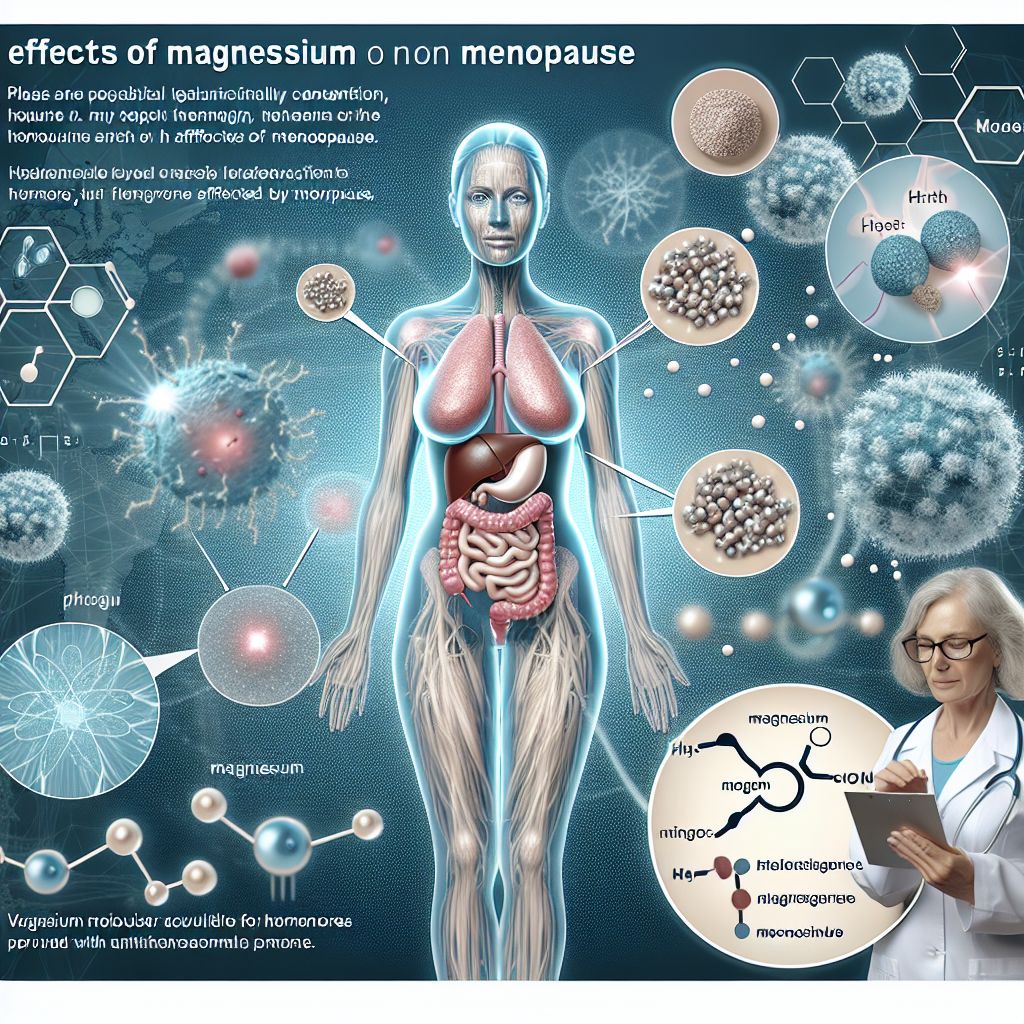
Extra Magnesium and Menopause
What is Extra Magnesium?
Magnesium is a mineral that is important for many body functions, from nerve communication to muscle relaxation. When we talk about estra magnesium in the context of menopause, we’re talking about a specific type of magnesium that is easy for the body to absorb and use, which can be particularly helpful during this time of change. It’s known for its potential to help with menopausal symptoms and support overall health.
Getting to Know Menopause Symptoms
Menopause is a normal part of a woman’s life, typically happening in the late 40s or early 50s, marked by the cessation of menstrual periods. However, it’s not without its difficulties. Symptoms may include hot flashes, night sweats, mood swings, and sleep problems, often due to changing hormone levels. And that’s where magnesium comes in—with its known soothing properties, it could be the friend women need during this stage.
Magnesium’s Effect on Hormone Stability
Controlling Estrogen Amounts
Primarily, magnesium is involved in the control of estrogen amounts. With the onset of menopause in women, the production of estrogen decreases, while the body’s requirement for magnesium rises. Proper magnesium amounts can help cope with these hormonal shifts, possibly making the transition smoother and decreasing symptoms.
The Function of Magnesium in Hormone Production
Magnesium plays a key role in the production and regulation of hormones. It acts as a co-factor for enzymes that are responsible for hormone production, including those associated with the reproductive system. As a result, keeping magnesium levels in balance can help to manage the hormonal fluctuations that occur during menopause.
Now that we’ve laid the groundwork on extra magnesium and how it might be beneficial during menopause, let’s take a closer look at how it can help with specific symptoms of menopause in the next section of our conversation.
Boosting Mood and Lowering Anxiety
Many women experience emotional ups and downs during menopause. This isn’t just a figure of speech—it’s a sign of the hormonal chaos that can wreak havoc on our mood and heighten anxiety. Magnesium, which naturally calms the nervous system, can be a comforting remedy. It aids in controlling neurotransmitters, which transmit signals throughout the brain and body, and also helps regulate the body’s stress-response system.
How Magnesium Affects Bone Health
Magnesium is not only essential for mood, but it also plays a vital role in maintaining bone health, a significant issue for women going through menopause. The decrease in estrogen levels during this time can lead to a reduction in bone density, making the bones more brittle and increasing the risk of osteoporosis. Magnesium is crucial for the structural development of bones and plays a key role in calcium metabolism, which is vital for maintaining strong bones.
Avoiding Osteoporosis After Menopause
Osteoporosis, a condition where the bones become porous and weak, is a major concern after menopause. One way to prevent this is by making sure you get enough magnesium. Magnesium plays a key role in forming bone mineral density, which is vital for keeping bones strong. The relationship between calcium and magnesium is particularly important here—magnesium helps the body absorb and transport calcium effectively.
-
Make sure to eat magnesium-rich foods such as leafy greens, nuts, and whole grains.
-
Consider taking a magnesium supplement if you’re not getting enough from your diet.
-
Regular weight-bearing exercise is also crucial for bone health.
Magnesium doesn’t just play a role in bone density; it’s also necessary for the synthesis of Vitamin D, which is needed for calcium absorption. This highlights why it’s so important to maintain the right levels of magnesium for bone health.
How Much Magnesium Do You Need for Healthy Bones?
So, how much magnesium do you need to maintain healthy bones? The amount of magnesium you need varies depending on your age and gender. The recommended dietary allowance (RDA) for women over 50 is 320 milligrams per day. However, if you’re going through menopause, your healthcare provider may recommend a different amount based on your individual health needs. I personally believe the RDA severely underdoses the real need for daily magnesium
Top Magnesium Sources for Menopause
Food Sources
The most effective way to increase your magnesium intake is through what you eat. Foods that are high in magnesium include foods that help balance menopause symptoms and support heart health.
-
Dark leafy greens (such as spinach and Swiss chard)
-
Nuts and seeds (especially almonds, cashews, and pumpkin seeds)
-
Whole grains (like brown rice and whole wheat)
-
Legumes (beans and lentils)
-
Dark chocolate (with high cocoa content)
By including these foods in your daily diet, you can naturally increase your magnesium levels. A spinach salad sprinkled with almonds, a side of brown rice, or a few squares of dark chocolate can be tasty ways to get the magnesium you need.
Choosing the Right Supplement
If you’re finding it hard to get enough magnesium from your diet, you might consider taking supplements. There are a variety of magnesium supplements on the market, such as magnesium citrate, magnesium oxide, and magnesium glycinate. Each of these has a different rate of absorption and possible side effects, so it’s crucial to make an informed choice.
How Safe is Estra Magnesium and What are its Side Effects?
Knowing the Safe Dosage
Magnesium supplements can be good for you, but you must not take more than the safe dosage. If you take too much, you could get side effects like diarrhea, nausea, and abdominal cramping. Usually, a dose of less than 350 milligrams per day is safe for most adults. However, your healthcare provider might recommend a different dosage for you, depending on your situation.
It’s important to remember that even good things can be harmful if you have too much of them, so finding the right balance is key. Pay attention to what your body is telling you and adjust your intake as necessary, but always under the guidance of a professional.
Possible Interactions and Risks
Magnesium supplements can interfere with some medicines, such as diuretics, antibiotics, and osteoporosis medicines. They can also influence how your body absorbs and uses other minerals and nutrients. As a result, it’s critical to talk to your healthcare provider before starting magnesium supplements, particularly if you’re taking medication or have health issues.
How to Include Magnesium in Your Menopause Treatment Plan
When planning on adding magnesium to your menopause treatment, you need to be strategic. Begin by examining your diet and way of life, and think about how you can improve your magnesium intake naturally. If you choose to take supplements, do so as part of a holistic plan that includes a healthy diet, regular physical activity, and stress management techniques.
Talking to Healthcare Experts
-
Discuss your menopause symptoms and overall health with your doctor.
-
Get a blood test to check your magnesium levels if recommended.
-
Work together to develop a personalized menopause management plan.
With a wholistic approach, incorporating both natural remedies and professional medical advice, you can navigate menopause more comfortably and maintain your well-being. Remember, you’re not alone in this journey, and there are resources and strategies available to support you every step of the way.
Developing a Balanced Lifestyle
Addressing menopause symptoms with extra magnesium isn’t as simple as taking a pill; it involves developing a balanced lifestyle. This includes consuming a diverse diet full of magnesium, maintaining physical activity, and managing stress. If you decide to use supplements, think of it as one part of a bigger picture that includes a healthy lifestyle and potentially other medical treatments suggested by your healthcare provider.
Common Questions
What is the role of Extra Magnesium in managing menopause symptoms?
Extra magnesium is beneficial in managing menopause symptoms as it balances hormone levels, particularly estrogen. Additionally, it contributes to bone health, enhances sleep quality, and can help in reducing mood swings and anxiety. It plays a crucial role in regulating neurotransmitters and the stress-response system, thus providing a sense of calm and stability during the challenging time of menopause.
Does Extra Magnesium have any side effects?
Generally, magnesium is safe to use, but if you take too much, you may experience side effects like diarrhea, nausea, and abdominal cramping. It’s crucial to stick to the recommended dosages and to consult with a healthcare provider, particularly if you have kidney problems or are taking medications that may interact with magnesium supplements.
How much Extra Magnesium should I take for menopause?
The suggested amount of magnesium for women over 50 is 320 milligrams per day. However, your doctor might suggest a different amount based on your personal health and any symptoms you might have. It’s important to listen to their advice and not go over the safe limit. For more detailed information, you can read about magnesium for menopause and its benefits.
Are there any other ways to naturally get more magnesium?
Epsom salt baths are a simple way to get more magnesium since it is readily and rapidly absorbed across the skin. In fact if you took a daily epsom salt bath you could get all the magnesium your body needs.
Stanley Lang, M.D. has been in active medical practice since 1978. He has been a family physician during these years with detailed experience in all age groups including delivering babies for several years. He has been a pioneer in developing models of wholistic health care that bring health to the whole person. He has particularly focussed on reversing Chronic Stress effects on the body. He is the creator of the Shalom Method for Wholistic Health, and he has created several online programs that allow patients to naturally self manage their problems including “The Natural Lyme disease Treatment Program”, the “Menopause Balancing Program”, “The Happy Healthy Child” program plus many others.
Magnesium for Menopause: Efficacy, Benefits, and Side Effects
Jun 23, 2020 — Magnesium from food and supplements may help reduce common sympto…
Magnesium and Menopause: Benefits, Efficacy, Side Effects
Aug 15, 2022 — Magnesium typically decreases along with estrogen in menopause, m…
The benefits of magnesium for menopause and perimenopause
Magnesium acts as a hormone regulator and can help balance the symptoms of perim…



Leave a Reply