
Key Takeaways
-
Electromagnetic fields (EMF) from cell phones may impact brain cells and hormones.
-
Independent research suggests EMF can cause cellular damage, potentially worsening hot flashes.
-
Practical steps can reduce EMF exposure and possibly alleviate menopausal symptoms.
-
Being informed about cell phone use and EMF can empower you to make healthier choices.
-
Mindful use of technology is crucial, especially during menopause.
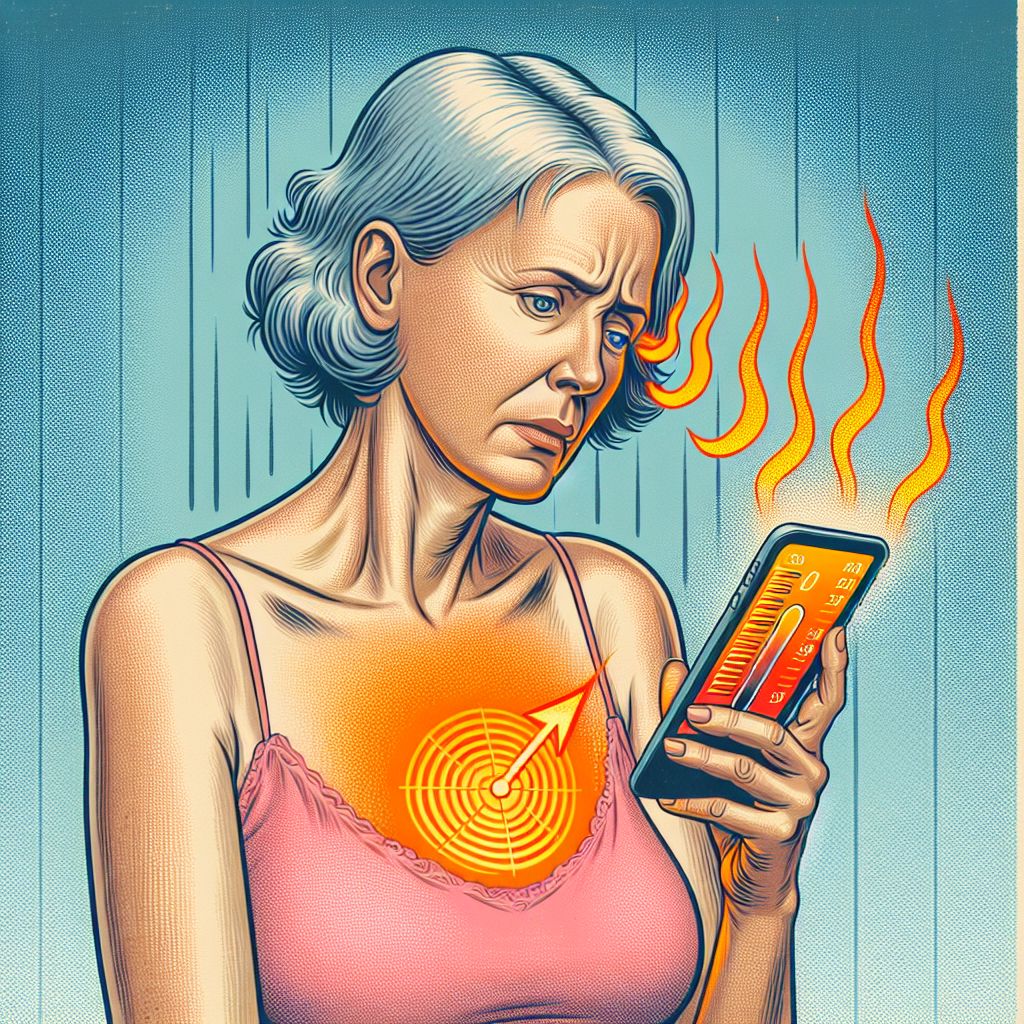
The Connection Between Cell Phones and Hormones
It’s a question that may have crossed your mind: Can my cell phone make my hot flashes worse? As a family doctor with over four decades of experience in seeking natural solutions for symptoms and diseases, I’ve come to understand the intricate ways our environment affects our health. The issue with cell phones and their ubiquitous use is the electromagnetic fields (EMF) they emit. There’s a growing concern that these fields could have a significant impact on our bodies, particularly on brain cells and hormone-producing cells.
Understanding EMF and Its Effects
Let’s break down what EMF really is. Electromagnetic fields are invisible areas of energy, often referred to as radiation, that are associated with the use of electrical power and various forms of natural and man-made lighting. Cell phones, in particular, emit a type of non-ionizing EMF. Although non-ionizing EMF is generally perceived as less harmful than ionizing radiation (like that from X-rays), there is evidence to suggest that it can still have adverse biological effects.
-
EMF can cause oxidative stress in cells, leading to damage.
-
Long-term exposure to EMF may disrupt cellular balance and critical chemical functions.
-
EMF exposure is linked to a variety of health concerns, from sleep disturbances to changes in brain activity.
How Cell Phones Affect Brain Cells
Brain cells are particularly sensitive to environmental changes. Cell phone EMF, because of its close proximity to our heads during calls or when carrying the device, can affect the delicate electrical balance that our neurons maintain. This is important because any disruption to brain cells can have a ripple effect, influencing other systems in the body, including those responsible for regulating hormones.
Linking Cell Phone Use to Hormonal Imbalance
So, how does this relate to hot flashes? Hot flashes are a common symptom of menopause, typically caused by hormonal imbalances, particularly of estrogen. These imbalances can affect the hypothalamus, the part of the brain that acts as the body’s thermostat. EMF exposure from cell phones may exacerbate this disruption, leading to an increase in hot flash frequency or severity.
The Role of EMFs in Hot Flash Episodes
Many of my patients experiencing menopause have reported an uptick in the frequency and intensity of their hot flashes. This anecdotal evidence prompted me to delve deeper into potential triggers, including EMF exposure from cell phones. Hot flashes are essentially sudden feelings of warmth, which are usually most intense over the face, neck, and chest. If EMFs from cell phones can indeed affect our brain’s thermostat, it stands to reason that they might trigger or worsen these episodes.
But why might this be the case? The hypothalamus, sensitive to hormone levels, is also responsive to various forms of stress, including the physiological stress that may be caused by EMFs. When we hold a cell phone close to our head, the EMF generated can cause a subtle, yet significant, increase in brain temperature, potentially confusing the hypothalamus and triggering a hot flash. Even without this temperature change there are mechanisms where EMF causes disruption to normal chemistry of these brain cells.
Research Findings: EMFs and Menopause
Independent research into the effects of EMF on menopause symptoms is still emerging. Some studies suggest that prolonged exposure to EMF can alter the function of the endocrine system, which is responsible for hormone production. This alteration could, in theory, impact the severity of menopausal symptoms, including hot flashes. While the research is not yet conclusive, the possibility that EMFs could influence menopause symptoms is a concern that deserves attention.
Practical Strategies to Minimize EMF Exposure
Given the potential risks, it’s wise to consider ways to minimize EMF exposure. This is especially true for individuals going through menopause, who may find their symptoms exacerbated by additional stressors. Reducing EMF exposure doesn’t require drastic lifestyle changes; instead, it’s about making smarter choices and small adjustments to daily habits.
Most importantly, you can start by creating distance between yourself and your devices. For example, when you’re not using your cell phone, keep it away from your body rather than in your pocket or bra. At night, store it away from your bed, ideally in another room, to limit exposure while you sleep. And ideally it should be off.
Smart Cell Phone Practices to Reduce Risks
When it comes to using your cell phone, there are several steps you can take to mitigate EMF exposure:
-
Use a hands-free headset or speakerphone to keep the device away from your head. Don’t use bluetooth headsets.
-
Text rather than call when possible.
-
Avoid using your cell phone when the signal is weak, as it emits more EMF when trying to connect.
-
Limit the length of your phone calls.
Using Technology Mindfully During Menopause
During menopause, it’s particularly important to be mindful of how you interact with technology. For instance, instead of scrolling through your phone before bed, which can expose you to EMF and disrupt your sleep, try reading a book or practicing relaxation techniques. This not only minimizes EMF exposure but also promotes better sleep, which can alleviate menopausal symptoms like hot flashes.
Moreover, consider the timing of your cell phone use. If you notice hot flashes occurring more frequently after prolonged phone use, try to modify your usage patterns. This could involve designating specific times of day for cell phone use or taking regular breaks from your device.
Empowering Yourself Through Knowledge and Choice
Understanding the potential impact of EMF on your health is the first step in making empowered decisions. By staying informed about the latest research and recognizing the signs of EMF sensitivity, such as increased hot flashes, headaches, or sleep disturbances, you can take proactive measures to protect your well-being.
Making Informed Decisions About Cell Phone Use
Armed with knowledge, you can decide how to best use your cell phone to minimize potential risks. This might mean switching to a low-EMF device or simply altering how you carry and use your current phone. It’s also important to stay up-to-date with the latest health guidelines and recommendations regarding EMF exposure.
Because every person’s sensitivity to EMF can vary, listen to your body and adjust your cell phone habits accordingly. If you notice a pattern of increased hot flash activity with more cell phone use, it may be time to reevaluate your relationship with your device.
Therefore, being proactive about your health during menopause includes being cautious with technology use. This doesn’t mean you have to give up your cell phone entirely, but rather use it in a way that prioritizes your health and comfort.
Alternative Communication Methods to Consider
Besides that, there are alternative methods of communication to consider that may help reduce EMF exposure. For instance, landline telephones produce significantly less EMF than cell phones. Using online messaging services on a computer connected to a wired internet connection can also be a safer alternative, as long as the computer is not on your lap or directly against your body.
Additionally, when at home or in the office, opt for a wired headset or earphones with your cell phone to keep it at a distance. Embracing these alternative methods can contribute to a reduction in your overall EMF exposure.
Empowering Yourself Through Knowledge and Choice
Understanding the potential impact of EMF on your health is the first step in making empowered decisions. By staying informed about the latest research and recognizing the signs of EMF sensitivity, such as increased hot flashes, headaches, or sleep disturbances, you can take proactive measures to protect your well-being
Frequently Asked Questions (FAQ)
Can reducing cell phone usage decrease the severity of hot flashes?
While there is no definitive answer, some people report a decrease in hot flash severity with reduced cell phone usage. It’s worth experimenting to see if this change makes a difference for you.
What are some signs that EMF exposure is affecting my health?
Common signs of EMF sensitivity include headaches, sleep disturbances, and increased stress levels. If you experience these symptoms, reducing EMF exposure may help alleviate them.
Are certain cell phones better than others for EMF exposure?
Yes, different cell phones emit varying levels of EMF. Look for phones with a lower specific absorption rate (SAR), which is a measure of the rate at which energy is absorbed by the human body when exposed to a radio frequency electromagnetic field.
How can I track my EMF exposure throughout the day?
You can use an EMF meter to measure exposure in different environments. Additionally, keeping a log of your cell phone usage and symptoms can help identify patterns.
Stanley Lang, M.D. has been in active medical practice since 1978. He has been a family physician during these years with detailed experience in all age groups including delivering babies for several years. He has been a pioneer in developing models of wholistic health care that bring health to the whole person. He has particularly focussed on reversing Chronic Stress effects on the body. He is the creator of the Shalom Method for Wholistic Health, and he has created several online programs that allow patients to naturally self manage their problems including “The Natural Lyme disease Treatment Program”, the “Menopause Balancing Program”, “The Happy Healthy Child” program plus many others.
Hot flashes are more dangerous than previously thought
Sep 27, 2023 — Hot flashes and night sweats may harm the brain, heart and more, …
Hot Flashes Getting Worse? Learn Why
Mar 14, 2024 — And if menopausal hot flashes weren’t bad enough, just when you’r…



Leave a Reply