
Key Takeaways
-
Menopause can trigger mental health challenges like mood swings, anxiety, and depression.
-
Establishing a consistent, healthy routine can provide stability and improve mental well-being.
-
Nutritional choices and regular physical activity are key to managing mood and stress levels.
-
Mindfulness and relaxation techniques can reduce menopause-related anxiety and stress.
-
Professional help should be sought if menopause symptoms significantly impact daily life.
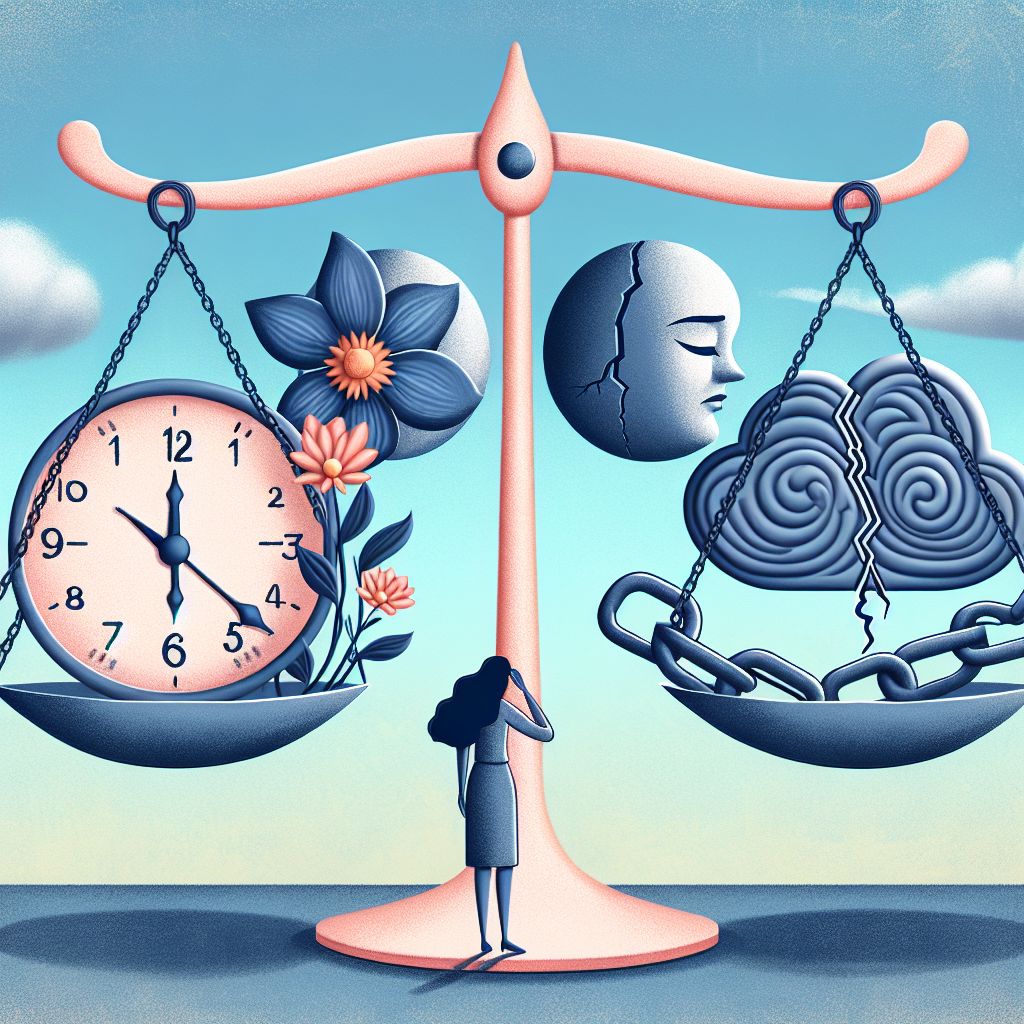
Menopause and Mental Health
When you find yourself at the threshold of menopause, it’s like standing at the edge of a cliff. Your body is about to undergo a transformation that can feel as dramatic as the shift from girlhood to womanhood. But this time, it’s different. Your once predictable cycles start to wobble, and so might your mental health. This is a natural part of aging, yet many of us are unprepared for the mental health challenges it can bring.
Understanding the Menopause Transition
Let’s talk about menopause. It’s not just a single event but a transition that can span several years, typically starting in your 40s. This phase, known as perimenopause, leads up to menopause, the point when you’ve gone a full year without a menstrual period. During this time, levels of estrogen and progesterone, two key hormones in your body, fluctuate wildly. This hormonal roller coaster can have a significant impact on your mental health.
Identifying Mental Health Challenges
As you navigate this transition, you might notice changes in your mood, anxiety levels, and overall emotional state. It’s important to know that you’re not alone. Many people experience new mental health challenges or find that existing issues become more pronounced during menopause.
Recognizing the Symptoms
Now, let’s dive into the signs. You might feel like you’re on an emotional seesaw, swinging from irritability to sadness, often without warning. Sleep disturbances, such as insomnia, can leave you feeling tired and on edge the next day. These symptoms are common and can be a normal part of the menopause transition.
Physical Changes and Emotional Impact
It’s not just your mind that’s affected. Physical symptoms like hot flashes and night sweats can play havoc with your emotions. Imagine trying to get through a day on little sleep while also dealing with sudden waves of heat. It’s no wonder that menopause can take a toll on your mental health.
Common Psychological Symptoms
Besides that, you might also experience:
-
Difficulty concentrating
-
A lack of motivation
-
Feeling overwhelmed or unable to cope with stress
-
Decreased self-esteem related to body image changes
These symptoms can be unsettling, but they’re a normal part of the process for many. Understanding what’s happening in your body can help you navigate these changes with greater ease.
Setting the Foundation for Mental Well-being
So, what can you do to take care of your mental health during menopause? First and foremost, establish a healthy routine. This means getting enough sleep, eating a balanced diet, staying active, and finding time to relax and recharge.
Here’s a simple list to help you create a solid foundation:
-
Sleep: Aim for 7-9 hours of quality sleep each night.
-
Nutrition: Focus on a diet rich in fruits, vegetables, range fed animal proteins, and healthy fats like butter and olive oil.
-
Exercise: Incorporate at least 30 minutes of moderate activity most days of the week.
-
Relaxation: Practice relaxation techniques daily, such as deep breathing or extended prayer.
By sticking to these basic principles, you’ll not only help stabilize your mood but also improve your physical health, creating a positive feedback loop that benefits your overall well-being.
Building a Support System
Having a strong support system is crucial during menopause. This means surrounding yourself with friends, family, or a community who understand what you’re going through and can offer a listening ear or a shoulder to lean on. Don’t hesitate to share your experiences with others. Joining a support group, either in-person or online, can connect you with people facing similar challenges, which can be incredibly validating and empowering.
Nutrition and Exercise for Mental Health
Eating well and staying active are not just good for your body; they’re essential for your mind, too. Nutrition and exercise can play a significant role in how you feel emotionally during menopause. By nourishing your body with the right foods and keeping it moving, you can help to manage some of the mental health challenges that come with this life stage.
Most importantly, because your body’s needs change during menopause, you might need to tweak your diet and exercise routines. This is not about dieting or pushing yourself to the limits; it’s about listening to your body and giving it what it needs to stay balanced and healthy.
Role of Diet in Mood Regulation
Let’s talk about food. What you eat can influence your mood and energy levels. For example, healthy fats like butter, olive oil and essential omega 3 fats are a friend to your mood, thanks to their ability to help regulate blood sugar levels. Include foods like like low glycemic vegetables, and legumes in your meals. These will help to stabilize both your blood sugar and your brain sugar as opposed to high glycemic carbs from grains and potatoes and the ever present sugar. Omega-3 fatty acids, found in fish like salmon and in flaxseeds, are also known to support brain health and may help with mood stabilization.
Exercise as a Natural Antidepressant
Exercise is like a natural antidepressant. It helps release endorphins, those feel-good hormones that can lift your spirits and provide a sense of well-being. A brisk walk, a dance class, or even gardening can count as exercise. The key is to find activities you enjoy, so it doesn’t feel like a chore. A thing to note though is that if you will commit to walking daily for a month, every day, it will no longer feel like a chore– it will feel like a long lost friend every time you start your walk. And remember, while intensity is important; it’s about consistency. Aim to move your body in ways that feel good to you most days of the week.
Managing Stress and Anxiety
Stress and anxiety can be significant during menopause, but there are ways to manage them. First, recognize your stressors. Is it work, family, health, or something else? Once you know what’s causing stress, you can begin to address it. Sometimes, it’s about setting boundaries or learning to say no. Other times, it might be about asking for help or finding new ways to manage your responsibilities.
Remember, stress is not just a mental issue; it can manifest physically too. Tension can build up in your body, leading to headaches, muscle pain, or stomach issues. Therefore, dealing with stress is vital for both your mental and physical health.
When you feel anxiety creeping up, take a moment to pause. Start to become aware of the situations that are consistently causing the stressful anxiety. In most cases you have options. You are not handcuffed to these situations. Change them. Use your freedom to choose a better path for yourself rather than just trying to adapt to the inevitable toxic environment. You probably were not meant to just adapt to somebody else’s toxic mess.
-
Identify stressors and develop strategies to manage them.
-
Practice saying no to reduce overwhelm.
-
Seek out activities that help release physical tension, like yoga or massage.
-
Use deep breathing techniques to manage acute anxiety.
Prayer and Relaxation Techniques
Prayer and relaxation techniques can be a game-changer for managing menopause-related stress and anxiety. Prayer involves paying attention to the present moment and bringing your relationship with God into it. This will always transform it. The supernatural always has ideas you never thought of and strength to move mountains. Relaxation techniques, such as progressive muscle relaxation or guided imagery, can also help calm your mind and reduce stress.
Creating a Balanced Lifestyle
Creating a balanced lifestyle is about more than just managing stress; it’s about finding joy and purpose in your daily life. This might mean picking up a new hobby, volunteering, or spending more time in nature. Look for activities that make you feel happy and fulfilled, and make time for them in your schedule. Balance also means not overcommitting yourself – it’s okay to take a step back and focus on self-care.
When to Seek Professional Help
If you find that the strategies you’re using aren’t enough to manage your menopause-related mental health challenges, it might be time to seek professional help. This is particularly important if your symptoms are severe or impacting your ability to function in your daily life. There’s no shame in asking for help – it’s a sign of strength to recognize when you need support.
Therapy and Counseling Options
Therapy and counseling can provide a safe space to explore your feelings and develop coping strategies. Cognitive-behavioral therapy (CBT), in particular, can be effective for managing mood swings and anxiety. It focuses on identifying and changing negative thought patterns that can contribute to emotional distress.
Support from a professional can also help you navigate the complex emotions that may arise from the physical changes you’re experiencing. Whether it’s body image issues or a sense of loss for your reproductive years, a therapist can help you work through these feelings.
Medications: Benefits and Considerations
Medications can also be an option for some during menopause. Hormone replacement therapy (HRT) can alleviate some of the physical symptoms that contribute to mental health challenges, while antidepressants can be prescribed for more severe mood disturbances. I strongly encourage you to avoid the antidepressants however unless you are in certifiably severe depression. These drugs which are often handed out like candy by various health care providers leave a very big footprint in your brain. You are much better off recovering from the depression without the drug. However, it’s essential to discuss the benefits and risks with your healthcare provider to make an informed decision that’s right for you.
Remember, menopause is a natural part of life, and with the right strategies, you can manage the mental health challenges it brings. Take it one step at a time, and don’t hesitate to reach out for support when you need it.
Empowerment during menopause is about taking control where you can. It’s about adapting your mindset to embrace this phase of life as an opportunity for growth and self-discovery. When you start to view menopause not as an ending but as a beginning, you open up new possibilities for personal fulfillment.
Frequently Asked Questions (FAQ)
You’ve got questions, and that’s a good thing. Knowledge is power, especially when it comes to your health. Let’s tackle some common questions about menopause and mental health.
What are the first signs of menopause affecting mental health?
The first signs can include mood swings, irritability, anxiety, and a decreased sense of well-being. You might also notice changes in your sleep patterns, like difficulty falling or staying asleep, which can affect your mood and energy levels throughout the day.
Can changes in diet really improve my mental state during menopause?
Absolutely. A balanced diet rich in essential nutrients can help stabilize your mood and energy levels. Focus on incorporating foods that are high in omega-3 fatty acids, fiber, and antioxidants. These can help combat inflammation, which has been linked to mood disorders, and provide sustained energy.
Example: Adding a daily serving of walnuts or almonds, which are high in omega-3s, to your breakfast can help improve brain function and mood.
Also, staying hydrated is crucial. Dehydration can make you feel sluggish and can increase irritability, so keep that water bottle handy.
How does exercise impact emotional well-being in menopause?
Exercise is a powerful tool for managing mental health. It releases endorphins, which have mood-boosting properties, and helps reduce stress and anxiety. Regular physical activity can also improve sleep, boost self-esteem, and increase energy levels.
When should I consider professional help for menopause-related mental health issues?
If your symptoms are affecting your ability to fulfill the responsibilities of your life, it’s time to seek professional help. This means you can’t do the critical things you must do on a daily basis. A mental health professional can work with you to develop a tailored plan to manage your symptoms effectively.
Are there any natural remedies to help cope with menopause symptoms?
Yes, there are natural remedies that some people find helpful. These include herbal supplements like black cohosh and red clover, adaptogens like Maca and Rhodiola as well as lifestyle changes such as practicing Chi Gong or acupuncture. Always consult with your healthcare provider before trying new supplements or therapies to ensure they’re safe and appropriate for your situation.
In conclusion, remember that menopause is a natural part of life. With the right strategies, you can manage the mental health challenges it brings. Take it one step at a time, and don’t hesitate to reach out for support when you need it. Your mental health is just as important as your physical health, so give it the attention it deserves.
Stanley Lang, M.D. has been in active medical practice since 1978. He has been a family physician during these years with detailed experience in all age groups including delivering babies for several years. He has been a pioneer in developing models of wholistic health care that bring health to the whole person. He has particularly focussed on reversing Chronic Stress effects on the body. He is the creator of the Shalom Method for Wholistic Health, and he has created several online programs that allow patients to naturally self manage their problems including “The Natural Lyme disease Treatment Program”, the “Menopause Balancing Program”, “The Happy Healthy Child” program plus many others.