
-
Menopause is a significant milestone in a woman’s life that often brings symptoms like hot flashes, mood changes, and sleep problems.
-
Stress can make menopause symptoms worse, so managing it is key to maintaining a good quality of life.
-
Mold in the home environment can make menopause symptoms worse by disrupting hormone balance and immune function.
-
Recognizing and dealing with mold problems is important to reducing menopause-related stress and health risks.
-
Practical steps like improving air quality and getting professional help can lessen the effect of mold on menopause.
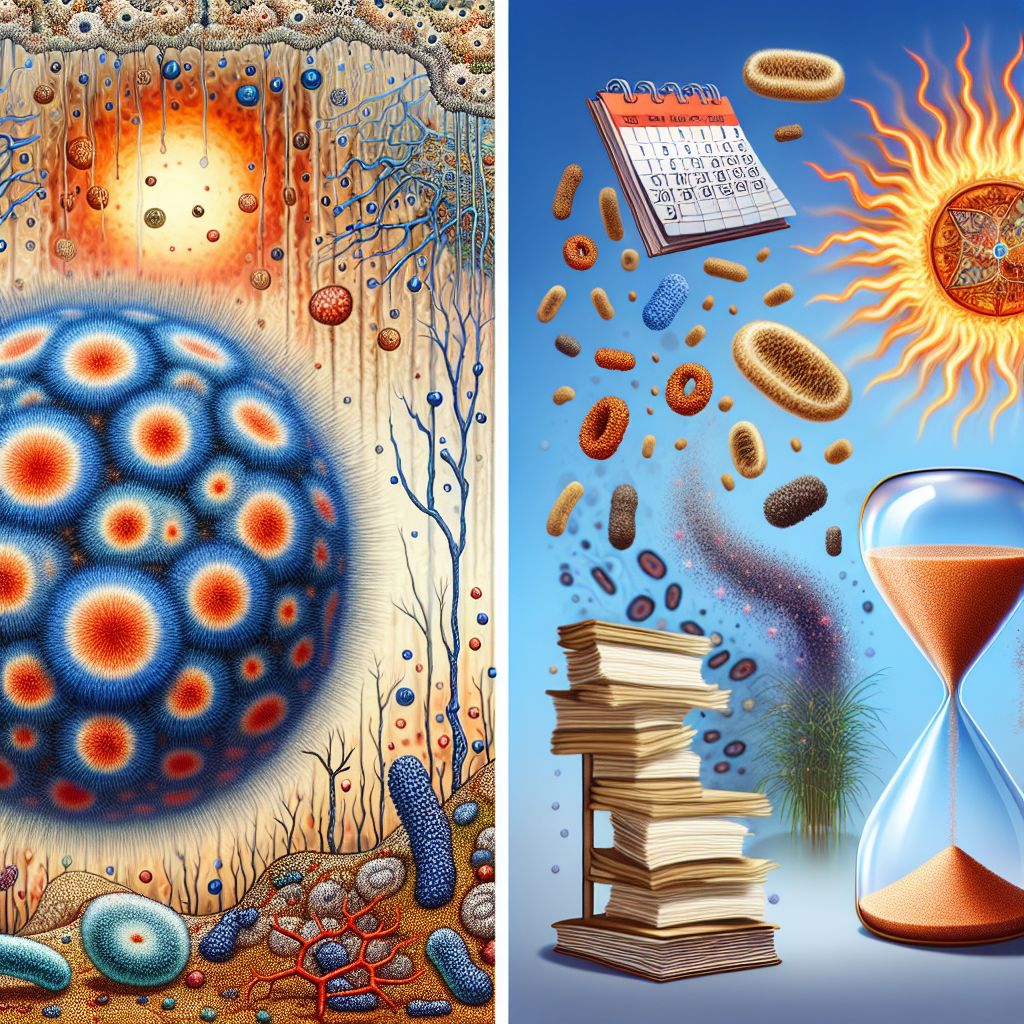
Understanding Menopause and Hormonal Instability
What is Menopause?
Menopause is a normal part of aging that usually happens in a woman’s late 40s to early 50s. It’s when the menstrual cycle stops, marking the end of the childbearing years. This change doesn’t happen all at once but is a gradual process, called perimenopause, leading up to the end of periods.
Typical Hormonal Shifts During Menopause
When menopause hits, the ovaries slow down their production of estrogen and progesterone, the hormones that control menstruation. This hormonal shift can cause a variety of symptoms, such as hot flashes, night sweats, mood swings, and changes in sexual desire, to name a few. The intensity and length of these symptoms can differ greatly from woman to woman.
How Hormonal Changes Can Affect Your Body
Menopause can cause hormonal changes that affect more than just your menstrual cycle. These changes can also affect your bone density, heart health, and even your brain function, causing memory problems or difficulty concentrating. That’s why it’s so important to understand not just what menopause is, but how it can affect your overall health.
How Stress and Menopause Symptoms are Linked
Most significantly, stress is known to worsen menopause symptoms. When the body is stressed, it releases cortisol, which can further disrupt the hormonal balance during menopause. This can lead to a vicious cycle, where symptoms lead to stress, which then worsens the symptoms.
What Triggers Stress During Menopause?
There are many triggers for stress during menopause. These can be physical, such as disruptions in sleep, or emotional, like fears about getting older. Changes in lifestyle and personal situations, such as looking after elderly parents or coping with empty nest syndrome, can also add to the level of stress.
Handling Stress to Reduce Menopausal Discomfort
Consequently, handling stress is a crucial aspect of comfortably getting through menopause. Techniques like deep breathing exercises, meditation, regular exercise, and keeping a social support network can all contribute to stress reduction. In addition, making sure to get enough sleep and eat properly are basic steps in managing menopausal symptoms.
How Cortisol Affects Stress in Menopause
Cortisol, also known as the “stress hormone,” plays a crucial role during menopause. Elevated cortisol levels can interfere with sleep, weaken the immune system, and lead to weight gain. Controlling stress can help balance cortisol levels, thus alleviating symptoms of menopause.
The Unseen Danger of Mold and Mold Spores
In addition to the common symptoms of menopause, there is an unseen danger that can exacerbate your symptoms: mold and mold spores. These unwanted intruders flourish in moist, warm environments and can be found hiding in many homes, usually out of sight. Their existence can cause a variety of health problems, especially for women experiencing menopausal transitions.
-
Exposure to mold can throw off your hormonal balance and make your menopause symptoms worse.
-
Health risks associated with mold include respiratory problems, allergies, and a weakened immune system.
-
Addressing mold problems can help manage your menopause symptoms and improve your overall health.
When you breathe in mold spores, you can have allergic reactions and respiratory problems. For a woman who is already dealing with hormone fluctuations, the added stress on her body from fighting these reactions can make her menopause symptoms feel worse.
So, it’s crucial to understand the possible health effects of mold and deal with it as soon as possible.
Recognizing Mold in Your House
Before you can fight mold, you need to know if it’s in your house. You can usually tell if there’s mold by a musty odor or if you see it on walls, ceilings, or other surfaces. Mold is usually found in places that are often damp, like bathrooms, kitchens, and basements. It’s important to check these places often, especially if your menopause symptoms are worse than usual.
The Health Dangers of Mold Exposure
Being exposed to mold can be a health hazard, especially for those experiencing menopause. Exposure to mold can result in:
-
Issues with breathing, such as a cough or trouble catching your breath
-
Reactions that are allergic in nature, like sneezing, a runny nose, or eyes that itch
-
A compromised immune system that leaves you more open to infections
-
Accelerated osteoporosis
Research has shown that being exposed to mold for a long period of time can have a significant impact on the quality of indoor air and can lead to the development of conditions that affect the respiratory system, which underscores the importance of living in an environment that is free of mold.
It’s not just about the symptoms that you experience right away; being exposed to mold over a long period of time can have serious implications for your health, including conditions that affect the respiratory system on a chronic basis and challenges that are ongoing with the immune system.
Getting Rid of Mold and Keeping Your Home Clean
It is important to remove mold from your home to stay healthy during menopause. Begin by fixing any water leaks or damp areas, as these are perfect environments for mold. Use dehumidifiers in damp places and make sure your home is properly ventilated. Regular cleaning with mold-killing solutions can stop mold from growing.
The Impact of Household Mold on Menopause Symptoms
Menopause is already a challenging time, and having mold in your environment can make it even more difficult. Mold can imitate and increase the symptoms of menopause, making it difficult to tell whether your symptoms are due to hormonal changes or exposure to mold.
How Mold Exposure Symptoms Can Be Mistaken for Menopause
Exposure to mold can lead to symptoms like fatigue, headaches, and joint pain, which are also common symptoms of menopause. This overlap can cause confusion and misdiagnosis, making it harder to identify and address mold-related health problems.
How Mold Contributes to Sleep Problems During Menopause
Menopause can interfere with your sleep, and mold can, too. Mold exposure has been associated with sleep issues because of its effect on respiratory health. If you’re waking up in the middle of the night coughing or having difficulty breathing, it’s worth looking into whether mold could be part of the problem.
Long-Term Effects of Mold Exposure During Menopause
Being exposed to mold for a long time during menopause can make hormonal imbalances and stress on the body worse, which can potentially lead to more serious health problems. It’s not just about the short-term discomfort; the effects can last much longer than the menopausal years, impacting overall health.
How to Fight Mold and Soothe Menopause Symptoms
For the sake of your health and to soothe menopause symptoms, you need to be proactive in fighting mold in your environment. This means both tackling any current mold problems and stopping new ones before they start.
Improving Indoor Air Quality
Improving the quality of air in your home is a major step. This can be done by using air purifiers, changing HVAC filters on a regular basis, and maintaining humidity levels. Plants like peace lilies and spider plants can also help to purify the air naturally.
Changing Your Diet to Boost Your Immune System
In addition to the above, you can also help your immune system fight off the effects of mold exposure by changing your diet. Eating foods that are high in antioxidants, like berries and leafy greens, can help strengthen your body’s immune system. Foods that are high in probiotics, such as yogurt and fermented vegetables, can also help support a healthy immune response.
Key Takeaways
-
Menopause can be a difficult time due to hormonal changes, and these difficulties can be made worse by environmental factors like mold.
-
Managing stress and controlling your environment are crucial to relieving menopause symptoms.
-
Exposure to mold can disrupt the balance of hormones and immune function, leading to worse menopause symptoms.
-
Identifying and getting rid of mold in your home is crucial for maintaining health during menopause.
-
Practical steps like improving the quality of indoor air and making changes to your diet can support immune health and reduce menopause symptoms.
When to Seek Professional Help
If you’ve taken steps to improve the air quality in your home and manage stress, but your menopause symptoms continue or get worse, it may be time to seek professional help. A healthcare provider can offer guidance on further testing for exposure to mold or other underlying health problems. Don’t hesitate to ask for support—it can make all the difference in your menopausal journey.
Frequently Asked Questions
Can exposure to mold really impact my hormonal balance?
Yes, being exposed to mold can indeed impact your hormonal balance. Molds create mycotoxins that can throw off your endocrine system, causing hormonal imbalances that might make your menopause symptoms worse.
What are the initial symptoms of mold-related issues during menopause?
The initial symptoms of mold-related issues during menopause can include breathing problems, unexplained allergic reactions, and intensified menopause symptoms such as hot flashes and mood changes.
How can I check my home for mold?
You can check your home for mold using a mold test kit that you can buy at most hardware stores. If you think you have a serious mold problem, you might want to hire a professional to do a complete inspection and testing.
Do certain molds pose a greater risk during menopause?
Although all molds can be problematic if they exist in large amounts, black mold (Stachybotrys chartarum) is especially infamous for its health hazards, including menopause.
Can making the air in your home better help with menopause symptoms?
Yes, making the air in your home better can help with menopause symptoms. This is especially true if mold exposure is making your symptoms worse.
Wrapping up, we must pay close attention to our surroundings as we deal with the intricacies of menopause. Mold, which is frequently ignored, can quietly exacerbate menopause symptoms. By recognizing the relationship between mold exposure and hormonal health, we equip ourselves with the tools necessary to create healthier living environments and easier menopause transitions.



Leave a Reply