
-
Menopause can disrupt sleep, but addressing gut health may improve sleep quality.
-
Probiotics from fermenting foods and prebiotics are essential for maintaining a balanced microbiome.
-
Regular exercise, stress reduction, and dietary adjustments support microbiome health.
-
Herbal remedies and sleep hygiene can naturally aid sleep during menopause.
-
Tracking your sleep and diet can help adjust strategies for better restorative sleep.
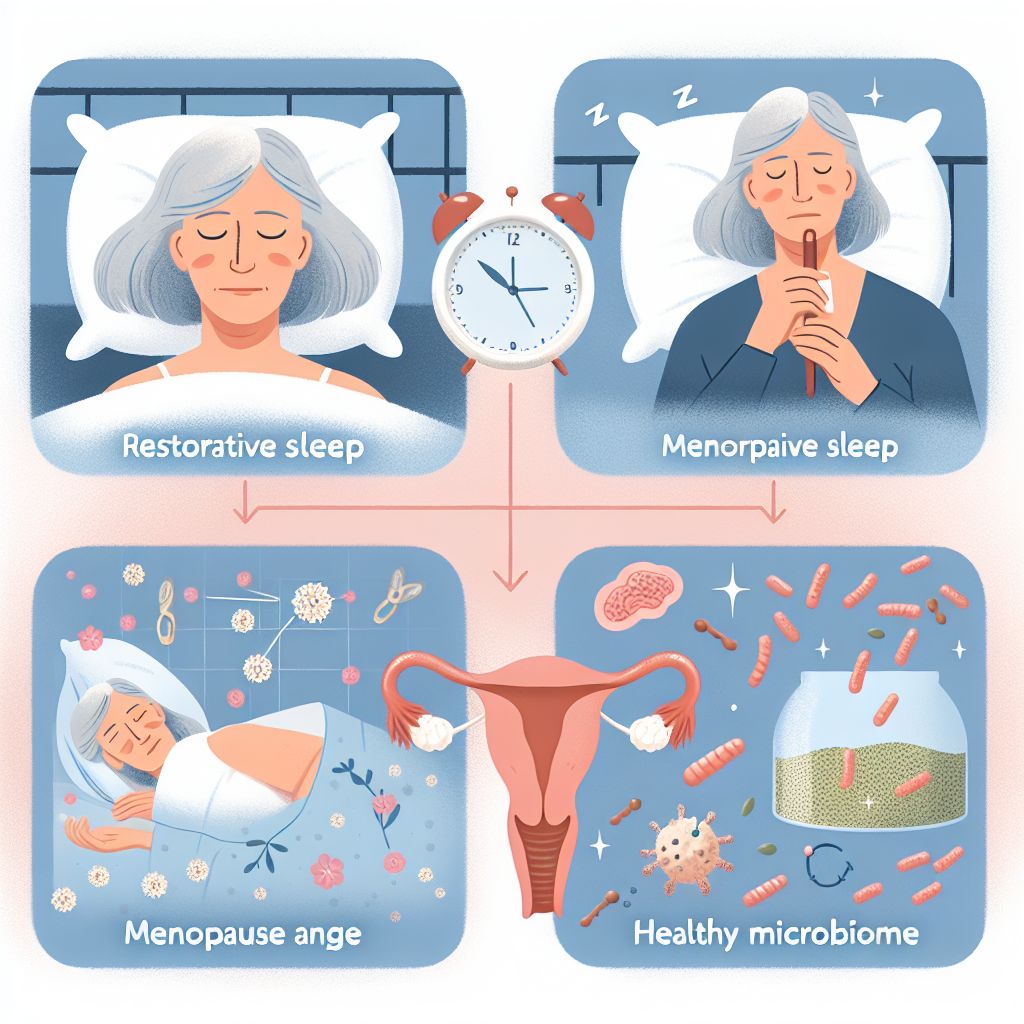
The Significance of Microbiome Health During Menopause
If you’re going through menopause or peri-menopause and struggling with sleep, you’re not alone. The key to unlocking better sleep may lie within an unexpected place: your gut. I am referring to the microbiome, the community of bacteria living in your digestive system. These tiny organisms play a huge role in your overall health, including sleep quality.
Understanding the Gut-Brain Connection
First, let’s dive into how your gut and brain talk to each other. This communication happens via the gut-brain axis, a two-way street where your gut bacteria send and receive signals to and from your brain. It’s like a constant conversation, and when it’s positive, it can lead to great sleep. However, during menopause, hormonal changes can magnify all the imbalance that has accumulated to that point and really disrupt this chat, which can lead to sleep issues.
How Hormonal Changes Impact Your Microbiome
Menopause brings a shift in hormones like estrogen and progesterone, which don’t just affect your reproductive system—they also influence your gut bacteria. These hormonal changes can upset the balance in your microbiome, leading to a whole host of issues, including poor sleep. Therefore, managing your microbiome health, which is always important for good healh, becomes even more crucial during menopause.
The Role of the Microbiome in Managing Stress and Anxiety
Besides that, your microbiome has a role in managing stress and anxiety. Stress can exacerbate menopause symptoms, including sleep problems. By nurturing your gut health, you can help reduce stress levels, which in turn can lead to better sleep. Now, let’s explore how to identify if your microbiome might be out of balance.
Identifying the Symptoms of an Unbalanced Microbiome
How do you know if your microbiome is unbalanced? Pay attention to your body. Some signs are more obvious, like digestive discomfort. Even mildly irregular bowel activity is a sign your biome is out of balance. Others are less direct, like the quality of your sleep. Here are a few symptoms to watch for:
Common Digestive Issues Linked to Microbiome Imbalance
These can range from bloating and gas to more severe issues like IBS. If you notice changes in your digestion, it could be a sign that your microbiome needs some TLC.
Sleep Disturbances and Their Relation to Gut Health
Poor sleep can be both a cause and a symptom of an imbalanced microbiome. If you find yourself tossing and turning or waking up still tired, it might be time to consider your gut health. Ask yourself what you ate the day before that might have caused your symptoms. Not surprisingly, your intuition will often key you right into the food or drink that is the problem
Recognizing Other Signs of Microbiome Disruption
Other signs might include skin issues, mood swings, and a general feeling of being unwell. These symptoms can indicate that your microbiome—and consequently your sleep—may benefit from some support.
Probiotics and Prebiotics: Allies in Menopause Management
So, how do you support your microbiome? The answer lies in probiotics and prebiotics. These are the good guys that help keep your gut bacteria balanced and happy.
The Difference Between Probiotics and Prebiotics
Probiotics are live bacteria that add to the population of good bacteria in your gut. Prebiotics, on the other hand, are a type of fiber that feed those good bacteria. You need both to maintain a healthy microbiome. By far the best probiotics are those that are actively growing in the fermenting food you are eating.
Top Probiotic Foods to Incorporate into Your Diet
Here are some probiotic-rich foods to start including in your meals:
Yogurt, kefir, sauerkraut, kimchi, miso, and kombucha are all excellent choices. Just make sure they still contain the original live cultures!
Prebiotic Choices to Promote Gut Flora Balance
For prebiotics, aim to eat more:
-
Bananas
-
Garlic
-
Onions
-
Leeks
-
Asparagus
-
Actually, almost any fruit or vegetable or legume.
These foods are not just nutritious; they’re prebiotic powerhouses that can help your good bacteria thrive.
Lifestyle Modifications for Better Microbiome Health
Now that we’ve covered the basics of probiotics and prebiotics, let’s look at lifestyle changes that can help improve your microbiome health. It’s not just about what you eat; it’s also about how you live your day-to-day life.
-
Engage in regular physical activity.
-
Eat a balanced diet rich in fiber and low in processed foods. Preferably zero in processed foods since all of those chemicals damage the most sensitive bacteria in your biome.
-
Manage stress through sustained prayer, Chi Gong, or other relaxation techniques.
-
Ensure adequate sleep to give your body time to recover and maintain gut health.
-
Avoid unnecessary antibiotics that can disrupt your microbiome balance.
These steps are not just good for your gut; they’ll also help you sleep better. Let’s break them down further.
Importance of Regular Exercise and Movement
Exercise isn’t just great for your waistline; it also helps your gut. Regular movement can improve digestion and even boost the diversity of bacteria in your microbiome. Aim for at least 30 minutes of moderate exercise most days of the week. It could be anything from a brisk walk to a dance class—find something you enjoy that gets your heart pumping!
Dietary Adjustments for Optimal Gut Health
What you eat has a profound effect on your gut bacteria. A diet rich in fruits, vegetables, and legumes provides the fiber that your gut microbes need to thrive. On the other hand, too much sugar, man made fat, and processed food WILL DEFINITELY lead to an imbalance, affecting not just your gut but also your sleep. Try to fill your plate with a rainbow of plant-based foods and animal based proteins to keep your microbiome—and your sleep—in check.
Here is a review of a few quick tips for dietary adjustments:
-
Increase your intake of fiber-rich foods like beans, berries, and leafy greens.
-
Limit high-sugar and high-fat foods that can disrupt your gut balance.
-
Stay hydrated by drinking plenty of water throughout the day.
Stress-Reduction Techniques That Benefit the Microbiome
Chronic stress can wreak havoc on your gut, leading to inflammation and other issues. To protect your microbiome, it’s essential to find effective ways to manage stress. A 30 minute outdoor walk is the most powerful “wholistic” activity you can do for your gut. Just taking time to relax with a book can help keep your stress levels—and your gut bacteria—in balance.
Remember, a calm mind often leads to a calm gut, and a calm gut is more likely to grant you the restorative sleep you need.
Natural Sleep Aids to Support Menopause Management
While lifestyle changes are fundamental, there are also natural sleep aids that can help you get the restorative sleep you need during menopause and peri-menopause. Most of the herbal aids do not disrupt restorative sleep like the prescription sleeping pills do.
Better Sleep Hygiene Practices for Menopause and Peri-Menopause
Sleep hygiene refers to the habits and practices that are conducive to sleeping well on a regular basis. Here are some sleep hygiene practices to consider:
-
Stick to a consistent sleep schedule, even on weekends.
-
Create a relaxing bedtime routine to signal your body it’s time to wind down.
-
Keep your bedroom dark, quiet, and cool to foster a sleep-friendly environment.
-
Avoid caffeine and heavy meals close to bedtime.
-
Limit screen time 2 hours before bed, as the blue light can disrupt your natural sleep cycle and the EMF disturbs your pineal gland which makes melatonin for sleep.
These simple changes can make a significant difference in the quality of your sleep during this phase of life.
Herbal Remedies That Enhance Sleep Quality
Herbs have been used for centuries to promote relaxation and sleep. Some popular herbal remedies that may help improve sleep during menopause include:
-
Valerian root, which has been shown to improve sleep quality.
-
Chamomile, known for its calming effects.
-
Lavender, which can reduce anxiety and promote relaxation before bedtime.
-
Kava is the most potent especially when combined with melatonin.
Before adding any herbal supplements to your routine, it’s wise to consult with a healthcare provider, especially if you’re taking other medications.
When to Consider Professional Help for Sleep Issues
If you’ve tried lifestyle and natural remedies and still struggle with sleep, it might be time to seek professional help. Persistent sleep issues can be a sign of underlying health problems that need to be addressed. A healthcare provider can help you explore other treatment options, which may include hormone therapy or other medications.
Never underestimate the impact of good sleep on your overall health, especially during menopause and peri-menopause. If sleep issues are affecting your quality of life, professional help can be invaluable.
Tracking Progress and Adjusting Your Strategy
As you implement these strategies, it’s helpful to track your progress. Keeping a journal can help you notice patterns and identify what works for you. Write down your sleep patterns, what you eat, how you exercise, and your stress levels. This record will help you make informed decisions about your health.
Keeping a Sleep and Diet Journal
Start a journal today and track the following:
-
Your sleep times and quality.
-
Food and drink intake, with a focus on probiotic and prebiotic-rich foods and what you ate the day before.
-
Your exercise routines and how you feel afterward.
-
Stress levels and what may be causing stress.
This information will be incredibly valuable in understanding how your lifestyle affects your sleep and overall health.
Menopause and peri-menopause are significant phases in a woman’s life that can bring about various challenges, including sleep disturbances. By focusing on gut health through dietary changes, lifestyle modifications, and natural remedies, you can greatly improve your sleep quality. Remember, small steps can lead to big changes, and the journey to restorative sleep begins with understanding and nurturing your microbiome.
Tracking Progress and Adjusting Your Strategy
It’s essential to recognize that improving sleep during menopause is not a one-size-fits-all solution. It’s a personal journey that requires monitoring and tweaking as you go along. To ensure you are on the right track, consider exploring supplements for insomnia in menopause, which can complement your strategy for the best restorative sleep results.
By keeping a detailed record of your daily habits and their effects on your sleep, you can pinpoint what’s working and what isn’t. This ongoing process is crucial to developing a sleep strategy that truly works for you during menopause and peri-menopause.
Keeping a Sleep and Diet Journal
Begin by documenting your sleep patterns and dietary intake in a journal. Note the times you go to bed and wake up, the quality of your sleep, and any nighttime awakenings. Alongside this, keep a log of your daily meals, particularly noting the intake of probiotic and prebiotic-rich foods. This practice can reveal correlations between your diet and sleep quality, guiding you to make more informed choices for your gut and sleep health.
Interpreting Your Body’s Signals and Making Necessary Changes
Your body communicates with you through signals, and it’s vital to listen. If you’re experiencing digestive discomfort or persistent fatigue, these could be signs that your microbiome and sleep strategies need adjusting. Use your journal to help identify these signals and make the necessary changes, whether it’s tweaking your diet, modifying your exercise routine, or enhancing your sleep environment.
As you make changes, pay close attention to how your body responds. You may find that certain foods or habits have a more significant impact than others. It’s all about finding the right balance for your unique needs.
Milestone Check-ins: Evaluating the Effectiveness of Your Approach
Set regular intervals, perhaps monthly, to review your journal and evaluate your progress. Ask yourself questions like: “Am I sleeping better?” “Do I feel more rested?” “Have my digestive symptoms improved?” This reflective practice can help you see the big picture and decide if your current strategy is moving you in the right direction or if further adjustments are needed.
FAQ
As you embark on this journey to better sleep during menopause, you might have some questions. Here are some answers to common queries about restorative sleep and menopause.
What is the microbiome and why does it matter during menopause?
The microbiome is the collection of microorganisms, including bacteria, that live in your digestive system. During menopause, hormonal changes can disrupt the delicate balance of these microbes, leading to a range of symptoms, including sleep disturbances. A healthy microbiome is essential for maintaining overall health, mood regulation, and especially restorative sleep during this life stage.
Can probiotics help with sleep problems during menopause?
Yes, probiotics can be beneficial. They help balance your gut microbiome, which in turn can improve sleep quality. By far the most effective probiotics can be found in fermented foods like yogurt, kefir, and sauerkraut, or as supplements. However, it’s important to choose the right strains. I recommend going to www.culturedfoodlife.com to get all the resources you need to get started.
What lifestyle changes are recommended to improve microbiome health?
To improve your microbiome health, consider these lifestyle changes:
-
Incorporate a variety of high-fiber foods into your diet to feed the good bacteria in your gut.
-
Engage in regular physical activity to promote a diverse microbiome.
-
Manage stress through sustained prayer or relaxation techniques, which can positively affect gut health.
-
Get plenty of restorative sleep, as a lack of sleep can negatively impact the microbiome—which is of course what this post is all about.
Many women find that their sleep patterns begin to change during menopause and peri menopause. Issues such as insomnia, night sweats, and frequent awakenings can disrupt sleep and lead to fatigue and irritability. It’s important to address these issues, as good sleep is essential for overall health and well-being. Strategies such as maintaining a cool bedroom environment, establishing a regular sleep schedule, and avoiding stimulants before bedtime can be helpful. For more detailed guidance, women may benefit from understanding the relationship between sleep and sleep disorders in the menopausal transition.
Stanley Lang, M.D. has been in active medical practice since 1978. He has been a family physician during these years with detailed experience in all age groups including delivering babies for several years. He has been a pioneer in developing models of wholistic health care that bring health to the whole person. He has particularly focussed on reversing Chronic Stress effects on the body. He is the creator of the Shalom Method for Wholistic Health, and he has created several online programs that allow patients to naturally self manage their problems including “The Natural Lyme disease Treatment Program”, the “Menopause Balancing Program”, “The Happy Healthy Child” program plus many others.