
-
Essential fatty acids, particularly Omega-3s, can alleviate menopausal symptoms.
-
Alpha-Linolenic Acid (ALA) supports brain health and mood regulation during menopause.
-
Linoleic Acid (LA) is beneficial, but its ratio to ALA should be balanced to prevent inflammation.
-
Fish oil supplements can be a part of a menopause-supportive diet, even though they aren’t classified as ‘essential’.
-
Adopting a diet rich in essential fatty acids can lead to long-term health benefits for menopausal women.
Menopause is a natural phase in a woman’s life, but it doesn’t have to be a struggle against uncomfortable symptoms. In fact, nature has provided us with powerful tools to manage this transition more smoothly, and one of the most effective tools are essential fatty acids.
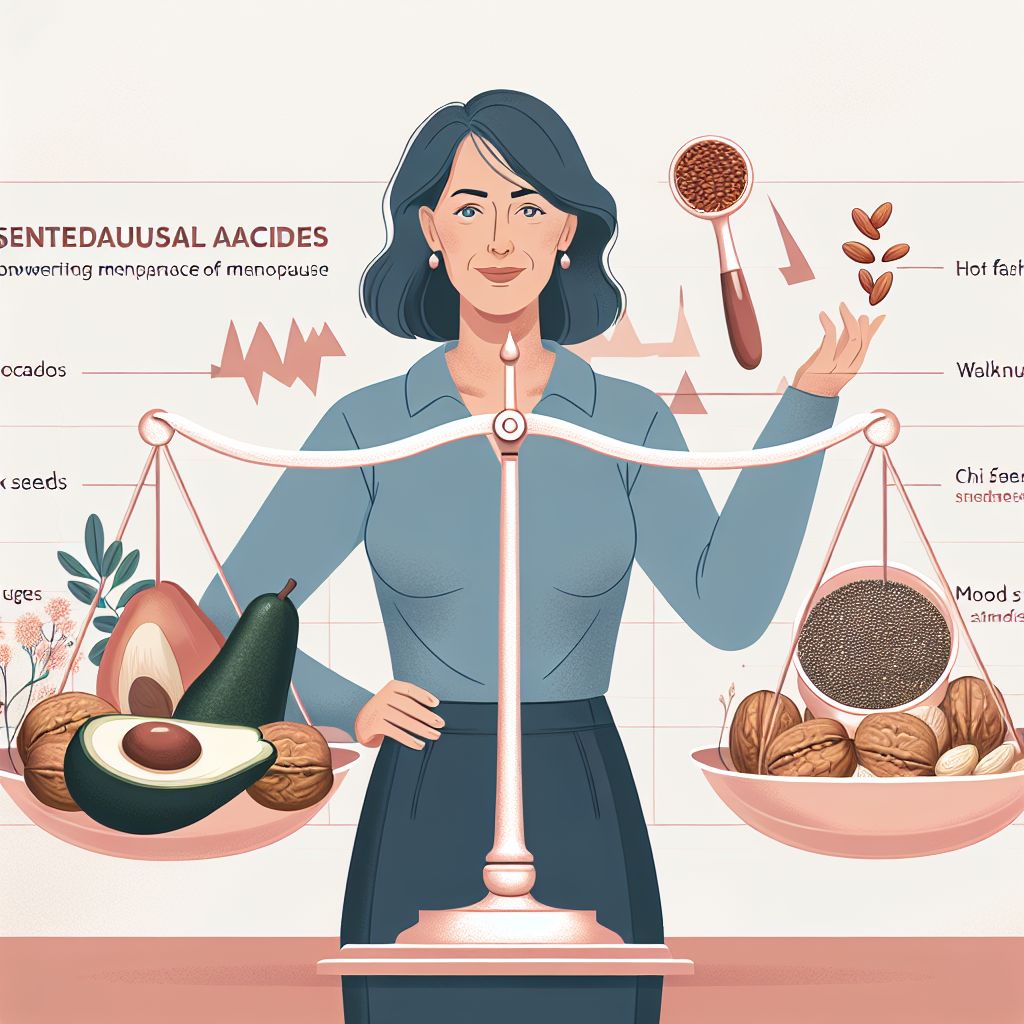
Understanding Essential Fatty Acids and Menopause
Before we dive into the specifics, let’s understand what essential fatty acids are. These are fats that your body needs but can’t produce on its own, meaning they must come from your diet. They’re the building blocks of fats, which are crucial for various bodily functions, including hormone production—a key factor in menopause management.
What Are Essential Fatty Acids?
There are two types of essential fatty acids: Omega-3 and Omega-6. Both are vital for health, but they serve different purposes. Omega-3 fatty acids, especially, are known for their anti-inflammatory properties, which can be particularly beneficial during menopause, a time when inflammation can contribute to symptoms like hot flashes and joint pain. Some health “experts” demonize all Omega-6 but as long as it is in the right ratio it is, well, “essential” for good health.
Why Menopause Demands a Closer Look at Essential Fats
During menopause, your body goes through significant hormonal changes, which can lead to a variety of symptoms. These can include mood swings, memory lapses, and even increased risk for chronic conditions like heart disease and osteoporosis. Essential fatty acids can help manage these symptoms and reduce the risks associated with menopause.
The Importance of ALA (Alpha-Linolenic Acid)
Let’s talk about Alpha-Linolenic Acid, or ALA. This Omega-3 fatty acid plays a critical role in maintaining brain health, which is particularly important for menopausal women who may experience ‘brain fog’ or memory challenges.
ALA’s Role in Brain Health During Menopause
ALA is known for its neuroprotective properties. It helps build cell membranes in the brain, which is essential for cognitive function. As estrogen levels decline during menopause, ALA can help protect the brain from the cognitive decline that some women experience.
But that’s not all. ALA is also a precursor to other Omega-3 fatty acids, such as EPA and DHA, which are direct contributors to brain health. This means that consuming enough ALA can lead to better brain function, sharper memory, and a more balanced mood.
Dietary Sources of ALA
You might be wondering where to get ALA. The good news is, it’s found in several tasty and easily accessible foods. Here are some top sources:
-
Flaxseeds and flaxseed oil
-
Chia seeds
-
Walnuts
-
Hemp seeds
-
Brussels sprouts
Incorporating these foods into your diet isn’t complicated. Add a sprinkle of ground flaxseed to your morning oatmeal, toss some walnuts into your salad, or blend chia seeds into your smoothie. Small changes can lead to big benefits.
Linoleic Acid (LA) and Its Significance
Now, let’s switch gears to Linoleic Acid (LA), an Omega-6 fatty acid. While Omega-6s are often maligned due to their association with inflammation, they’re still essential and beneficial when consumed in the right balance with Omega-3s.
Benefits of LA for Menopausal Women
LA is important for maintaining healthy skin, hair, and bones—all of which can be affected by menopause. However, it’s crucial to keep the Omega-6 to Omega-3 ratio in check. Aim for a 1:1 ratio to avoid the pro-inflammatory effects of too much Omega-6.
That’s because, while inflammation is a natural part of the body’s defense system, chronic inflammation can lead to health issues. Therefore, balancing your intake of Omega-6s with Omega-3s is key to keeping inflammation at bay.
Optimal Sources of Linoleic Acid
LA is abundant in many oils and foods, but you’ll want to choose the right sources to maintain the balance with ALA. Here are some quality sources:
-
Sunflower seeds
-
Pumpkin seeds
-
Raw nuts, like pine nuts and pecans
-
The seed oils are all rich in LA but should be considered toxic forms of this fat. I strongly encourage my patients to completely avoid all cooking oils that are Omega-6 rich
Remember, it’s not just about what you eat, but also how you eat it. Consuming these oils and seeds in their raw or cold-pressed form preserves the integrity of the fatty acids and prevents oxidation, which can lead to inflammation during menopause.
By choosing these natural, unprocessed sources, you can help ensure you’re getting the most benefit from the linoleic acid without the inflammatory effects that can come from overly processed oils.
Fish Oil: The Non-Essential Essential
While your body can’t make Omega-3 fatty acids, it can convert some ALA to the crucial fatty acids eicosapentaenoic acid (EPA) and docosahexaenoic acid (DHA). That’s where fish oil comes in—it’s a rich source of these Omega-3s, which can be particularly helpful during menopause.
How the Body Utilizes ALA to Produce Omega-3 Fatty Acids
ALA is converted into EPA and DHA in the body, but the conversion rate is low. That’s why, while ALA is essential, EPA and DHA are often referred to as ‘conditionally essential’ – they’re not produced by the body but are necessary for optimal health. This is particularly true for menopausal women, as EPA and DHA have been shown to support heart health, reduce inflammation, and even help with mood regulation.
While flaxseeds and walnuts are fantastic sources of ALA, it’s often beneficial to get EPA and DHA directly from fish oil supplements or fatty fish like salmon, mackerel, and sardines to ensure adequate intake. But fish oil supplements often have heavy metal contamination so you need to get one that is super refined, super filtered.
Incorporating Fish Oil in a Menopause-Supportive Diet
Adding fish oil to your diet can be simple. If you’re not a fan of fish, high-quality supplements are widely available. Look for products that have been tested for purity and contain both EPA and DHA. For those who enjoy seafood, incorporating fatty fish into your meals a couple of times a week can provide a delicious way to get these essential nutrients. Krill oil has the advantage of not only being generally cleaner than fish oil, it has a chemical tweak that makes it much more usable by the body.
Most importantly, the anti-inflammatory properties of fish oil can help with joint pain and stiffness, which some women experience during menopause. Besides that, the mood-stabilizing effects can be a game-changer for handling the emotional rollercoaster that sometimes accompanies this life stage. While it is no longer fashionable, years ago high dose fish oil was used by some orthopedic surgeons as a healthy alternative to joint pain over the much more toxic NSAID drugs (like ibuprofen).
Therefore, whether through supplements or your diet, ensuring an adequate intake of these Omega-3s is a strategic move for any woman navigating the waters of menopause.
Mood, Memory, and Menopause
The hormonal fluctuations of menopause can wreak havoc on your mood and memory, but essential fatty acids offer a natural way to help stabilize these changes. The brain is incredibly rich in fatty acids, which suggests their importance in cognitive function and emotional health.
Omega-3 fatty acids, in particular, have been shown to benefit the brain by maintaining fluidity in neuronal membranes, which facilitates communication between brain cells. This can mean clearer thinking and better memory recall.
Linking Fatty Acids to Emotional Well-being
Fatty acids are not just about physical health; they play a significant role in our emotional well-being. Omega-3s, for example, have been linked to lower rates of depression. This is critical because many women experience mood swings and depressive symptoms during menopause.
By ensuring your diet is rich in Omega-3s, you’re not only supporting your body physically but also helping to maintain a positive outlook and stable mood during a time that can often feel tumultuous.
Natural Ways to Support Memory and Mood
Here are some natural ways to boost your intake of fatty acids to support memory and mood:
-
Incorporate a handful of walnuts into your daily snack routine.
-
Add ground flaxseed to smoothies, yogurts, or baked goods.
-
Choose fatty fish for dinner twice a week.
-
Opt for a high-quality fish oil supplement if you don’t consume much fish.
These simple dietary additions can make a substantial difference in how you experience menopause.
Feeling Content: Managing Menopause Naturally
It’s entirely possible to manage menopause symptoms naturally, and essential fatty acids are a key part of that strategy. By focusing on the right fats, you can significantly reduce discomfort and enhance your overall well-being during menopause.
Lifestyle Changes for Enhancing Contentment
Beyond diet, lifestyle changes can also contribute to a more comfortable menopause experience. Regular exercise, stress reduction techniques like meditation or Chi Gong, and ensuring adequate sleep are all important. Combined with a diet rich in essential fatty acids, these habits can lead to improved quality of life during menopause.
The Long-term Benefits of Essential Fatty Acids on Well-being
The benefits of essential fatty acids extend far beyond menopause. They support heart health, reduce the risk of osteoporosis, and can even protect against certain types of cancer. By making essential fatty acids a staple in your diet, you’re investing in your health for the long haul, ensuring that your menopause years are just one part of a vibrant, healthy life.
Key Takeaways
-
Essential fatty acids, particularly Omega-3s, can alleviate menopausal symptoms.
-
Alpha-Linolenic Acid (ALA) supports brain health and mood regulation during menopause.
-
Linoleic Acid (LA) is beneficial, but its ratio to ALA should be balanced to prevent inflammation.
-
Fish oil supplements can be a part of a menopause-supportive diet, even though they aren’t classified as ‘essential’.
-
Adopting a diet rich in essential fatty acids can lead to long-term health benefits for menopausal women.
Frequently Asked Questions
What is the difference between Omega-3 and Omega-6 fatty acids?
Omega-3 and Omega-6 fatty acids are types of polyunsaturated fats that are essential for health, but they have different roles in the body. Omega-3s, found in foods like fish, flaxseeds, chia seeds and walnuts, are known for their anti-inflammatory properties. Omega-6s, found in many vegetable oils and nuts, are also essential but can be pro-inflammatory when consumed in excess compared to Omega-3s. In addition the vegetable oils should be avoided because the extraction method causes the omega 6 oil to be damaged and so it is proinflammatoryThe key is to maintain a balance between the two to support overall health.
Can ALA and LA help reduce hot flashes during menopause?
Yes, Alpha-Linolenic Acid (ALA) and Linoleic Acid (LA) can help reduce hot flashes during menopause, but the ratio of the two should be no more than 1 to 1 (that is no more LA than ALA— the ALA can exceed LA). ALA has anti-inflammatory properties that can mitigate hot flashes, while LA should come from raw food sources to avoid the inflammatory effects of damaged fats. Incorporating foods like flaxseeds, walnuts, and cold-pressed oils can help achieve this balance.
How does fish oil contribute to menopausal health despite not being ‘essential’?
Fish oil is a rich source of EPA and DHA, two Omega-3 fatty acids that the body can make in small amounts from ALA but not efficiently. Supplementing with fish oil can ensure adequate levels of these important fats, which support heart health, reduce inflammation, and improve mood—all beneficial during menopause.
Are there vegetarian or vegan sources of essential fatty acids?
Yes, vegetarians and vegans can obtain essential fatty acids from plant-based sources. ALA, an Omega-3 fatty acid, can be found in flaxseeds, chia seeds, hemp seeds, and walnuts. While plant sources do not provide EPA and DHA directly, some algae-based supplements offer these fatty acids suitable for those following a plant-based diet.
What are the best dietary changes to make for managing menopause naturally?
The best dietary changes for managing menopause naturally include increasing your intake of Omega-3 fatty acids, balancing (lowering) your Omega-6 intake, incorporating plenty of fruits and vegetables for their phytonutrients and antioxidants, and staying hydrated. Also, reducing intake of processed foods, caffeine, and alcohol can help manage symptoms. A well-rounded diet combined with regular exercise and stress management techniques can make a significant difference.
Essential fatty acids play a crucial role in health and well-being throughout a woman’s life, especially during menopause. These nutrients are vital for maintaining hormonal balance, supporting cardiovascular health, and ensuring the proper function of every cell in the body. As the body’s ability to produce these fatty acids declines with age, it becomes increasingly important for menopausal women to obtain them through their diet or supplements to manage the physiological changes that occur during this stage of life.
Stanley Lang, M.D. has been in active medical practice since 1978. He has been a family physician during these years with detailed experience in all age groups including delivering babies for several years. He has been a pioneer in developing models of wholistic health care that bring health to the whole person. He has particularly focussed on reversing Chronic Stress effects on the body. He is the creator of the Shalom Method for Wholistic Health, and he has created several online programs that allow patients to naturally self manage their problems including “The Natural Lyme disease Treatment Program”, the “Menopause Balancing Program”, “The Happy Healthy Child” program plus many others.