
-
Avoiding high glycemic carbs is crucial for weight loss during menopause.
-
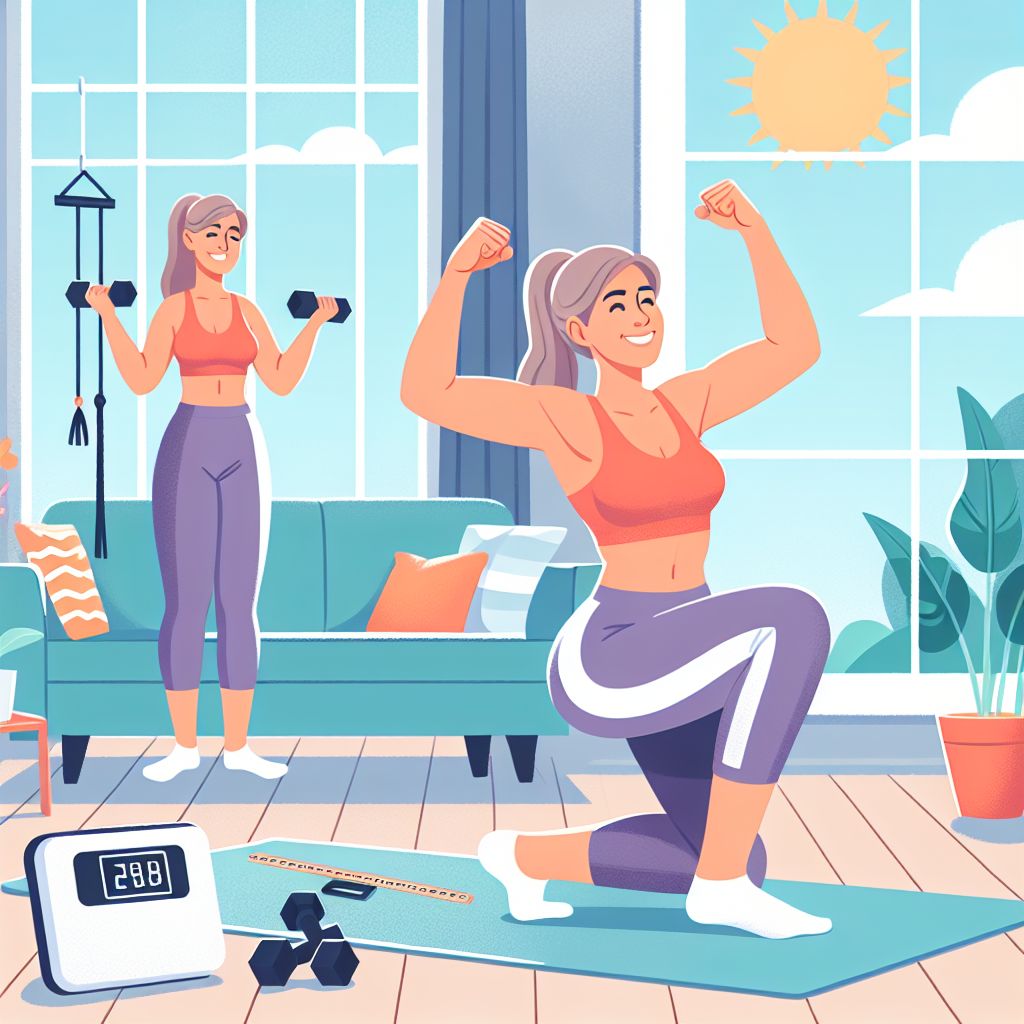
In spite of the picture the most important activity is not exercise, it’s deciding what to eat.
-
Replacing grains, potatoes, rice, and sugar with low glycemic alternatives is absolutely critical in managing weight.
-
Regular physical activity complements a low glycemic diet for optimal weight loss results.
-
Consistency in exercise and eating habits is key to overcoming weight loss plateaus.
-
Maintaining nutritional balance is essential for overall health and long-term weight management.
Unlocking the Secrets of Low Glycemic Eating
As someone who’s been caring for women in menopause for over four decades, I’ve seen firsthand the challenges of managing weight during this transitional period. But there’s a secret weapon I recommend time and again: low glycemic eating. It’s not just about cutting calories; it’s much more about choosing the right types of food that work with your body, not against it.
Understanding Glycemic Index and Its Impact on Weight
Let’s start with the basics. The glycemic index (GI) is a measure of how quickly foods raise blood sugar levels. Foods high on the GI scale cause rapid spikes in blood sugar, frequently leading to a crash and renewed hunger. But low glycemic foods provide a slow, steady release of energy. Why does this matter? Because during menopause, your body is more sensitive to these spikes, which can make losing weight tougher than it used to be. And the majority of women, by the time they are in menopause, are also in insulin resistance which causes your body to hold onto fat.
Identifying Low Glycemic Alternatives to Your Favorite Foods
It is a myth that you don’t have to give up your favorite dishes; in some cases all you need to do is just tweak them. But many of the points of advice on this subject are bad advice which probably originate in the food industry. Such as, swap out white bread for whole grain. This is guaranteed not to work because whole grain from wheat is still high glycemic. However the advice to choose steel-cut oats over instant oatmeal, and favor legumes and lentils instead of white potatoes and rice, these are based on sound science because the suggested foods are low glycemic. These simple switches can make a significant impact on managing your weight and keeping you feeling full and energized.
Creating a Low Glycemic Meal Plan for Menopause Weight Loss
Building a meal plan might seem daunting, but it’s quite easy. In my office I teach a plan we call “the modified plate”. I have taught this for more than 30 years and it always works. Here are the rules: no grains, potatoes, rice or sugar. Only eat fruit when you are also eating vegetables and animal protein. No cooking oils that come from seeds (so real olive oil is OK). There are obviously more details but those are the core rules and it always works.
Integrating Physical Activity for Optimal Results
Besides that, exercise is your ally. It boosts your metabolism, helps burn fat, and increases muscle mass, which naturally declines during menopause. But what’s the best activity for weight loss at this stage of life? It’s your diet. Never forget it. You cannot out exercise a bad diet.
The Synergy Between Diet and Exercise
Exercise and a low glycemic diet go hand in hand. While the diet helps manage blood sugar levels and reduce fat storage, exercise accelerates weight loss by burning calories and building muscle. Together, they’re a powerful duo for shedding unwanted pounds.
Best Exercises to Pair with Low Glycemic Eating
So, what exercises should you focus on? A combination of aerobic activities, like brisk walking or cycling, and strength training exercises, such as weight lifting or resistance training that mimics weights, can be incredibly effective. Both are important and helpful.
Developing a Consistent Workout Routine
Consistency is key. If you’re not doing anything, start with a daily vigorous walk.
Adjusting Your Diet and Exercise Plan
When you hit a plateau, it’s a sign that your body has adapted to your current routine. It’s time to make sure you’re not letting some high glycemic foods or seed oils into your diet. If you’ve been following a low glycemic diet, look for ways to incorporate even more variety of fruits, vegetables, and proteins. For exercise, increase the intensity or try new activities that challenge different muscle groups.
For instance, if you’ve been walking, add short bursts of jogging or try a dance class. Or start walking up steep hills. Remember, small adjustments can lead to big results over time.
Maintaining Motivation and Accountability
Staying motivated can be tough, especially when life gets busy. One strategy is to set short-term goals that lead to long-term results. Celebrate each achievement, no matter how small. Accountability is also crucial. Whether it’s a friend, family member, or a support group, having someone to share your journey with can make all the difference.
Tracking Progress and Adjustments Along the Way
Keeping a journal of your food intake, exercise, and how you feel can provide valuable insights into what’s working and what isn’t. It also helps to visualize your progress. You don’t have to obsess over the scale; instead, focus on how your clothes fit or how much more energy you have.
Adjustments are part of the journey. If you find certain foods trigger cravings or don’t satisfy you, replace them with something else. If an exercise doesn’t feel right, try something new. The goal is to create a plan that is flexible and sustainable.
Setting Realistic Goals and Milestones
Setting goals that are achievable is vital. They should challenge you, but also be within reach. Maybe it’s losing a certain amount of weight, fitting into a dress size, or walking a certain distance. Mark these milestones and celebrate when you reach them. It’s these victories that keep you moving forward.
Establishing Effective Measurement Techniques
There are more ways to measure success than just the number on the scale. Take measurements of your waist, hips, and other areas to track how your body is changing. Use a fitness tracker to monitor your activity levels and sleep patterns. These metrics can provide a fuller picture of your health and progress.
Navigating Social Events and Eating Out
Social events can be a challenge when you’re trying to maintain a low glycemic diet. But with a bit of planning, you can stick to your goals without feeling deprived.
Choosing Low Glycemic Options When Dining Out
When dining out you can always find low glycemic meals. Just avoid grains, potatoes, rice and sugar. Your meal will be animal based protein, healthy fats (butter, coconut oil and olive oil — and the fat in the meat— Most restaurants are willing to accommodate these requests.
Dealing with Peer Pressure and Staying on Track
Peer pressure can be tough, but remember, you’re doing this for you. It’s okay to politely decline offers of food that don’t fit into your plan. If you’re comfortable, share your goals with friends and family so they can support you. And if you do indulge, don’t beat yourself up. Just get back on track with your next meal. For more advice on managing your lifestyle, take a look at intermittent fasting for menopause, a lifestyle change with benefits.
Managing Cravings and Emotional Eating
Cravings and emotional eating are common challenges, but they can be managed. First, identify the triggers. Is it stress, boredom, or emotions? Once you know what prompts your cravings, you can develop strategies to cope with them.
Healthy Alternatives to High Glycemic Snacks
Keep healthy snacks on hand for when cravings strike. Nuts, seeds, and low glycemic fruits like berries can satisfy your hunger without spiking your blood sugar. If you’re craving something sweet, opt for dark chocolate with a high cocoa content combined with a natural sweetener like monk fruit or stevia.
Understanding the Emotional Ties to Eating
Food often has an emotional connection. Acknowledge these feelings and find healthier ways to cope, like talking to a friend, going for a walk, or practicing mindfulness. Eating should be a response to hunger, not an emotional crutch.
-
Consider your emotional relationship with food and find alternative coping mechanisms.
-
Stock up on healthy, low glycemic snacks to avoid giving into high glycemic cravings.
-
Stay flexible and willing to adjust your diet and exercise plan as needed.
-
Set realistic and measurable goals to maintain motivation and track progress.
-
When dining out, choose low glycemic options and don’t hesitate to request modifications.
Cravings and emotional eating are common challenges, but they can be managed. First, identify the triggers. Is it stress, boredom, or emotions? Once you know what prompts your cravings, you can develop strategies to cope with them.
Maintaining Nutritional Balance for Holistic Health
Beyond weight loss, maintaining a nutritional balance is essential for holistic health. Menopause can affect your body in various ways, and a balanced diet rich in vitamins, minerals, and hydration can help mitigate some of those effects.
Incorporating Key Vitamins and Minerals
Your body’s needs change during menopause. Calcium and vitamin D are crucial for bone health, while B vitamins can help improve energy levels and mood. Omega-3 fatty acids, found in fish and flaxseeds, support heart health and may help with mood swings.
Highlighting the Importance of Hydration
Hydration is often overlooked but is vital for overall health. Water helps to flush out toxins, maintain body temperature, and promote healthy skin. Aim for at least eight glasses of water a day, and remember that fruits and vegetables also contribute to your hydration levels. Avoid water that is not clean (ie, no city water).
Sustaining Weight Loss for the Long-term
Weight loss during menopause is not just about looking good; it’s about investing in your long-term health. Sustainable weight loss is about creating habits that you can maintain for life, not just until you reach a certain number on the scale.
Adopting Lifelong Habits Beyond Menopause
To sustain weight loss, adopt habits that fit into your lifestyle. Whether it’s going for a daily walk, practicing Chi Gong, or cooking at home more often, find activities and foods that you enjoy and that also support your health goals.
Continuing Education on Nutrition and Fitness
Lastly, never stop learning. Nutrition and fitness advice evolves, so stay informed. Follow credible sources, attend workshops, or consult with a nutritionist or personal trainer. Staying educated helps you make the best choices for your body and lifestyle.
Key Takeaways
-
Avoiding high glycemic carbs can significantly aid in weight loss during menopause.
-
Pairing a low glycemic diet with regular physical activity can enhance weight loss efforts.
-
Consistency in exercise and dietary habits is essential for overcoming weight loss plateaus.
-
Nutritional balance is crucial for holistic health during and after menopause.
-
Adopting sustainable habits and continuing education on nutrition and fitness are key to long-term weight management.
FAQ: Managing Menopause Weight Loss
Is a low glycemic diet sustainable in the long term? Absolutely, as long as you focus on variety and balance. It’s not about strict restrictions, but about making smarter food choices that also satisfy your taste buds. Learn more about how to lose weight around menopause and keep it off. I have many patients who have been eating low glycemic (without grains, potatoes, rice and sugar) for many years. They are my healthiest patients and need little treatment.
How does exercise influence the effects of a low glycemic diet? Exercise complements a low glycemic diet by burning excess calories and improving insulin sensitivity, which can help in managing weight more effectively.
What are some common pitfalls in menopause weight loss? Common pitfalls include not adjusting calorie intake as metabolism slows, neglecting strength training, and not managing stress, which can lead to emotional eating.
Can you give examples of low glycemic carbs? Certainly! Some great options include legumes, lentils, non-starchy vegetables, as well as most fruits, especially berries and cherries. Remember, no grains, potatoes rice or sugar. A common question, “are sweet potatoes OK?” The answer is “yes”. Bon appetit!
Stanley Lang, M.D. has been in active medical practice since 1978. He has been a family physician during these years with detailed experience in all age groups including delivering babies for several years. He has been a pioneer in developing models of wholistic health care that bring health to the whole person. He has particularly focussed on reversing Chronic Stress effects on the body. He is the creator of the Shalom Method for Wholistic Health, and he has created several online programs that allow patients to naturally self manage their problems including “The Natural Lyme disease Treatment Program”, the “Menopause Balancing Program”, “The Happy Healthy Child” program plus many others.
Exercise beyond menopause: Dos and Don’ts
by N Mishra · 2011 · Cited by 85 — Weight bearing, high impact exercises: Includ…
How to Lose Weight Around Menopause (and Keep It Off)
May 12, 2021 — Aerobic exercise, or cardio, is also great for menopause. Studies…
Why am I gaining weight so fast during menopause? And will hormone …
Apr 25, 2023 — The biggest bang for your effort is weight-bearing exercises, lik…



Leave a Reply