
Key Takeaways
-
Blue light exposure can disrupt sleep by suppressing melatonin, which is particularly concerning during menopause.
-
Menopause can cause sleep disturbances, and blue light may exacerbate these issues.
-
Limiting screen time in the evening and using blue light filters can help mitigate the effects on sleep.
-
Creating a sleep-friendly environment involves dimming lights and potentially using red lights at night.
-
There are alternative light solutions like adjustable light technology that may improve sleep for menopausal women.
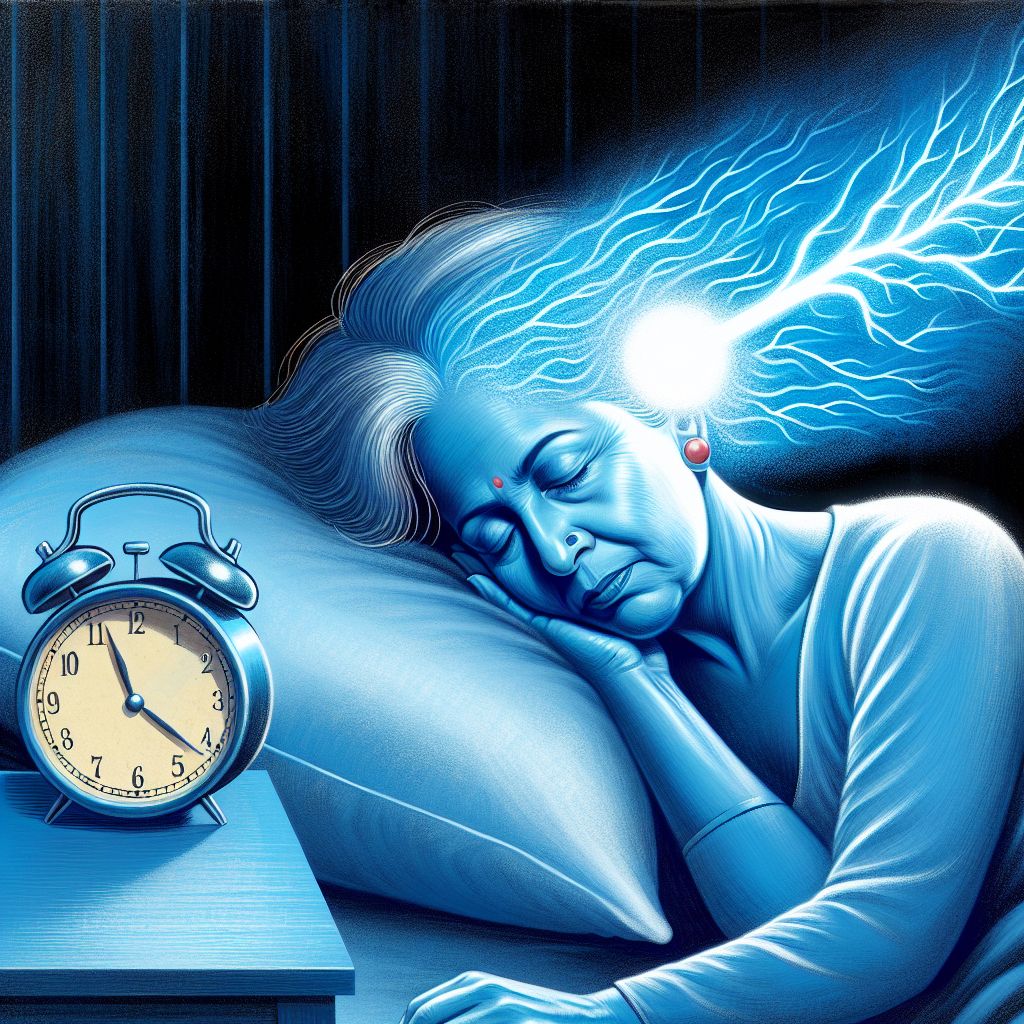
Shedding Light on Blue Light: What You Need to Know
The Basics of Blue Light
Imagine the sun casting its morning glow, signaling your body to wake up and seize the day. That’s blue light in its natural form, an essential player in regulating our sleep-wake cycle, or circadian rhythm. But it’s not just blue light then, it’s a complex combination of spectra that your body has been designed to read. But, with the digital age, we’re not just getting blue light from the sun. Our screens—phones, tablets, computers—emit significant and abnormal (to our brain) amounts of blue light, and that’s where things get tricky, especially at night.
Blue Light and Your Body Clock
Blue light has the power to keep us alert and boost our mood, but timing is everything. Exposure during the day is beneficial, yet at night it can throw our body’s biological clock out of sync. The result? Our sleep suffers. And when we don’t get enough quality sleep, our bodies don’t have the chance to fully recharge, which can affect our overall health.
Menopause and Hormonal Harmony
The Menopause Transition: A Natural Process
Menopause marks a significant transition in a woman’s life, typically the perimenopause occurring in the late 40s to early 50s. It’s a natural process where the ovaries gradually decrease hormone production, leading to the end of menstrual cycles. This change can bring about various symptoms, including hot flashes, mood swings, and sleep disturbances.
Now, let’s connect the dots between menopause and sleep. Hormonal fluctuations during this time can already make a good night’s rest elusive. When you add blue light into the mix, it can suppress the production of melatonin, the hormone that helps us sleep, making it even harder to get the rest we need.
-
Keep your bedroom dark and cool to encourage sleep.
-
Establish a relaxing pre-bedtime routine to wind down.
-
Be mindful of your exposure to blue light after sunset.
Hormones and Sleep: The Delicate Balance
During menopause, the body’s internal thermostat goes haywire, thanks to fluctuating estrogen levels. This can lead to night sweats and hot flashes that disrupt sleep. And as if that wasn’t enough, blue light exposure in the evening can further reduce melatonin levels, leading to even more sleepless nights.
Most importantly, let’s not forget that sleep isn’t just about quantity—it’s about quality. Even if you’re spending enough hours in bed, blue light exposure can make it harder to reach the deep, restorative stages of sleep, leaving you feeling tired the next day.
Because of this, it’s crucial to manage both hormonal changes and environmental factors like blue light to maintain a healthy sleep pattern during menopause.
Blue Light Exposure: Menopausal Impacts Examined
Understanding how blue light affects menopause is critical. The evening glow of our gadgets might be doing more harm than good, especially for women navigating the complexities of menopause. It’s essential to examine not just the amount of sleep we get, but the quality of that sleep, which is often disrupted by blue light.
Why does this matter? Menopause itself is a time of significant change in a woman’s body, and adequate rest is a cornerstone of managing its symptoms. When blue light interferes with sleep, it doesn’t just leave you tossing and turning; it can amplify menopausal symptoms like mood swings, irritability, and fatigue.
Influence on Sleep Quality and Patterns
When it comes to sleep, blue light is a bit of a double-edged sword. It’s fantastic for keeping us alert during the day, but at night, it can be a nuisance. Blue light suppresses melatonin production, which is already fluctuating during menopause. This suppression can lead to difficulties in falling asleep and staying asleep, resulting in less restful sleep overall. The impact on sleep quality and patterns during menopause can be profound, as rest is crucial for managing other symptoms of this life stage.
Effects on Mood and Mental Health
Beyond sleep, blue light can have a ripple effect on mood and mental health. The frustration of sleepless nights can lead to increased stress and anxiety, which are already common during menopause. A well-rested brain is better equipped to handle stress, so when sleep is compromised, mood swings and irritability can become more pronounced.
Tuning Out the Blue: Practical Steps for Protection
So, what can we do to protect ourselves from the blue? First and foremost, it’s about creating an environment conducive to sleep and being mindful of our evening routines. We need to be proactive about limiting our exposure to blue light as the day winds down.
Consider the lighting in your home. Are bright, blue-light emitting bulbs lighting up your space at night? It might be time for a change. Opting for bulbs that emit warmer tones and using dimmers can make a significant difference.
Managing Screen Time: Simple Habits that Help
Let’s talk about screen time. It’s a big part of our lives, but as bedtime approaches, it’s wise to step away from the screens. To better manage your exposure to blue light, here are a few habits that can help:
-
Set a “technology curfew” an hour or two before bed to give your brain a break from screens.
-
Use blue light filters on your devices, which are often built into the settings of smartphones and tablets.
-
Consider wearing blue light-blocking glasses in the evening if screen use is unavoidable.
Creating a Sleep-Friendly Environment
Creating a sleep-friendly environment goes beyond managing screen time. It’s about setting the stage for a good night’s rest:
-
Use blackout curtains to keep your bedroom dark and tranquil.
-
Keep the temperature cool, as a lower temperature promotes better sleep.
-
Introduce soothing sounds, like white noise or gentle music, to mask disruptive background noise.
Remember, the bedroom is a sanctuary for sleep. Keep it that way by eliminating any sources of blue light and creating a peaceful atmosphere.
Alternative Light Solutions: Embracing Healthier Hues
While we can take steps to minimize blue light exposure, we can also embrace alternative light solutions. These are designed to support our natural circadian rhythm rather than disrupt it.
Adjustable Light Technology for Better Rest
Adjustable light technology is a game-changer. Imagine lights that mimic the natural progression of the sun, gradually dimming and changing hues as bedtime approaches. These smart lighting systems can be programmed to reduce blue light emission in the evening, creating a more sleep-friendly environment.
Therefore, consider investing in lighting systems that can be adjusted to the time of day or your activities. This small change can make a big difference in your sleep quality and overall well-being.
Nighttime Routines to Counteract Blue Light
Finally, let’s talk about nighttime routines. Establishing a routine that signals to your body that it’s time to wind down is crucial. This might include reducing chronic stress to improve restorative sleep.
-
Reading a book under a warm, dim light.
-
Practicing relaxation techniques like deep breathing or meditation.
-
Having a warm, non-caffeinated drink like herbal tea.
By following these steps and being mindful of blue light exposure, you can help ensure that menopause and the sleep disturbances that come with it are managed in a way that supports your overall health and well-being.
FAQ: Blue Light and Menopause
With the growing concern about blue light exposure, particularly for women in the menopausal stage, it’s essential to address some frequently asked questions. Understanding the impact of blue light and how to manage it can play a pivotal role in navigating menopause with greater ease and comfort.
What exactly is blue light and why is it a concern for menopausal women?
Blue light is a type of high-energy visible light with a short wavelength that’s emitted by both the sun and digital screens. It’s a concern for menopausal women because it can disrupt the circadian rhythm by suppressing melatonin production, which is crucial for sleep. Menopausal women often experience sleep disturbances, and blue light exposure in the evening can exacerbate these issues, potentially intensifying other menopausal symptoms.
How can I limit blue light exposure, especially in the evening?
To limit blue light exposure in the evening, consider these actionable steps:
-
Eliminate screen time at least an hour before bedtime.
-
Activate night mode settings on your devices to minimize blue light.
-
Consider using blue light blocking glasses if evening screen use is unavoidable.
-
Replace bright, white light bulbs with warmer tones that have less blue light.
Are there specific times of day when blue light is most disruptive for menopausal women?
Blue light is most disruptive in the evening and throughout the night when it’s time for our bodies to wind down and prepare for sleep. For menopausal women, who may already be experiencing sleep issues, exposure to blue light after sunset can be particularly harmful to their sleep quality and overall well-being.
Can blue light affect the severity of menopausal symptoms?
Yes, blue light can affect the severity of menopausal symptoms. Poor sleep caused by blue light exposure can lead to increased stress, which can worsen symptoms like hot flashes, night sweats, and mood swings. By managing blue light exposure, you may help reduce the intensity of these symptoms.
What are some natural remedies to mitigate the effects of blue light?
Natural remedies to mitigate the effects of blue light include:
-
Establishing a consistent sleep schedule to strengthen your circadian rhythm.
-
Practicing relaxation techniques such as yoga or meditation to promote better sleep.
-
Spending time outside during daylight to help regulate your body clock.
-
Incorporating foods rich in melatonin, like cherries or nuts, into your diet.
In conclusion, understanding and managing blue light exposure is key to improving sleep and overall health during menopause. By taking practical steps to minimize blue light at night and creating a sleep-friendly environment, you can significantly reduce the impact of blue light on menopausal symptoms. Remember to embrace healthier light alternatives and establish nighttime routines that support your body’s natural sleep processes. With these strategies, you can navigate menopause more comfortably and enjoy a better quality of life.
Stanley Lang, M.D. has been in active medical practice since 1978. He has been a family physician during these years with detailed experience in all age groups including delivering babies for several years. He has been a pioneer in developing models of wholistic health care that bring health to the whole person. He has particularly focussed on reversing Chronic Stress effects on the body. He is the creator of the Shalom Method for Wholistic Health, and he has created several online programs that allow patients to naturally self manage their problems including “The Natural Lyme disease Treatment Program”, the “Menopause Balancing Program”, “The Happy Healthy Child” program plus many others.