
Key Takeaways
In the race to lose belly fat in menopause, many women desperately try things that will not work for the long run. Here’s what you need to know:
-
Most quick-fix diets fail because they don’t address the root cause: insulin resistance.
-
Damaged omega-6 fats, commonly found in cooking oils, worsen insulin resistance.
-
Trans fats, altered from their natural state, cause serious health issues, including worsening insulin resistance.
-
Eating to reverse insulin resistance involves incorporating more whole foods and fiber into your diet.
-
Replacing damaged fats with healthier alternatives can significantly improve your health and reduce belly fat.
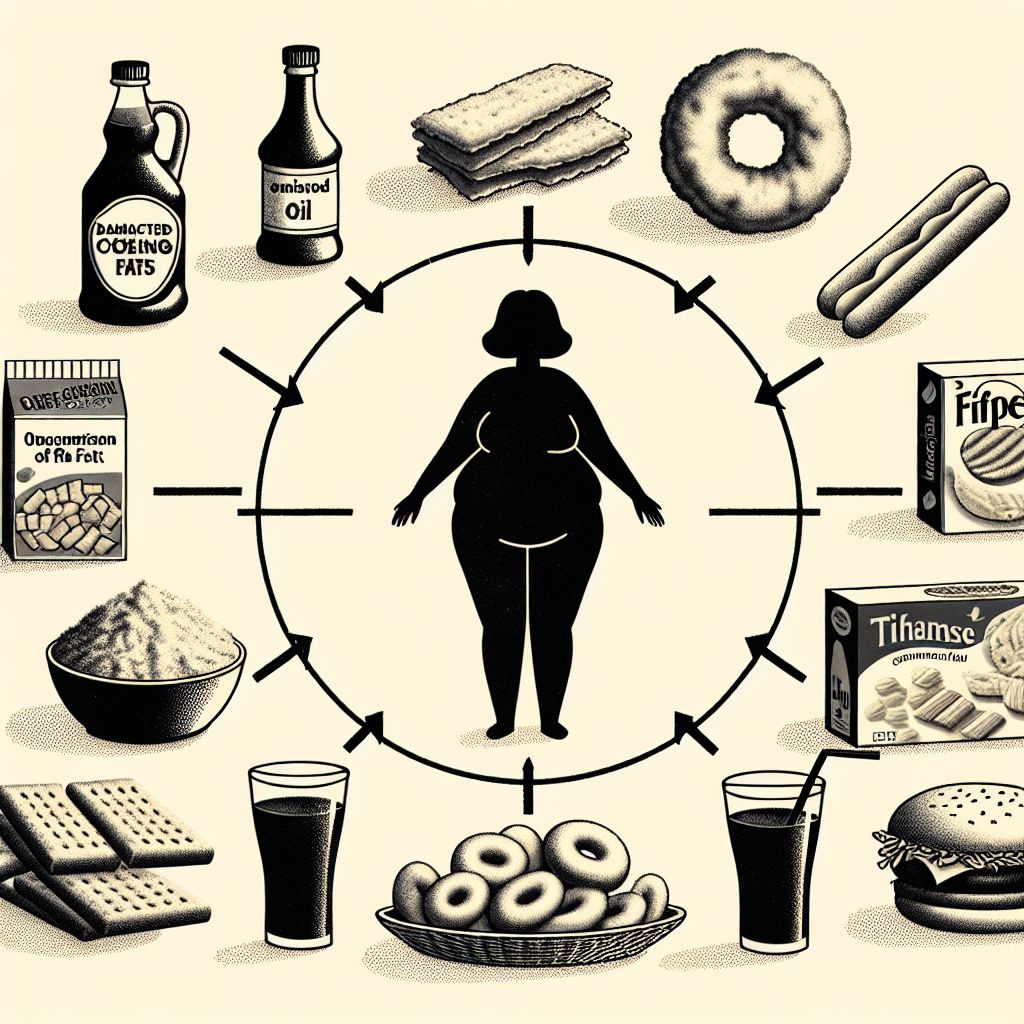
In the race to lose belly fat in menopause belly many women desperately try things that will not work for the long run.
Menopause is a challenging time for many women, and the sudden appearance of belly fat can be particularly distressing. Many women turn to fad diets, extreme exercise routines, or expensive supplements in an attempt to shed the extra pounds quickly. However, these methods often lead to frustration and disappointment because they don’t address the underlying issue: insulin resistance.
Common Ineffective Strategies
It’s common to see women trying a variety of strategies that promise quick results but fail to deliver. These include:
-
Crash diets that severely restrict calories
-
Over-the-counter diet pills
-
The New Prescription diet injections and pills
-
High-intensity workout programs that are unsustainable
-
Detox teas and cleanses
These methods might offer temporary results, but they are not sustainable and can even be harmful in the long run.
Psychological Impacts of Failed Diets
When these quick fixes fail, it can have a significant psychological impact. Women may feel like they are to blame for not having enough willpower or discipline. This can lead to a cycle of yo-yo dieting, where they lose weight only to gain it back again, feeling more defeated each time.
Understanding Sustainable Weight Loss
To achieve lasting results, it’s crucial to understand that sustainable weight loss involves more than just cutting calories or increasing exercise. It’s about making lifestyle changes that address the root causes of weight gain, particularly insulin resistance.
Only one thing will work and that is to eat in a way that reverses insulin resistance.
Insulin resistance is a condition where the body’s cells become less responsive to insulin, a hormone that regulates blood sugar levels. When cells don’t respond well to insulin, the body produces more of it to keep blood sugar levels stable. Over time, this can lead to increased fat storage, particularly around the belly. For more insights on managing this condition, check out these good fats and bad fats. The new fad weight loss meds mainly work to reverse this insulin resistance which causes the body to let go of fat storage, however they come with a lot of baggage, increasing complications and the certainty of failure for most when they eventually stop the treatment.
What is Insulin Resistance?
Insulin resistance occurs when the body’s cells become less sensitive to the effects of insulin. This means that more insulin is needed to achieve the same effect, leading to higher levels of insulin in the blood. High insulin levels promote fat storage and make it difficult to lose weight, especially around the abdomen.
Dietary Approaches to Reverse Insulin Resistance
The good news is that insulin resistance can be reversed through dietary changes. Here are some key strategies:
-
Eat a balanced diet rich in whole foods
-
Include plenty of fiber from fruits, vegetables, and healthy fats.
-
Avoid grains– they are all high glycemic unless they are steel cut grains
-
Avoid processed foods and sugary drinks
-
Incorporate healthy fats, such as those found in avocados, nuts, and olive oil and butter from grass fed cows
Role of Fiber and Whole Foods
Fiber plays a crucial role in reversing insulin resistance. It helps slow down the absorption of sugar into the bloodstream, preventing spikes in blood sugar and insulin levels. Whole foods, which are minimally processed and rich in nutrients, provide the body with the vitamins and minerals it needs to function optimally.
Besides that, eating whole foods and fiber-rich meals helps keep you full longer, reducing the temptation to snack on unhealthy options.
In the next section, we will delve into the specifics of damaged omega-6 fats and their impact on insulin resistance.
One of the things that worsens insulin resistance is damaged omega 6 fats like those found in most of the cooking oils.
Many people are unaware that the very oils they use daily could be contributing to their health issues. Damaged omega-6 fats, prevalent in many cooking oils, play a significant role in worsening insulin resistance. By understanding what these fats are and how they affect the body, you can make more informed choices to improve your health. Part of the confusion is that these damaging oils start out as an essential fat. Our body needs some essential omega 6 called Linoleic Acid. This is a critical fat for many functions in our cell membranes especially in the brain but when you extract it from a real food and stick it in a bottle, you damage it and make it harmful to our bodies. And that’s what the food industry has done- in a BIG way. They have also distorted the amount of omega 6 to somewhere between 20 and a hundred times too much for the right balance in our body.
Understanding Omega 6 Fats
Omega-6 fats are a type of polyunsaturated fat found in various foods, including vegetable oils, nuts, and seeds. While the body needs some omega-6 fats for normal growth and development, an excess, particularly in a damaged form, can lead to health problems. The issue arises when these fats are processed or heated, causing them to oxidize and become harmful.
Risks of Damaged Omega 6 Fats
When omega-6 fats are damaged through processing or high heat, they become oxidized. Oxidized fats can cause inflammation and increase the risk of chronic diseases, including heart disease and diabetes. Moreover, they will certainly worsen insulin resistance, making it more challenging to manage blood sugar levels and lose weight.
Foods High in Damaged Omega 6 Fats
Many common cooking oils contain high levels of omega-6 fats that have already been badly damaged just by extracting them from the food and putting them into the bottle but they can easily become more damaged. These include oils absolutely contribute to menopause belly.
-
Corn oil
-
Soybean oil
-
Sunflower oil
-
Safflower oil
-
Canola oil
These oils are often used in processed foods, fast foods, and restaurant meals, making it difficult to avoid them unless you are mindful of your choices.
Alternatives to Common Cooking Oils
Fortunately, there are healthier alternatives to these common cooking oils. By switching to oils that are more stable and less likely to oxidize, you can reduce your intake of damaged omega-6 fats. Consider using the following oils instead:
-
Olive oil: Rich in monounsaturated fats, olive oil is a healthier option for cooking and salads.
-
Coconut oil: This oil is stable at high temperatures and contains beneficial medium-chain triglycerides (MCTs).
-
Butter or ghee: These saturated fats are stable and can be used for cooking without the risk of oxidation.
-
I discourage Avocado oil because it is very rich in Omega 6 fats.
Making these simple swaps can significantly improve your health and help manage insulin resistance.
Trans fats which are fats that have been altered from normal fats and cause many serious problems including worsening insulin resistance.
Trans fats are another type of fat that can have severe health consequences. These fats are created through an industrial process that adds hydrogen to liquid vegetable oils to make them more solid. This process, known as hydrogenation, alters the structure of the fat, making it harmful to health. Learn more about good fats and bad fats.
Trans fats are found in many processed foods, including baked goods, snack foods, and fried items. They are used because they are cheap, have a long shelf life, and improve the texture and flavor of foods. However, the health risks associated with trans fats far outweigh any benefits they might offer.
Unlike natural fats, trans fats do not occur naturally in significant amounts. Instead, they are primarily found in processed and packaged foods. Consuming these fats can have severe health implications, particularly for insulin resistance and overall cardiovascular health.
-
Margarine and shortening
-
Commercial baked goods (cookies, cakes, pastries)
-
Snack foods (chips, crackers)
-
Fried foods (french fries, fried chicken)
-
Pre-packaged foods (frozen pizzas, microwave popcorn)
Health Risks of Trans Fats
Trans fats have been linked to numerous health issues, including:
To learn more about how to avoid these harmful substances, check out this natural treatment for menopause belly.
-
Increased risk of heart disease
-
Higher levels of LDL (bad) cholesterol
-
Lower levels of HDL (good) cholesterol
-
Increased inflammation
-
Worsening insulin resistance
These risks make it essential to avoid trans fats as much as possible. By reading food labels and choosing products that do not contain hydrogenated oils, you can significantly reduce your intake of these harmful fats.
Foods Containing Trans Fats
Many processed foods contain trans fats, even if they are not immediately obvious. It’s essential to read food labels carefully and look for ingredients such as “partially hydrogenated oils.” Some common foods that may contain trans fats include:
-
Margarine and shortening
-
Commercial baked goods (cookies, cakes, pastries)
-
Snack foods (chips, crackers)
-
Fried foods (french fries, fried chicken)
-
Pre-packaged foods (frozen pizzas, microwave popcorn)
Regulations on Trans Fats
Due to the significant health risks associated with trans fats, many countries have implemented regulations to limit their use. For example, the U.S. Food and Drug Administration (FDA) has regulated their use but not banned them. They are still widely used and the food industry cheats to not have to list them in their ingredients.
It’s still essential to be vigilant and read food labels, as some products may still contain small amounts of trans fats, smaller than have to be listed by the law but plenty to signal bad things in our bodies. By being informed and making conscious choices, you can avoid these harmful fats and improve your overall health.
In the final part of this article, we will compile actionable steps you can take to reduce your intake of damaged fats and improve your diet for better health. For more information on healthy eating during menopause, check out these menopause diet tips.
Compiling Actionable Steps
To effectively manage menopause belly fat, it is essential to adopt a comprehensive approach that includes dietary changes, regular exercise, and stress management. Here are some actionable steps you can take:
-
Eliminate or significantly reduce your intake of processed foods.
-
Replace common cooking oils with healthier alternatives like olive oil, coconut oil, or butter.
-
Incorporate more whole foods, such as fruits, vegetables, whole grains, and lean proteins, into your diet.
-
Increase your fiber intake by eating more fruits, vegetables, legumes, and whole grains.
-
Read food labels carefully to avoid products containing trans fats or partially hydrogenated oils.
-
Maintain a regular eating schedule to help regulate blood sugar levels and reduce insulin resistance.
Examples of Healthy Fats to Include in Your Diet
Healthy fats are essential for overall health and can help manage menopause belly fat by improving insulin sensitivity. Here are some examples of healthy fats to include in your diet:
-
Avocado: Rich in HEALTHY NON DAMAGED Omega 6, avocados are a nutritious addition to any meal. Just don’t cook with them.
-
Nuts and seeds: Almonds, walnuts, chia seeds, and flaxseeds provide healthy fats, protein, and fiber.
-
Olive oil: A staple of the Mediterranean diet, olive oil is rich in monounsaturated fats and antioxidants.
-
Fatty fish: Salmon, mackerel, and sardines are excellent sources of omega-3 fatty acids, which have anti-inflammatory properties.
-
Coconut oil: Contains medium-chain triglycerides (MCTs) that can boost metabolism and support weight loss.
How to Read Food Labels for Hidden Fats
Reading food labels is crucial to avoiding hidden fats, particularly trans fats and damaged omega-6 fats. Here are some tips for reading food labels effectively: Natural treatment for menopause belly.
-
Check the ingredient list for partially hydrogenated oils, which indicate the presence of trans fats.
-
Look for terms like “hydrogenated” or “fractionated” oils, which may also contain trans fats.
-
Be cautious of products labeled “0 grams trans fat,” as they may still contain small amounts of trans fats per serving. By the laws the food industry was able to push through, a “serving” has to have a certain amount of trans fat to have to be listed and they know exactly how to create a serving size under that number. So the label can say “zero” trans fats even though they are clearly present.
-
Pay attention to the types of oils used in the product, and opt for those made with healthier oils like olive oil or coconut oil.
Frequently Asked Questions (FAQ)
Can menopause belly fat be reduced without exercise?
While exercise is beneficial for overall health and can help with weight management, it is possible to reduce menopause belly fat through dietary changes alone. By focusing on a diet that reverses insulin resistance and avoids harmful fats, you can achieve significant results. However, incorporating regular physical activity can enhance these benefits and improve your overall well-being. For more tips, check out this menopause diet guide.
How quickly can one see results from dietary changes?
Results from dietary changes can vary depending on individual factors such as metabolism, current diet, and overall health. However, many people start to see improvements in their energy levels, blood sugar control, and weight within a few weeks of making healthier dietary choices. Consistency is key, so it’s essential to stick with these changes for the long term. For more insights, you can read about menopause diet tips.
-
Improved energy levels within 1-2 weeks
-
Better blood sugar control within 2-4 weeks
-
Noticeable weight loss within 1-8 weeks
What are the best foods to eat to reverse insulin resistance?
To reverse insulin resistance, focus on a diet rich in whole foods, fiber, and healthy fats. Some of the best foods to include are:
For more detailed tips on managing weight and diet during menopause, you can check out this article on menopause diet tips.
-
Leafy greens: Spinach, kale, and Swiss chard are low in calories and high in nutrients.
-
Berries: Blueberries, strawberries, and raspberries are rich in antioxidants and fiber.
-
Legumes: Beans, lentils, and chickpeas provide protein, fiber, and essential nutrients.
-
Whole seeds like Quinoa
-
Fatty fish: Salmon, mackerel, and sardines provide omega-3 fatty acids and protein.
Are there any supplements that help with menopause belly fat?
While dietary changes are the most effective way to manage menopause belly fat, some supplements may provide additional support. These include:
For instance, maca has been shown to help with menopause symptoms, including weight management.
-
Omega-3 fatty acids: Found in fish oil supplements, omega-3s can help reduce inflammation and improve insulin sensitivity.
-
Magnesium: This mineral plays a role in glucose metabolism and can help regulate blood sugar levels.
-
Vitamin D: Adequate levels of vitamin D are essential for overall health and may help with weight management.
-
Probiotics: These beneficial bacteria can support gut health and improve digestion, potentially aiding in weight loss.
For more information, check out this natural treatment for menopause belly.
Stanley Lang, M.D. has been in active medical practice since 1978. He has been a family physician during these years with detailed experience in all age groups including delivering babies for several years. He has been a pioneer in developing models of wholistic health care that bring health to the whole person. He has particularly focussed on reversing Chronic Stress effects on the body. He is the creator of the Shalom Method for Wholistic Health, and he has created several online programs that allow patients to naturally self manage their problems including “The Natural Lyme disease Treatment Program”, the “Menopause Balancing Program”, “The Happy Healthy Child” program plus many others.
Good Fats vs. Bad Fats: Get the Skinny on Fat
Oct 31, 2007 — Polyunsaturated fats, found mostly in vegetable oils, help lower …
Why am I gaining weight so fast during menopause? And will hormone …
Apr 25, 2023 — The menopause belly increases the risk of diabetes, heart disease…
Menopausal belly fat is real. 5 diet changes a dietitian made to combat it
Aug 16, 2023 — A 5-step dietary approach to reducing belly fat and improving hea…



Leave a Reply