
Key Takeaways
-
Visceral fat, unlike subcutaneous fat, is stored deep within the abdominal cavity and surrounds vital organs.
-
Menopause can lead to an increase in visceral fat due to hormonal changes, particularly the decrease in estrogen.
-
Visceral fat is linked to several health risks, including cardiovascular disease, type 2 diabetes, and inflammation.
-
Diet, exercise, and stress management are crucial in reducing visceral fat during menopause.
-
Monitoring visceral fat levels can be done through medical imaging techniques like CT scans and MRIs.
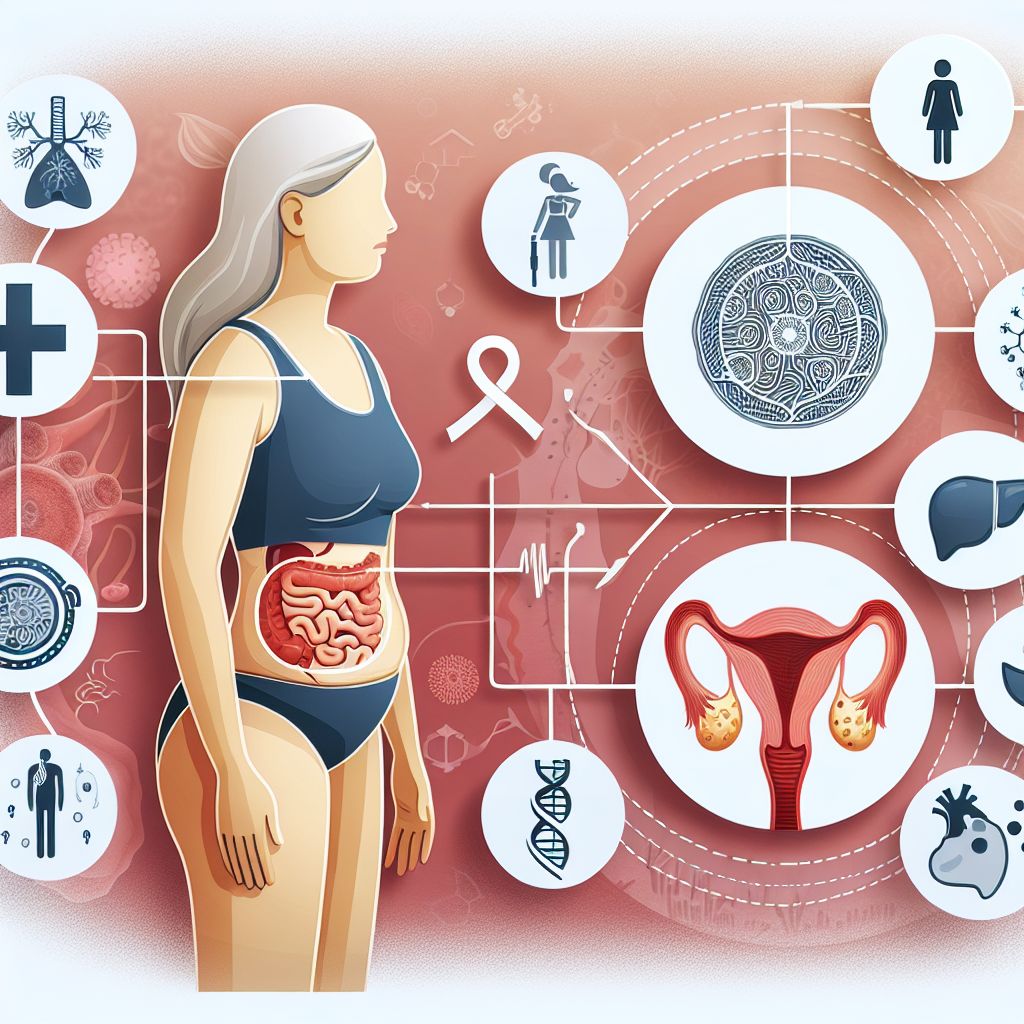
Many women are well aware of the menopause belly, the visible fat gain around their waist.
Menopause belly is a term that many women might recognize. It refers to the noticeable increase in fat around the waistline that often accompanies menopause. This visible fat gain can be frustrating and sometimes even disheartening.
Defining Menopause Belly
Menopause belly is essentially the accumulation of fat in the abdominal area. This happens because, during menopause, hormonal changes, particularly the decline in estrogen, lead to a shift in how the body stores fat. Before menopause, women tend to store fat in their hips and thighs. However, as estrogen levels drop, fat storage shifts to the abdomen.
Common Misconceptions
Many people believe that menopause belly is simply a natural part of aging and that nothing can be done about it. This is a misconception. While hormonal changes play a significant role, lifestyle factors such as diet and physical activity also greatly influence fat accumulation.
-
Menopause belly is inevitable – False. While hormonal changes make it easier to gain belly fat, it can be managed with lifestyle changes.
-
All belly fat is the same – False. There are different types of fat, and not all are equally harmful.
Statistics on Waistline Expansion During Menopause
Statistics show that women tend to gain an average of 1.5 pounds per year during their 50s and 60s. Most of this weight is typically stored in the abdominal area. This shift in fat distribution results in a significant increase in waist circumference.
What most don’t know is that a dangerous type of fat called “visceral fat” is lurking under the surface, unseen but causing a lot of damage to the whole body.
While the visible fat around the waist is concerning, the real danger lies beneath the surface. Visceral fat is the hidden enemy that many women are unaware of.
What is Visceral Fat?
Visceral fat is a type of fat that is stored deep within the abdominal cavity. Unlike subcutaneous fat, which lies just under the skin, visceral fat surrounds vital organs such as the liver, pancreas, and intestines. This makes it particularly dangerous. Learn more about the effects of visceral fat on the liver.
How Visceral Fat Differs From Subcutaneous Fat
Subcutaneous fat is the fat you can pinch. It’s located just under the skin and, while it can be unsightly, it’s not as harmful as visceral fat. Visceral fat, on the other hand, is hidden deep within the abdomen and can’t be seen or pinched. It wraps around internal organs and releases harmful substances that can affect overall health.
Health Implications of Visceral Fat in Menopause
The presence of visceral fat is linked to several serious health conditions. During menopause, the increase in visceral fat can exacerbate these risks.
-
Cardiovascular Disease: Visceral fat increases the risk of heart disease by contributing to high blood pressure, high cholesterol, and inflammation.
-
Type 2 Diabetes: This type of fat affects how the body uses insulin, leading to insulin resistance and eventually type 2 diabetes.
-
Inflammation: Visceral fat releases inflammatory markers that can lead to chronic inflammation, affecting overall health.
Understanding the dangers of visceral fat is crucial. It’s not just about the extra inches around your waist; it’s about the hidden fat that poses a significant threat to your health.
Risks Associated with Visceral Fat
Visceral fat poses numerous risks that go beyond mere appearance. Unlike subcutaneous fat, which is relatively harmless, visceral fat can lead to severe health issues. It’s essential to understand these risks to take appropriate action.
Cardiometabolic Health
Visceral fat significantly impacts cardiometabolic health. It contributes to the development of metabolic syndrome, which includes conditions like high blood pressure, elevated blood sugar, and abnormal cholesterol levels. These factors collectively increase the risk of cardiovascular diseases such as heart attacks and strokes.
Inflammation and Immune Response
Another critical aspect of visceral fat is its role in promoting inflammation. Visceral fat cells release inflammatory markers like cytokines, which can lead to and aggravate chronic inflammation. This inflammation can affect the immune system, making the body more susceptible to various diseases, including autoimmune disorders.
To combat the accumulation of visceral fat, adopting a comprehensive approach is necessary. This includes making effective diet changes, following exercise recommendations, managing stress, and monitoring progress regularly.
Effective Diet Changes
Diet plays a crucial role in managing visceral fat. Here are some dietary changes you can make, including avoiding the two truly bad fats:
-
Reduce Sugar Intake: Excess sugar, especially from sugary drinks and processed foods, can lead to increased visceral fat. Opt for natural sweeteners and whole foods instead. Of equal importance is reducing or eliminating foods that are rapidly turned to sugar which we call “high glycemic” foods.
-
Increase Fiber Intake: Foods high in fiber, such as fruits, vegetables, and seeds, help in reducing visceral fat by promoting a feeling of fullness and aiding digestion.
-
Healthy Fats: Incorporate healthy fats like those found in avocados, nuts, and olive oil and butter from range fed cows. These fats can help reduce visceral fat by improving metabolism and reducing inflammation.
Exercise Recommendations
Physical activity is another essential component in reducing visceral fat. Here are some exercise recommendations:
-
Aerobic Exercise: Activities like walking, running, and swimming are effective in burning calories and reducing visceral fat.
-
Strength Training: Incorporating weight lifting or resistance exercises helps build muscle mass, which in turn boosts metabolism and aids in fat loss.
-
High-Intensity Interval Training (HIIT): Short bursts of intense exercise followed by rest periods can be highly effective in targeting visceral fat. In fact research has shown that this is the most effective exercise for reducing visceral fat.
Stress Management Tips
Managing chronic stress is vital for controlling visceral fat. High stress levels can lead to the release of cortisol, a hormone that promotes fat storage in the abdomen. Here are some tips to manage stress:
-
Meditation: Regular meditation can help calm the mind and reduce stress levels.
-
Christian Chi Gong: Practicing Chi Gong combines physical activity with relaxation techniques, making it an excellent way to manage stress. When doing Chi Gong as a Christian meditation, there is further stress reduction as one experiences God’s love during the movements.
-
Deep Breathing Exercises: Simple deep breathing exercises can help lower stress levels and improve overall well-being.
Monitoring Progress
Keeping track of your progress is crucial for staying motivated and making necessary adjustments. Here are some ways to monitor your progress:
-
Regular Measurements: Use a tape measure to track changes in your waist circumference. A reduction in waist size often indicates a loss of visceral fat.
-
Body Composition Analysis: Devices that measure body fat percentage can provide insights into how much visceral fat you have.
-
Medical Imaging: Techniques like CT scans and MRIs can accurately measure visceral fat, though they are typically used in clinical settings. They are unfortunately not covered by insurance for the purpose of monitoring visceral fat.
Should you use medication to battle visceral fat? No. Lifestyle is the key with the exception of bioidentical hormone replacement.
Besides lifestyle changes, there are really no truly safe medical interventions that can also play a role in managing visceral fat. While diabetes drugs are now being promoted for weight loss and some of these will decrease visceral fat, there are no long term safety studies but there are plenty of emerging and increasingly worrisome side effects.
Medical Interventions that work:
-
Role of Hormone Replacement Therapy (HRT): HRT can help manage the hormonal changes during menopause, potentially reducing the accumulation of visceral fat.
-
Supplements: Certain supplements can aid in weight loss and fat reduction.
-
Consulting Healthcare Providers: who are knowledgeable about how to directly or indirectly follow visceral fat.
By understanding the risks associated with visceral fat and taking proactive steps to manage it, you can significantly improve your health during menopause. Remember, it’s not just about the visible changes; it’s about addressing the hidden enemy within.
Key Takeaways
Understanding the relationship between menopause and visceral fat is crucial for women’s health. For more insights, you can read this detailed article on visceral fat and menopause.
-
Visceral fat, unlike subcutaneous fat, is stored deep within the abdominal cavity and surrounds vital organs.
-
Menopause can lead to an increase in visceral fat due to hormonal changes, particularly the decrease in estrogen.
-
Visceral fat is linked to several health risks, including cardiovascular disease, type 2 diabetes, and inflammation.
-
Diet, exercise, and stress management are crucial in reducing visceral fat during menopause.
-
Monitoring visceral fat levels can be done through medical imaging techniques like CT scans and MRIs.
Frequently Asked Questions (FAQ)
Addressing common concerns can help provide clarity and guidance on managing visceral fat during menopause. Here are some frequently asked questions:
What Causes Visceral Fat to Increase During Menopause?
The increase in visceral fat during menopause is primarily due to high glycemic eating, processed food consumption and insufficient exercise; however much if it is indeed related to hormonal changes. The decline in estrogen levels shifts fat storage from the hips and thighs to the abdomen. Additionally, aging and a slower metabolism contribute to fat accumulation.
How Can I Measure Visceral Fat?
Measuring visceral fat can be done through various methods:
-
Waist Circumference: A simple tape measure can help track changes in waist size, which often correlates with visceral fat levels.
-
Body Composition Analysis: Devices that measure body fat percentage can provide insights into visceral fat.
-
Medical Imaging: Techniques like CT scans and MRIs offer precise measurements but are typically used in clinical settings.
Are There Specific Foods That Help Reduce Visceral Fat?
Yes, certain foods can help reduce visceral fat. Here are some examples:
-
Fiber-Rich Foods: Foods like fruits, vegetables, and whole grains promote a feeling of fullness and aid digestion.
-
Healthy Fats: Foods such as avocados, nuts, and olive oil improve metabolism and reduce inflammation.
-
Range Fed Animal Proteins: Foods like chicken, fish, and beef help build muscle mass and boost metabolism.
Is Visceral Fat Reduction Possible Without Exercise?
While exercise plays a crucial role in reducing visceral fat, it is possible to see some reduction through dietary changes alone. However, combining diet with regular physical activity yields the best results. Exercise helps burn calories, build muscle, and improve overall health, making it an essential component of any visceral fat reduction plan.
In conclusion, managing visceral fat during menopause requires a comprehensive approach that includes diet, exercise, stress management, and medical interventions when necessary. By taking proactive steps and staying informed, you can significantly improve your health and well-being during this transitional period.
Visceral fat is often overlooked but can be a significant health risk, especially for women undergoing menopause. This type of fat is stored deep in the abdominal cavity and can surround vital organs, leading to increased risks of heart disease, diabetes, and other serious conditions. Understanding the impact of visceral fat and finding ways to manage it is crucial for maintaining health during this stage of life. For more information, you can read about how menopause causes belly fat and the steps you can take to mitigate its effects.
Visceral Fat – Your Hidden Enemy
May 27, 2021 — Recent research has revealed that fat isn’t as inert as we once t…
Adverse Changes in Body Composition During the …
by V Kodoth · 2022 · Cited by 42 — Adverse changes in body composition persist a…
Why Does Menopause Cause Belly Fat?
Jul 28, 2022 — An increase in visceral fat occurs not only during perimenopause
…Stanley Lang, M.D. has been in active medical practice since 1978. He has been a family physician during these years with detailed experience in all age groups including delivering babies for several years. He has been a pioneer in developing models of wholistic health care that bring health to the whole person. He has particularly focussed on reversing Chronic Stress effects on the body. He is the creator of the Shalom Method for Wholistic Health, and he has created several online programs that allow patients to naturally self manage their problems including “The Natural Lyme disease Treatment Program”, the “Menopause Balancing Program”, “The Happy Healthy Child” program plus many others.



Leave a Reply