
Key Takeaways
-
Herbal teas may offer natural relief for menopause symptoms such as hot flashes and mood swings.
-
Ingredients like black cohosh, red clover, and valerian root are commonly found in teas that may ease menopause discomfort.
-
It’s important to consult with a healthcare provider before trying herbal remedies, as they can interact with medications and have side effects.
-
Menopause teas should be consumed in moderation and chosen based on individual health needs and preferences.
-
Lifestyle changes, such as diet and exercise, should accompany the use of herbal teas for a holistic approach to managing menopause symptoms.
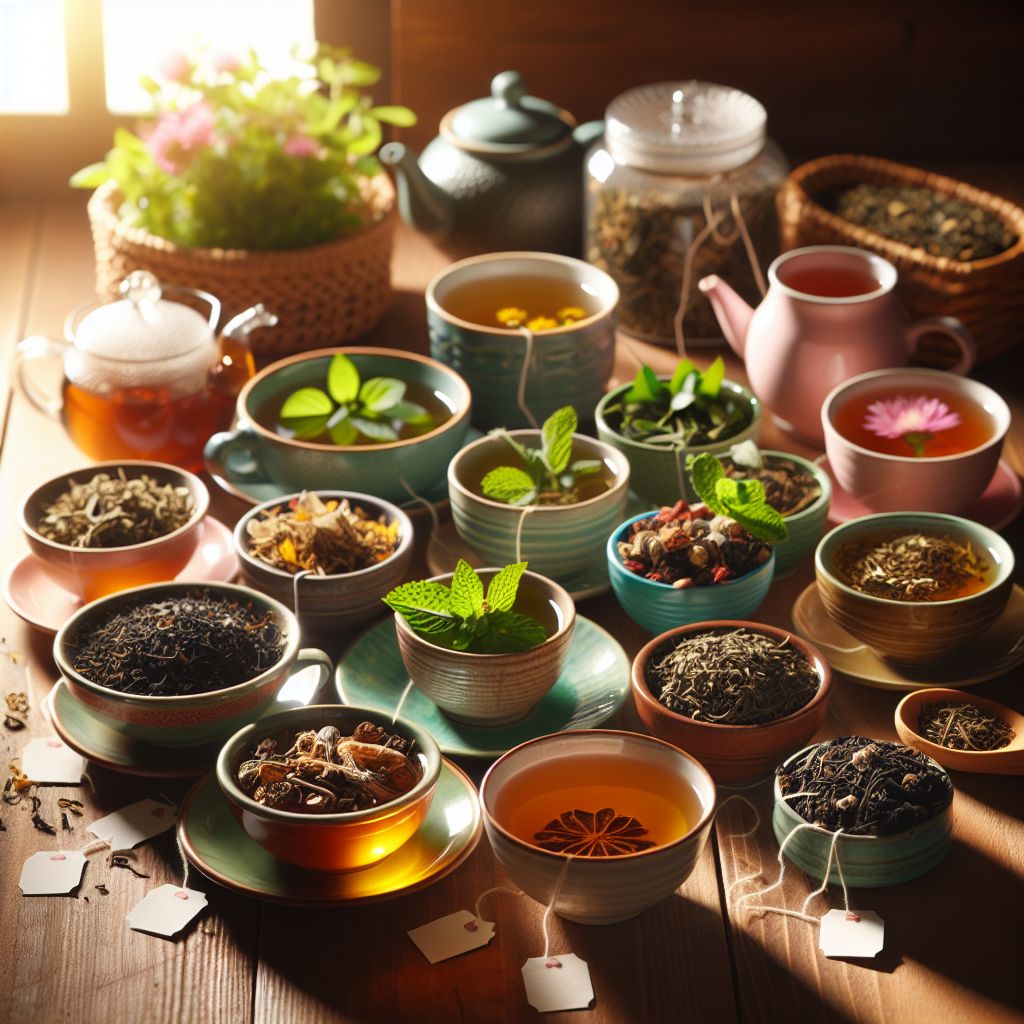
Can Any Teas Limit or Eliminate the Worse Symptoms of Menopause?
As a doctor who has dedicated over four decades to women’s health, I’ve seen firsthand the discomfort and disruption menopause can bring into a woman’s life. But I’ve also witnessed the power of natural remedies, particularly herbal teas, in bringing relief to many of these symptoms. The key is to understand which teas can be beneficial and how to use them safely and effectively.
The Potential of Herbal Teas in Menopause Symptom Management
Menopause is not just a single event, but a journey that includes perimenopause, menopause itself, and postmenopause. Each stage comes with its own set of challenges. Herbal teas can be a soothing and natural part of the solution. They have been used for centuries to help with everything from sleep disturbances to mood swings, and they can be a comforting ritual in your daily routine.
However, not all teas are created equal. The best teas for menopause symptoms contain specific herbs that have properties which may help balance hormone levels or provide relief from symptoms. But remember, while some women may find significant relief with herbal teas, others may experience more subtle benefits. It usually is a matter of trying different options to see what works for you. Frequently women don’t try anything because of fear of not knowing enough about that tea.
Understanding the Mechanisms: How Teas Can Make a Difference
Many herbal teas contain phytoestrogens, plant-based compounds that mimic estrogen in the body. During menopause, estrogen levels drop, leading to many of the symptoms women experience. By introducing phytoestrogens, some teas may help balance hormone levels and reduce symptoms.
Other teas might work by promoting relaxation or sleep, which can be particularly helpful since menopause can disrupt sleep patterns. Some herbs have been used traditionally to support the nervous system or to help with digestive issues, which can also be problematic during menopause.
Common Misconceptions about Tea and Menopause
There’s a lot of misinformation out there, and it’s important to clear the air. For instance, drinking tea is not a cure-all. It should be part of a broader lifestyle approach that includes a balanced diet, regular exercise, and stress management. Additionally, just because a remedy is natural does not mean it is safe for everyone. Herbs can have side effects and interact with other medications, so it’s usually helpful and important to talk to your healthcare provider first unless you don’t take any medication.
If So, Which Teas?
Choosing the right tea involves understanding your symptoms and how different herbs work. Let’s explore some of the best options for menopause symptom relief and how they can be integrated into your wellness routine.
The Best Herbal Teas for Menopause Symptom Relief
When it comes to herbal teas for menopause, there are a few standout options:
-
Black Cohosh: This herb has been widely studied and is often used for hot flashes and night sweats. It’s thought to work by affecting serotonin levels and other neurotransmitters. It also has the highest level of phytoestrogens of the natural products available to you.
-
Red Clover: Rich in isoflavones, a type of phytoestrogen, red clover may help with hot flashes and bone health.
-
Valerian Root: Known for its sleep-promoting properties, valerian can be beneficial if menopause is causing insomnia or restlessness.
Each of these herbs can be found in tea form, either on their own or blended with other ingredients that may provide additional benefits. It’s essential to choose high-quality teas and to pay attention to how your body responds to them. The difference between taking the herb as a tea vs a pill is that the brewing process can extract nutrients that your body might not otherwise be able to do. What works for one person may not work for another, and the effects can vary based on the severity of your symptoms and your overall health profile. For more information on managing symptoms, read about how extra vitamin B12 affects menopause.
Most importantly, remember that any herbal tea should be consumed in moderation. Excessive consumption of any herb may lead to side effects or interfere with other health conditions and medications. Therefore, always start with a small amount to see how your body reacts and consult with your healthcare provider before making herbal teas a regular part of your routine.
Because lifestyle factors play a significant role in menopause symptom management, it’s also beneficial to look at your diet, exercise habits, and stress levels. Herbal teas can be a soothing addition to these lifestyle changes, creating a holistic approach to managing menopause.
Besides that, be aware of how you prepare your tea. Steeping time and water temperature can affect the strength and efficacy of the tea. Follow the instructions on the tea package or consult with a knowledgeable herbalist to ensure you’re getting the most out of your herbal tea experience.
Now that we’ve laid the groundwork, let’s dive deeper into each herb and how to incorporate these teas into your daily routine for maximum benefit. Stay tuned as we explore each option in detail, including how to prepare them and other complementary practices to support your menopause journey.
Understanding the Mechanisms: How Teas Can Make a Difference
When we sip on a cup of herbal tea, we’re not just enjoying a warm beverage; we’re engaging in a practice steeped in tradition and potential health benefits. For women in the throes of menopause, certain teas can offer more than just comfort. They contain natural compounds that may help alleviate some of the most troublesome symptoms of menopause.
For instance, phytoestrogens found in some herbal teas can mimic the effects of estrogen in the body, potentially easing hot flashes and night sweats. Other herbs might have a calming effect, aiding with sleep disturbances or mood swings. It’s this intricate dance between natural plant compounds and our body’s own chemistry that can make herbal teas a valuable part of managing menopause symptoms.
Common Misconceptions about Tea and Menopause
Despite the potential benefits, there are several misconceptions about herbal teas and menopause. Some believe that any tea will have the desired effect, which is not the case. Specific herbs have particular properties that can be beneficial for menopausal symptoms. Another common myth is that these teas provide instant relief. In reality, the effects may be gradual and vary from person to person.
“Herbal teas are not a one-size-fits-all remedy. It’s important to understand your body’s needs and the specific benefits of each herb.” –
Moreover, some might think that herbal teas are completely free of side effects. While they are generally safe, they can interact with medications and may not be suitable for everyone. It’s essential to consult with a healthcare provider before integrating herbal teas into your routine, especially if you have existing health conditions or are taking other medications.
Finally, it’s a misconception that drinking herbal teas alone can manage all menopause symptoms. A holistic approach, including a balanced diet and regular exercise, is more effective. Herbal teas should complement these lifestyle changes, not replace them.
If So, Which Teas?
Now that we’ve addressed some common misconceptions, let’s focus on the specific herbal teas that can help manage menopause symptoms. The following herbs have been traditionally used and are backed by varying degrees of scientific research:
The Best Herbal Teas for Menopause Symptom Relief
Black cohosh, red clover, and valerian root are among the most popular herbs for menopause symptom relief, but there are others worth considering:
-
Ginseng: Some studies suggest that ginseng may help improve mood and sleep, as well as reduce hot flashes.
-
Dong Quai: Often called “female ginseng,” Dong Quai is used in traditional Chinese medicine for a variety of women’s health issues, including menopause symptoms.
-
Chasteberry: Also known as Vitex, chasteberry has been used to help with menstrual cycle irregularities and may have benefits during perimenopause.
-
Sage: Sage tea is sometimes recommended for its potential to reduce sweating and hot flashes.
-
St. John’s Wort: While best known for its antidepressant properties, St. John’s Wort may also be helpful for mood swings associated with menopause. It should not be used if you are already taking an antidepressant drug.
Choosing the right tea involves knowing your body and understanding the benefits and potential risks of each herb. It’s also important to source your teas from reputable suppliers to ensure quality and safety. And as always, moderation is key—overconsumption of any herb can lead to unwanted side effects.
Here’s how you might incorporate these teas into your routine:
-
Start your day with a cup of ginseng tea to boost your mood and energy levels.
-
Enjoy a cup of Dong Quai tea in the afternoon to support overall women’s health.
-
Sip on sage tea in the evening if you’re experiencing night sweats.
-
Have a cup of St. John’s Wort tea when you’re feeling mood swings, but be mindful of its interactions with other medications especially antidepressants.
Remember, while herbal teas can be a valuable tool in managing menopause symptoms, they should be used in conjunction with a healthy lifestyle. Regular exercise, a balanced diet, and proper hydration all play a crucial role in your overall well-being during menopause.
In the next section, we will delve into how to prepare these teas for optimal benefit and discuss other complementary practices that can support your journey through menopause and perimenopause.
Preparing Herbal Teas for Optimal Benefits
Let’s talk about making the most of these herbal allies. To reap the full benefits, it’s crucial to prepare your teas properly. For most herbal teas, this means steeping them in hot water for about 5 to 10 minutes. This allows the water to extract the active ingredients effectively. If you’re using loose herbs, a general guideline is to use about one teaspoon of dried herb per cup of water. Adjust according to your taste and the herb’s strength. In most cases its not a good idea to excessively boil the tea. In most cases bring the water to a boil, pour it in the cup and then add the tea to the water to steep as it slowly cools to a drinkable temperature. An herbalist can give you exceptions to this general principle of brewing herbal teas.
Be mindful that some herbs, like St. John’s Wort, can be quite potent and may interact with other medications. It’s also worth noting that the quality of your tea matters. Organic, non-GMO herbs are the best choice to avoid pesticides and other chemicals that can undermine the health benefits you’re seeking.
Once you’ve prepared your tea, find a quiet moment to enjoy it. This can be a time for reflection or a moment of peace in your busy day. The ritual of drinking tea itself can be calming and therapeutic.
Complementary Practices to Enhance the Benefits of Herbal Teas
While herbal teas can be a comforting and potentially effective way to manage menopause symptoms, they work best as part of a holistic approach to wellness. Here are some complementary practices that can enhance the benefits of your herbal tea regimen:
-
Regular Exercise: Engaging in physical activity can help regulate hormones, improve mood, and promote better sleep. Try to include both cardiovascular exercises and strength training in your routine.
-
Healthy Diet: Eating a balanced diet rich in fruits, vegetables, healthy fats, range fed animal proteins can support overall health and help mitigate menopause symptoms.
-
Stress Reduction: Techniques like sustained prayer, deep breathing, or chi gong can reduce stress, which often exacerbates menopause symptoms.
-
Adequate Sleep: Establishing a regular sleep schedule and creating a restful environment can improve the quality of your sleep during menopause.
By combining herbal teas with these practices, you can create a powerful synergy that supports your body and mind during the menopausal transition.
Conclusion
In conclusion, the journey through menopause and perimenopause is unique for every woman, but natural remedies like herbal teas can offer gentle and effective support. Remember to choose your teas carefully, prepare them correctly, and enjoy them as part of a broader health-focused lifestyle.
Embrace this time of change with grace and knowledge, and let the natural world provide comfort and relief. You’re not alone on this journey, and there are many resources and remedies available to help you manage the symptoms of menopause and perimenopause.
So, brew yourself a cup of healing herbal tea, take a deep breath, and savor the moment. Your path to wellness is yours to shape, and with the right tools and support, you can navigate this natural transition with ease and health.
Stanley Lang, M.D. has been in active medical practice since 1978. He has been a family physician during these years with detailed experience in all age groups including delivering babies for several years. He has been a pioneer in developing models of wholistic health care that bring health to the whole person. He has particularly focussed on reversing Chronic Stress effects on the body. He is the creator of the Shalom Method for Wholistic Health, and he has created several online programs that allow patients to naturally self manage their problems including “The Natural Lyme disease Treatment Program”, the “Menopause Balancing Program”, “The Happy Healthy Child” program plus many others. www.positivepause.co.uk
The best herbal teas to relieve peri-menopause symptoms
May 1, 2023 — 10 herbal teas to help menopause symptoms · Liquorice tea · Ginger…www.medicalnewstoday.com
10 of the best teas to relieve menopause symptoms
Dec 23, 2021 — Some of the best teas for menopause · Black cohosh · Red clover
The effect of herbal tea capsule on menopause hot flashes – PMC
by M Kheirkhah · 2018 · Cited by 5 — Therefore, it is recommended that midwives …


Leave a Reply