
Key Takeaways
-
Menopause belly is primarily caused by hormonal changes, slow metabolism, and lifestyle factors.
-
Addressing menopause belly is crucial for reducing risks of cardiovascular diseases, diabetes, and mental health issues.
-
Natural remedies like dietary adjustments, exercise programs, and herbal supplements can effectively manage menopause belly.
-
Incorporating mind-body practices such as yoga and meditation helps in stress relief and overall well-being.
-
Creating sustainable lifestyle habits, including quality sleep and regular health checkups, is essential for long-term health.
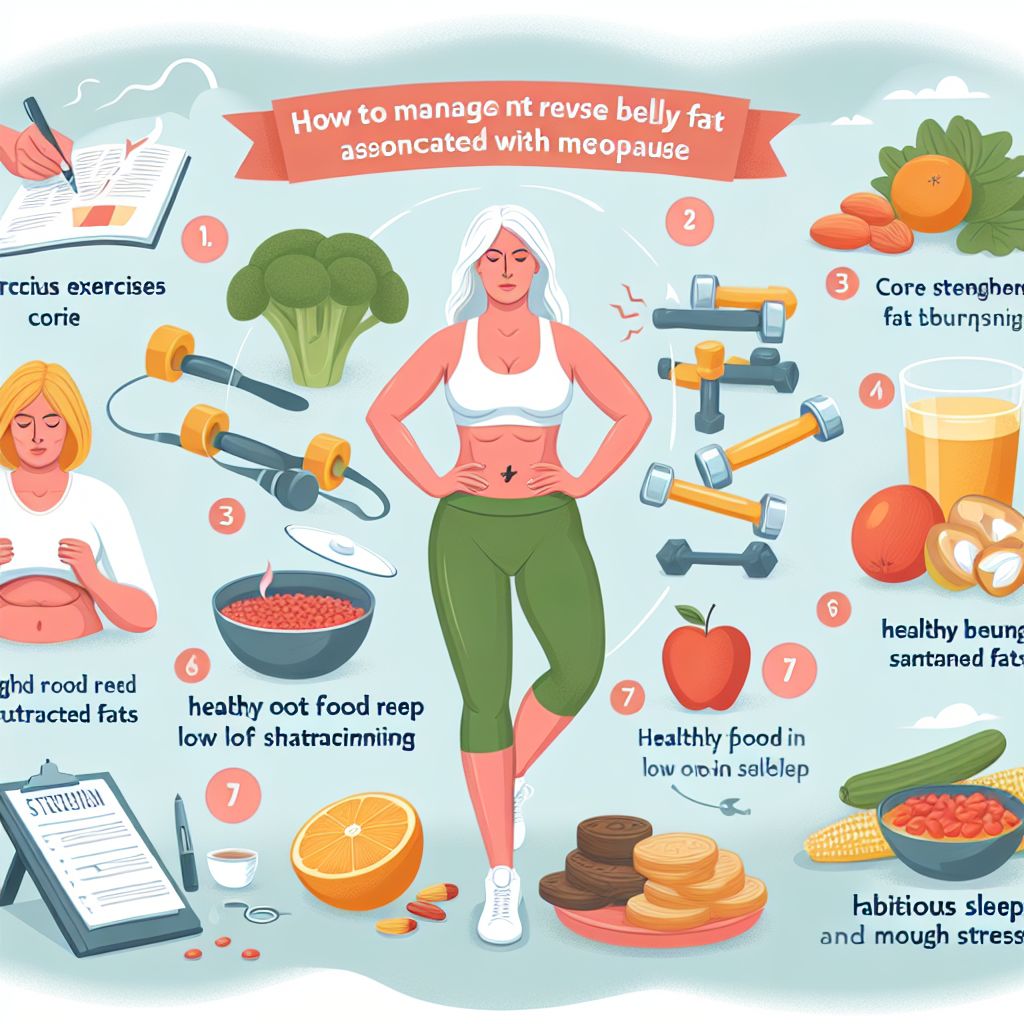
Menopause belly is a common problem caused by the intersection of aging, deconditioning and profound hormonal changes which causes unwanted weight gain and fat in the belly
Menopause belly refers to the weight gain and accumulation of fat around the midsection that many women experience during menopause. This is not just a cosmetic issue but a significant health concern. Understanding the underlying causes and implementing natural treatments can make a big difference.
Understanding Menopause Belly
Menopause is a natural phase in a woman’s life, typically occurring between ages 45 and 55. During this time, hormonal changes, particularly the decline in estrogen, lead to various symptoms, including weight gain around the abdomen. This type of fat, the visible abdominal fat correlates with a lurking major risk known as visceral fat, and is particularly concerning because it surrounds vital organs.
Importance of Addressing Menopause Belly
It’s essential to address menopause belly not only for aesthetic reasons but also for health. Visceral fat is metabolically active and increases the risk of several health issues especially heart disease. While many people forget this detail, heart disease is the leading cause of death in both women and men. Tackling this problem early can prevent complications and improve overall quality of life.
Causes of Menopause Belly
Hormonal Changes and Their Impact
One of the primary causes of menopause belly is the hormonal shift that occurs during menopause. Estrogen levels drop, which affects how fat is distributed in the body. Instead of being stored in the hips and thighs, fat starts accumulating around the abdomen.
Slow Metabolism During Menopause
As we age, our metabolism naturally slows down mainly because we let it slow down. This means that the body burns fewer calories at rest and during activity. During menopause, this slowdown is exacerbated, making it easier to gain weight even if eating habits remain unchanged. For effective remedies, consider these top treatments for menopause fatigue relief.
Lifestyle Factors Contributing to Belly Fat
Besides hormonal changes and slower metabolism, several lifestyle factors contribute to menopause belly:
-
Lack of physical activity
-
Poor dietary choices
-
High stress levels
-
Inadequate sleep
Health Risks Associated with Menopause Belly
Menopause belly isn’t just a matter of fitting into your favorite jeans. The health risks associated with excess belly fat are serious and multifaceted, including menopause fatigue relief.
Cardiovascular Diseases
Excess belly fat is linked to an increased risk of cardiovascular diseases. Visceral fat releases inflammatory markers and hormones that can lead to high blood pressure, elevated cholesterol levels, and a higher risk of heart attacks and strokes.
Diabetes Risk
Visceral fat also affects how the body processes insulin, leading to insulin resistance. This can eventually result in type 2 diabetes, a condition that significantly impacts overall health and quality of life. Learn more about how visceral fat worsens menopause symptoms.
Impact on Mental Health
Besides physical health risks, menopause belly can affect mental health. The stress of dealing with unwanted weight gain and changes in body image can lead to anxiety, depression, and lowered self-esteem.
“It’s a fact of life that menopausal weight accumulation around the middle — even if you haven’t gained a single pound — puts you at greater risk for cardiovascular disease.” — Dr. Pamela Peeke
Inflammatory Conditions
Excess visceral fat is associated with chronic inflammation, which can lead to various inflammatory conditions such as arthritis. Chronic inflammation also plays a role in the development of other serious diseases, including cancer. Learn more about intermittent fasting for menopause and its benefits.
Natural Remedies to Manage Menopause Belly
Managing menopause belly naturally involves a combination of dietary adjustments, exercise, and mind-body practices. These strategies not only help reduce belly fat but also improve overall health.
Dietary Adjustments
What you eat plays a crucial role in managing menopause belly. Making specific dietary changes can help reduce fat accumulation and improve metabolism. There are two key factors: low glycemic eating and avoiding the seed oils commonly used in cooking.
Exercise Programs
Regular physical activity is essential for burning calories and maintaining a healthy weight. Incorporating different types of exercises can target belly fat effectively.
Herbal Supplements
Herbal supplements can be a valuable addition to your regimen for managing menopause belly. These natural remedies have been used for centuries to balance hormones, reduce inflammation, and promote weight loss. However, it’s essential to consult with a healthcare provider before starting any new supplement to ensure it’s safe for you.
Several herbal supplements have shown promise in addressing menopause symptoms and helping reduce belly fat. Let’s explore some of the most effective options.
Mind-Body Practices
Besides dietary changes and exercise, incorporating mind-body practices can significantly impact your journey to reduce menopause belly. These practices help manage stress, improve mental health, and promote overall well-being.
Stress is a significant contributor to weight gain, particularly around the abdomen. When you’re stressed, your body releases cortisol, a hormone that can lead to increased fat storage, especially in the belly area. Therefore, managing stress is crucial in addressing menopause belly.
Effective Diet Changes
Diet plays a pivotal role in managing menopause belly. Making specific changes to your eating habits can help you lose belly fat and improve your overall health. For more information on how diet can impact menopause symptoms, read 12 Natural Remedies for Menopause.
Reducing Refined Carbs
Refined carbohydrates, such as white bread, pasta, and sugary snacks, can spike your blood sugar levels and lead to weight gain. Reducing your intake of these foods is essential for managing menopause belly.
Instead, opt for vegetables and fruit. Grains are a common trap for women in this situation as they are all high glycemic. These complex carbohydrates are digested more slowly, keeping you fuller for longer and helping to stabilize blood sugar levels.
Prioritizing Protein Intake
Protein is crucial for maintaining muscle mass, especially as you age. It also helps keep you feeling full, reducing the likelihood of overeating. Including protein-rich foods in your diet can aid in weight loss and reduce belly fat.
Some excellent sources of protein include lean meats, fish, eggs, beans, and legumes. Incorporating these into your meals can make a significant difference in managing menopause belly.
Incorporating Healthy Fats
Not all fats are bad for you. Healthy fats, such as those found in avocados, nuts, seeds, and olive oil, can help reduce inflammation and promote weight loss. These fats can also improve heart health, which is particularly important during menopause. Animal fats that come from range fed animals are actually the healthiest fats you can eat in spite of the years of misinformation from the medical and food establishments.
Incorporating these healthy fats into your diet can help you manage menopause belly more effectively.
Exercises to Reduce Menopause Belly
Exercise is a critical component of managing menopause belly. A combination of aerobic exercises, strength training, and core-focused workouts can help you burn fat and build muscle.
Aerobic Exercises
Aerobic exercises, also known as cardio, are excellent for burning calories and improving cardiovascular health. Activities such as walking, jogging, cycling, and swimming can help reduce overall body fat, including belly fat. For more tips on how to beat menopausal belly fat, check out this resource.
Strength Training
Strength training is essential for building and maintaining muscle mass, which naturally declines with age. Muscle tissue burns more calories at rest than fat tissue, making it easier to manage your weight. For additional ways to manage menopause symptoms, you might find these effective remedies for menopause fatigue helpful.
Incorporate strength training exercises, such as weight lifting, resistance band exercises, and bodyweight exercises like squats and push-ups, into your routine.
High-Intensity Interval Training (HIIT)
HIIT involves short bursts of intense exercise followed by brief rest periods. This type of workout is highly effective for burning fat and improving cardiovascular fitness. Learn more about the best activity for weight loss in perimenopause and menopause.
Examples of HIIT exercises include sprinting, jumping jacks, and burpees. Incorporating HIIT into your exercise routine can help you reduce menopause belly more quickly. For more strategies, check out ways to beat menopausal belly fat.
Core-Focused Workouts
Core-focused workouts target the muscles in your abdomen, helping to tone and strengthen this area. Exercises like planks, crunches, and leg raises can help you achieve a flatter stomach.
Including these exercises in your routine can help you manage menopause belly more effectively.
Herbal and Natural Supplements
In addition to dietary changes and exercise, certain herbal and natural supplements can help manage menopause belly. These supplements can balance hormones, reduce inflammation, and promote weight loss.
Let’s explore some of the most effective herbal and natural supplements for managing menopause belly.
Benefits of Black Cohosh
Black cohosh is a popular herbal supplement used to manage menopause symptoms. It can help balance hormones and reduce hot flashes, night sweats, and mood swings. It is the most potent phytoestrogen in the plant world.
While more research is needed, some studies suggest that black cohosh may also help with weight management, making it a valuable addition to your regimen.
Role of Flaxseed
“Flaxseed is rich in lignans, which are plant compounds that mimic estrogen in the body. This can help balance hormone levels and reduce menopause symptoms.” — Dr. Disha Narang— however these estrogens are different– they don’t stimulate breast estrogen receptors and in fact block them, decreasing risk of breast cancer.
Flaxseed is also high in fiber, which can help you feel full and reduce overeating. Adding ground flaxseed to your smoothies, yogurt, or oatmeal can provide these benefits. Learn more about how maca helped improve menopause symptoms.
Benefits of Green Tea Extract
Green tea extract is known for its antioxidant properties and ability to boost metabolism. It contains catechins, which can help burn fat and promote weight loss.
Incorporating green tea extract into your regimen can help you manage menopause belly more effectively.
Evening Primrose Oil
Evening primrose oil is rich in gamma-linolenic acid (GLA), a type of omega-6 fatty acid that can help reduce inflammation and balance hormones.
Some studies suggest that evening primrose oil may help reduce menopause symptoms and promote weight loss, making it a valuable supplement for managing menopause belly.
Chi Gong for Belly Fat Reduction
Tai Chi is a gentle form of exercise that involves slow, flowing movements and deep breathing. It is particularly beneficial for older adults and those who may have joint issues, as it is low-impact and easy on the body.
Practicing Chi Gong regularly can help reduce stress, improve balance, and enhance overall well-being. The mindful movements of Chi Gong promote relaxation and can help lower cortisol levels, which in turn can reduce belly fat. Incorporating Chi Gong into your routine can be a peaceful and effective way to manage menopause belly. It has been proven to bring balance to the stress/ anti-stress systems in your body.
Meditation for Stress Relief
Prayerful meditation is a powerful tool for managing stress, which is a significant contributor to weight gain around the abdomen. By practicing prayer based meditation regularly, you can reduce cortisol levels and promote a sense of calm and well-being and most importantly, connection with God. Additionally, certain adaptogens for menopause stress can complement your meditation practice.
Creating Sustainable Lifestyle Habits
Creating sustainable lifestyle habits is essential for long-term success in managing menopause belly. By making small, consistent changes, you can improve your health and well-being over time.
Building a Healthy Routine
Building a healthy routine involves incorporating regular exercise, balanced nutrition, and stress management techniques into your daily life. Start by setting realistic goals and gradually making changes to your habits.
For example, aim to exercise for at least 30 minutes most days of the week, eat a balanced diet rich in whole foods, and practice stress-relief techniques like yoga or meditation. Consistency is key to achieving and maintaining a healthy lifestyle. For more tips, check out these strategies to beat menopausal belly fat.
Getting Quality Sleep
Quality sleep is crucial for overall health and weight management. During menopause, many women experience sleep disturbances, which can contribute to weight gain and other health issues. Learn more about how visceral fat worsens menopause symptoms and impacts your sleep quality.
To improve sleep quality, establish a regular sleep schedule, create a relaxing bedtime routine, and ensure your sleep environment is comfortable and conducive to rest. Avoid caffeine and electronic devices before bedtime, as they can interfere with your ability to fall asleep. For more tips, check out these strategies to improve sleep especially limiting EMF.
Tracking Progress
Tracking your progress can help you stay motivated and make adjustments to your routine as needed. Keep a journal to record your exercise, diet, sleep, and stress management activities. Note any changes in your weight, measurements, and how you feel overall.
By regularly reviewing your progress, you can identify what works best for you and make informed decisions about your health and wellness journey. For instance, understanding how maca helped improve menopause symptoms can be beneficial.
Frequently Asked Questions (FAQ)
Here are some common questions about managing menopause belly and natural treatments:
-
How long does it take to see results?
-
What foods should I avoid?
-
Can menopause belly be reversed?
-
Are there any side effects of herbal supplements?
-
Is it necessary to consult a doctor before starting natural remedies?
How long does it take to see results?
The time it takes to see results varies from person to person. Consistency is key. With regular exercise, a balanced diet, and stress management, you may start to notice improvements in a few weeks to a few months. Remember, everyone’s body is different, so be patient and stay committed to your routine.
What foods should I avoid?
To manage menopause belly, it’s best to avoid refined carbohydrates, sugary snacks, and processed foods. These can spike blood sugar levels and contribute to weight gain. Instead, focus on whole foods, such as fruits, vegetables, lean proteins, and healthy fats.
Can menopause belly be reversed?
Yes, with the right combination of diet, exercise, and lifestyle changes, you can reduce and even reverse menopause belly. It’s essential to be consistent and patient, as it may take time to see significant changes.
Are there any side effects of herbal supplements?
While many herbal supplements are generally safe, they can have side effects or interact with medications. If you are taking medicine it’s helpful to consult with a healthcare provider before starting any new supplement to ensure it’s safe for you.
Is it necessary to consult a doctor before starting natural remedies?
Yes, if the doctor knows anything about natural strategies. Many are highly biased and ill informed about natural strategies so do your homework before accepting advice from somebody who is biased against natural treatments.
In conclusion, managing menopause belly requires a holistic approach that includes dietary adjustments, regular exercise, herbal supplements, and mind-body practices. By making these changes and creating sustainable lifestyle habits, you can improve your health and well-being during menopause and beyond.
Menopause can bring about a variety of symptoms, including the dreaded menopause belly. This condition can be frustrating, but there are natural ways to manage it. One effective method is incorporating cruciferous vegetables into your diet. These vegetables can help balance your hormones naturally, which may reduce the symptoms of menopause.
Another approach is using adaptogens like maca, which have been shown to lower menopause stress. By making these small adjustments to your lifestyle, you can better manage menopause symptoms and improve your overall well-being.
Stanley Lang, M.D. has been in active medical practice since 1978. He has been a family physician during these years with detailed experience in all age groups including delivering babies for several years. He has been a pioneer in developing models of wholistic health care that bring health to the whole person. He has particularly focussed on reversing Chronic Stress effects on the body. He is the creator of the Shalom Method for Wholistic Health, and he has created several online programs that allow patients to naturally self manage their problems including “The Natural Lyme disease Treatment Program”, the “Menopause Balancing Program”, “The Happy Healthy Child” program plus many others. zoe.com
12 Natural Remedies for Menopause and How Diet Can Help
Mar 19, 2024 — There’s evidence that the herbal remedy made from a pollen extrac…
The reality of menopause weight gain
Jul 8, 2023 — Move more. Physical activity, including aerobic exercise and stren…



Leave a Reply