
Key Takeaways
-
Weight-bearing exercises are crucial for bone health during menopause.
-
Walking is a simple and effective weight-bearing exercise.
-
Regular exercise helps stimulate bone growth and improve bone density.
-
Consult with healthcare professionals to tailor an exercise program to your needs.
-
Consistency and proper frequency of exercise are key to maximizing benefits.
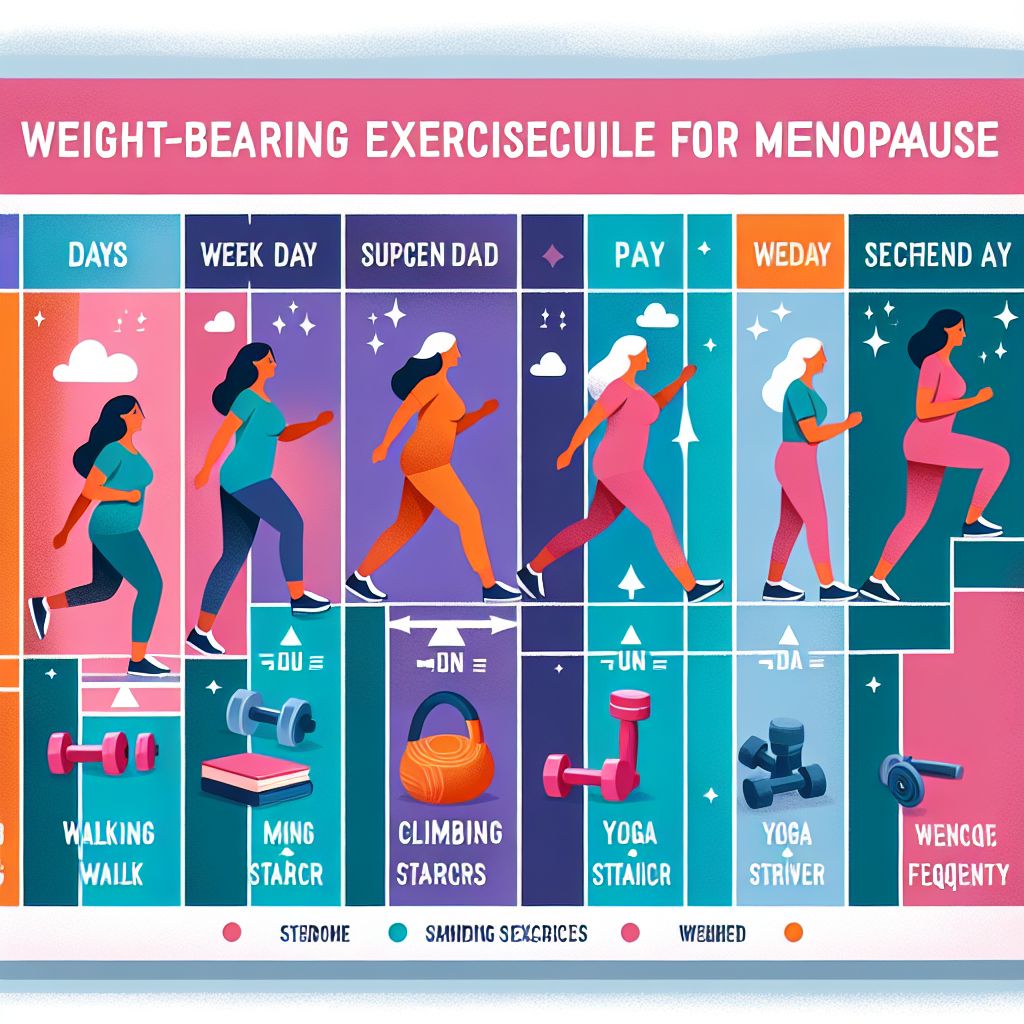
While exercise is always a good thing for people
Exercise is beneficial for everyone, but it’s especially important for women going through menopause. This phase of life brings significant changes, including a decline in bone density, making it crucial to focus on maintaining bone health. Weight-bearing exercises play a pivotal role in this regard.
Weight Bearing Exercises and Their Benefits
Weight-bearing exercises are those that force your body to work against gravity. They include activities like walking, jogging, dancing, and resistance training. These exercises help to build and maintain bone density, which is essential during menopause when the risk of osteoporosis increases.
Besides strengthening bones, weight-bearing exercises offer numerous other benefits:
-
Improving muscle strength and coordination
-
Enhancing balance, reducing the risk of falls
-
Boosting cardiovascular health
-
Helping with weight management
How Weight Bearing Exercises Improve Bone Health
Weight-bearing exercises stimulate bone formation by creating mechanical stress on the bones. This stress encourages osteoblasts, the cells responsible for bone formation, to increase their activity. Over time, this leads to stronger, denser bones. Learn more about the natural treatment for menopause belly and how exercise can help.
Most importantly, regular weight-bearing exercise can slow down the rate of bone loss that occurs naturally with aging. This is particularly crucial during menopause when hormonal changes accelerate bone density reduction. For more details, check out this guide on exercise and menopause.
Recommended Types of Weight Bearing Exercises
Not all exercises are created equal when it comes to bone health. The most effective weight-bearing exercises include:
-
Walking: A simple, low-impact exercise that can be done anywhere.
-
Jogging or Running: Higher impact than walking, but excellent for bone health.
-
Dancing: Fun and effective, dancing combines weight-bearing with cardiovascular benefits.
-
Resistance Training: Using weights or resistance bands to build muscle and bone strength.
It’s important to choose exercises that you enjoy and can do consistently. Consistency is key to reaping the benefits of weight-bearing exercises.
As long as they are within the boundaries of their abilities
While exercise is beneficial, it’s crucial to stay within your physical limits to avoid injury. This is especially important during menopause when the body undergoes various changes. For more information, check out this guide on the best exercise to do during menopause.
Understanding Your Limitations
Listen to your body. If you experience pain or discomfort during exercise, it may be a sign that you’re pushing too hard. It’s essential to differentiate between the normal discomfort of physical exertion and pain that signals potential injury.
Consulting with Healthcare Professionals
Before starting any new exercise program, especially during menopause, consult with your healthcare provider. They can help you determine the best exercises for your needs and ensure that you’re not putting yourself at risk for injury. For more information, you can read about exercise and menopause.
Adjusting Exercise Intensity and Frequency
Start slowly and gradually increase the intensity and frequency of your workouts. Aim for at least 30 minutes of moderate weight-bearing exercise most days of the week. This can include a mix of walking, resistance training, and other activities that you enjoy.
Weight bearing exercise is critical for bone health
-
Stimulates bone formation
-
Slows down bone loss
-
Improves muscle strength and coordination
-
Enhances balance
The Science Behind Bone Health and Weight Bearing Exercises
The science is clear: weight-bearing exercises are essential for maintaining bone health, particularly during menopause. Hormonal changes during this time can lead to a decrease in bone density, making it crucial to engage in activities that promote bone strength. For more information on effective exercises, check out the best exercise to do during menopause.
The Science Behind Bone Health and Weight Bearing Exercises
Weight-bearing exercises are vital for bone health because they stimulate bone remodeling. When you engage in activities that require your bones to bear weight, it creates mechanical stress on the bone tissue. This stress signals the bone-forming cells, known as osteoblasts, to increase their activity, resulting in stronger and denser bones. For more information, check out this article on exercise and menopause.
Studies have shown that regular weight-bearing exercise can significantly slow down the rate of bone loss that naturally occurs with aging. This is particularly important during menopause when hormonal changes accelerate the decline in bone density. For more information on how to get ahead of bone loss, you can visit this guide on exercise and menopause.
Hormonal Impact During Menopause
During menopause, the body undergoes significant hormonal changes, particularly a decrease in estrogen levels. Estrogen plays a crucial role in maintaining bone density. When estrogen levels drop, the rate of bone resorption (breakdown) increases, leading to a higher risk of osteoporosis and fractures.
Therefore, engaging in weight-bearing exercises during menopause is critical. These exercises help counteract the effects of reduced estrogen levels by promoting bone formation and maintaining bone strength.
The Role of Calcium and Vitamin D
Calcium and vitamin D are essential nutrients for bone health. However if you normalize Vitamin D there is no need to supplement calcium as the extraction from food becomes very good. Calcium is one of the primary building blocks of bone tissue, while vitamin D helps the body absorb calcium effectively. During menopause, it’s important to ensure adequate intake of these nutrients to support bone health.
You can get calcium from dairy products, leafy green vegetables, and meat. Vitamin D can be obtained from sunlight exposure, fatty fish, and supplements if necessary. Combining a diet rich in calcium and vitamin D with regular weight-bearing exercise can help maintain strong bones during menopause. However there are other equally critical nutrients: Vitamin K2 and magnesiu
Improving bone strength
Improving bone strength involves more than just engaging in weight-bearing exercises. It’s also important to monitor and measure bone density to track progress and ensure that your efforts are paying off.
Measuring Bone Density
Bone density can be measured using a test called a DEXA scan (Dual-Energy X-ray Absorptiometry). This test provides a detailed assessment of bone mineral density and helps identify areas where bone loss may be occurring. It’s a non-invasive and quick procedure that can give valuable insights into your bone health.
Regular DEXA scans can help track changes in bone density over time and determine the effectiveness of your exercise and nutrition regimen. Discuss with your healthcare provider how often you should have a DEXA scan based on your individual risk factors and health status. For more information on managing menopause symptoms, check out how Maca helped one of my patients improve her menopause symptoms.
Indicators of Improved Bone Strength
Besides DEXA scans, there are other indicators of improved bone strength to look out for
Better balance and coordination
-
Improved posture and mobility
These indicators can provide a more comprehensive picture of your overall bone health and the effectiveness of your exercise routine.
Long-term Benefits of Regular Exercise
Regular exercise offers long-term benefits that go beyond bone health. It can improve cardiovascular health, enhance mental well-being, and help manage weight. For women navigating menopause, these benefits are particularly important as they contribute to overall quality of life and longevity.
Moreover, staying active can help reduce the risk of chronic diseases such as heart disease, diabetes, and certain cancers. Therefore, incorporating regular exercise into your daily routine is one of the best things you can do for your health during menopause and beyond. For more information, you can read about the natural treatment for menopause belly.
Walking is the most simple such exercise
Walking is one of the easiest and most accessible weight-bearing exercises. It doesn’t require any special equipment, and you can do it almost anywhere. Whether you prefer walking in a park, around your neighborhood, or on a treadmill, the benefits are immense.
Besides being a weight-bearing exercise, walking also provides cardiovascular benefits and helps improve mood and mental clarity. It’s a great way to stay active and healthy during menopause. For more information on the best activities, check out this article on the best activity for weight loss in menopause.
Benefits of Walking for Bone Health
Walking helps maintain bone density by providing the necessary mechanical stress that stimulates bone formation. It’s a low-impact exercise, making it suitable for most people, including those with joint issues or other health concerns. For those looking for the best activity for weight loss in perimenopause and menopause, walking is an excellent choice.
Additionally, walking can improve muscle strength, balance, and coordination, all of which contribute to overall bone health and reduce the risk of falls and fractures.
How to Start a Walking Program
Starting a walking program is simple and doesn’t require a lot of planning. Here are some steps to get you started:
-
Set a goal: Aim for at least 30 minutes of walking most days of the week.
-
Choose a route: Find a safe and enjoyable route for your walks.
-
Wear comfortable shoes: Invest in a good pair of walking shoes to support your feet.
-
Warm-up: Begin with a 3-minute warm-up to prepare your muscles.
-
Cool down: End your walk with a 3-minute cool-down and some gentle stretching.
Remember to start slowly and gradually increase the duration and intensity of your walks as your fitness improves.
Combining Walking with Other Exercises
While walking is an excellent weight-bearing exercise, combining it with other forms of exercise can provide even greater benefits. Consider adding resistance training, Christian Chi Gong, or Pilates to your routine to enhance muscle strength and flexibility. For more information, check out the best exercise to do for menopause belly.
Resistance training, in particular, is highly effective for building bone and muscle strength. Using weights, resistance bands, or bodyweight exercises can complement your walking program and help you achieve better overall fitness.
I encourage a walking program daily in menopause
Walking daily during menopause can significantly improve your bone health and overall well-being. It’s a simple yet powerful way to stay active and maintain strong bones. For more information on how to get ahead of bone loss, check out this guide on exercise and menopause.
Tracking Your Progress
Tracking your progress can help you stay motivated and see the benefits of your efforts. Use a pedometer, fitness tracker, or a simple journal to record your daily walks and any other exercises you do. Learn more about exercise and menopause to stay informed.
Note how you feel before and after your walks, any improvements in your fitness levels, and any changes in your bone health indicators. This information can provide valuable insights and keep you on track toward your health goals.
Staying Motivated
Staying motivated to exercise regularly can be challenging, especially during menopause when energy levels and mood can fluctuate. However, maintaining motivation is crucial for reaping the long-term benefits of weight-bearing exercises.
Here are some tips to help you stay motivated:
-
Set realistic and achievable goals.
-
Track your progress and celebrate small victories.
-
Find a workout buddy or join a group class for social support.
-
Mix up your routine to keep things interesting.
-
Remind yourself of the benefits and why you started.
To stimulate bone growth in terms of internal density
Stimulating bone growth and improving internal bone density requires a consistent and well-rounded approach. Weight-bearing exercises are a key component, but there are other factors to consider as well.
-
Ensure adequate intake of calcium and vitamin D magnesium and Vitamin K2.
-
Incorporate a variety of weight-bearing and resistance exercises.
-
Maintain a healthy diet rich in nutrients that support bone health.
-
Avoid smoking and excessive alcohol consumption.
-
Get regular check-ups and bone density tests to monitor your progress.
Understanding Bone Density
Bone density refers to the amount of bone mineral in bone tissue. Higher bone density means stronger bones, which are less likely to fracture. During menopause, maintaining bone density becomes more challenging due to hormonal changes that accelerate bone loss.
Regular weight-bearing exercises help counteract this process by stimulating bone formation and slowing down bone resorption– but this only happens if the right nutrients are there. This is why it’s crucial to engage in these activities consistently. For more information on maintaining health during menopause, check out this article on natural treatments for menopause belly.
Exercises That Enhance Bone Density
In addition to walking, several other exercises can enhance bone density:
-
Resistance Training: Lifting weights or using resistance bands to build muscle and bone strength.
-
High-Impact Activities: Jumping, running, and dancing, which create more mechanical stress on bones.
-
Balance Exercises: Yoga and Pilates, which improve coordination and reduce the risk of falls.
-
Stair Climbing: A simple way to increase weight-bearing activity in your daily routine.
The Importance of Consistency
Consistency is key when it comes to improving bone density and overall health. Aim to incorporate weight-bearing exercises into your routine most days of the week. This doesn’t mean you have to do the same activity every day; variety can help keep you engaged and motivated.
Remember, the benefits of exercise are cumulative. The more consistent you are, the greater the positive impact on your bone health.
FAQs
Here are some frequently asked questions about weight-bearing exercises during menopause:
How often should I do weight-bearing exercises during menopause?
For optimal bone health, aim to engage in weight-bearing exercises at least 3-4 times a week— but a daily walk is better. Ideally, incorporate a mix of activities such as walking, resistance training, and high-impact exercises to maximize the benefits.
-
Start with shorter sessions and gradually increase the duration.
-
Listen to your body and avoid overexertion.
-
Combine different types of exercises to target various muscle groups and bone areas.
What are some weight-bearing exercises other than walking?
Besides walking, here are some effective weight-bearing exercises:
-
Jogging or Running: Higher impact than walking, great for bone health.
-
Dancing: Fun and effective for both bone and cardiovascular health.
-
Resistance Training: Using weights or resistance bands to build muscle and bone strength.
-
Stair Climbing: Increases weight-bearing activity in your daily routine.
-
Christian Chi Gong: Improve balance, flexibility, and muscle strength.
Incorporating a variety of these exercises can help you stay engaged and motivated while providing comprehensive benefits for your bone health.
In conclusion, weight-bearing exercises are essential for maintaining bone health during menopause. By understanding your limitations, consulting with healthcare professionals, and staying consistent with your exercise routine, you can significantly improve your bone density and overall well-being. Remember, the key is to stay active, set achievable goals, and enjoy the process. Your bones will thank you for it! For more information, check out this guide on exercise and menopause.
Stanley Lang, M.D. has been in active medical practice since 1978. He has been a family physician during these years with detailed experience in all age groups including delivering babies for several years. He has been a pioneer in developing models of wholistic health care that bring health to the whole person. He has particularly focussed on reversing Chronic Stress effects on the body. He is the creator of the Shalom Method for Wholistic Health, and he has created several online programs that allow patients to naturally self manage their problems including “The Natural Lyme disease Treatment Program”, the “Menopause Balancing Program”, “The Happy Healthy Child” program plus many others.
Menopausal Women Need Unique Muscle Making Guidelines
Oct 24, 2023 — … intensity (i.e., 3 sets of 8 reps at 75% 1RM). Include streng…
Effects of exercise frequency and training volume on bone changes …
by RM Daly · 2021 · Cited by 16 — In postmenopausal women and older men, there i…
Exercises To Improve Bone Health During Menopause
by R Tavel — Scientific evidence has shown that a well-designed exercise program…



Leave a Reply