
Article-at-a-Glance
-
Menopause belly is caused by hormonal changes, decreased metabolism, and insulin resistance.
-
Visceral fat, the fat around the organs, is particularly dangerous and can lead to serious health issues.
-
Natural treatments include dietary changes, exercise, stress management, and adequate sleep.
-
Avoiding chemical weight loss treatments can prevent serious side effects and promote long-term health.
-
Combining cardio and resistance training is especially effective in reducing menopause belly fat.
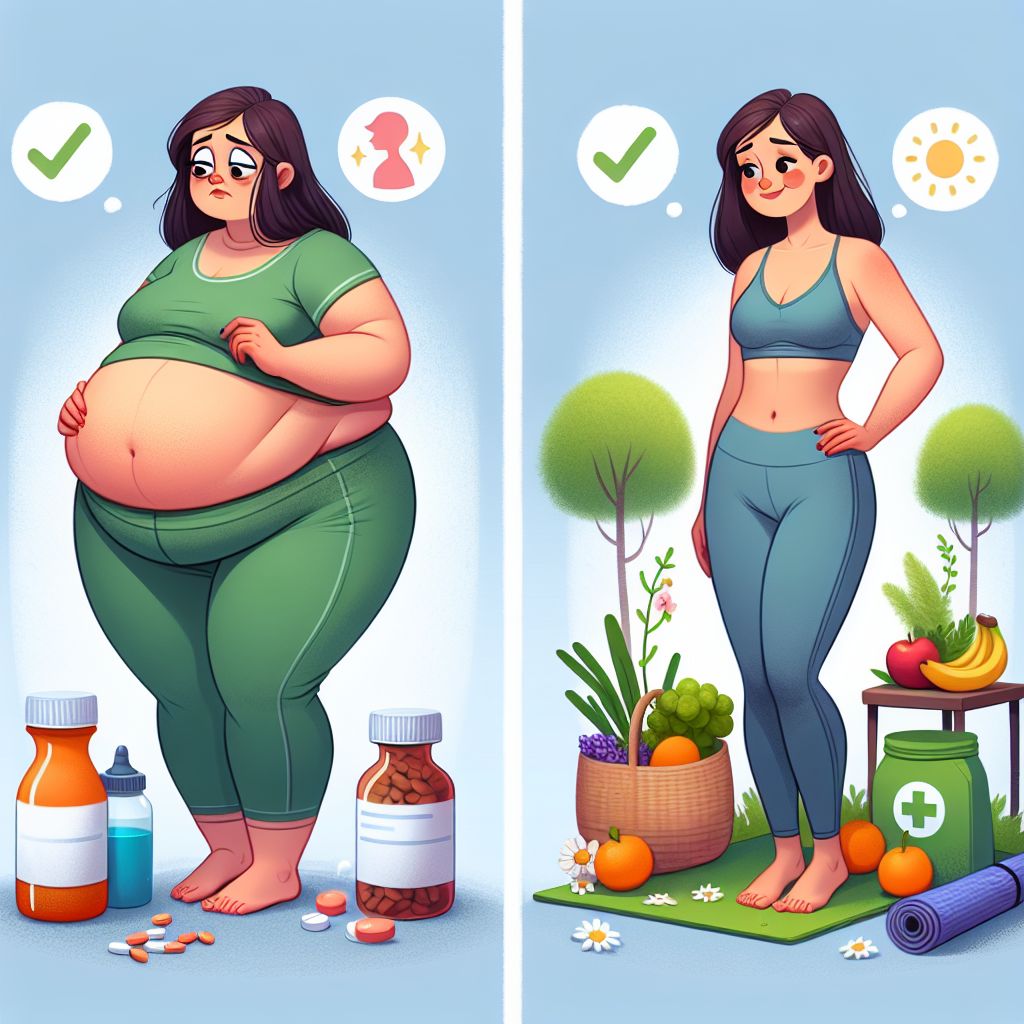
Definition of Menopause Belly
What is Menopause Belly?
Menopause belly refers to the accumulation of fat around the abdomen that many women experience during menopause. This type of fat is not only unsightly but also poses significant health risks. The primary concern is the correlation with visible belly fat with an increase in visceral fat, which is the fat stored around internal organs.
Visceral fat is different from subcutaneous fat, which lies just under the skin. Visceral fat is much more dangerous because it can lead to inflammation– especially of the arteries including the coronary arteries— and a host of other health problems.
Why Does Menopause Belly Occur?
Menopause belly occurs primarily due to hormonal changes. As women age, their levels of estrogen and progesterone fluctuate, which can lead to weight gain, especially around the abdomen. These hormonal shifts also slow down metabolism, making it easier to gain weight and harder to lose it.
Besides hormonal changes, other factors like decreased physical activity, poor diet, and stress can contribute to the development of menopause belly.
Risks Associated with Menopause Belly especially association with toxic visceral fat
Visceral fat is particularly dangerous because it is pro-inflammatory. This means it releases inflammatory substances that can lead to chronic conditions such as heart disease, diabetes, and even certain cancers. Therefore, reducing menopause belly is not just about aesthetics; it’s crucial for overall health.
Research has shown that increased belly fat is linked to higher risks of hypertension, insulin resistance, and dyslipidemia. These conditions can significantly impact your quality of life and longevity.
Causes of Menopause Belly
Hormonal Changes
During menopause, the body undergoes significant hormonal changes. Estrogen levels drop, which can lead to an increase in body fat, particularly around the abdomen. Estrogen helps regulate fat distribution, and its decrease can cause fat to accumulate in the belly area.
Progesterone levels also decline during menopause, making the belly appear larger than it actually is. For more information on managing these symptoms, check out this natural treatment for menopause belly.
Decreased Metabolism
As we age, our metabolism naturally slows down. This means that our bodies burn fewer calories at rest, making it easier to gain weight. What is not natural but is unfortunately the norm is that there is a loss of muscle in most people. This leads to a slower metabolism, combined with hormonal changes, can make it particularly challenging to maintain a healthy weight during menopause.
Besides that, muscle mass decreases with age, which further slows down metabolism. Muscle tissue burns more calories than fat tissue, so losing muscle mass means you burn fewer calories overall.
Insulin Resistance
Insulin resistance is another factor that contributes to menopause belly. As we age, our bodies can become less responsive to insulin, the hormone that regulates blood sugar levels. This can lead to higher levels of insulin in the blood, which promotes fat storage, particularly around the abdomen. This happens because of chronic stress and loss of muscle.
Insulin resistance is a significant risk factor for developing type 2 diabetes and other metabolic conditions. Therefore, managing insulin levels is crucial for reducing menopause belly and improving overall health. For more information on how menopause can affect your health, you can read about menopause and fatty liver.
Natural Treatment Options for Menopause Belly
Fortunately, there are several natural ways to combat menopause belly. These methods focus on improving diet, increasing physical activity, managing stress, and ensuring adequate sleep. By making these lifestyle changes, you can reduce belly fat and improve your overall health without resorting to chemical treatments. All the effective diets have in common that they are very low glycemic: they raise the blood sugar slowly after a meal.
Including High-Fiber Foods
One of the simplest yet most effective ways to combat menopause belly is by incorporating high-fiber foods into your diet. Foods rich in fiber help improve digestion, keep you feeling full longer, and stabilize blood sugar levels. This is particularly important because stable blood sugar levels can help reduce insulin resistance, a key factor in menopause belly.
Foods high in fiber include fruits like apples and berries, vegetables like broccoli and Brussels sprouts, legumes such as lentils and chickpeas, and whole seeds like quinoa. Aim to include a variety of these foods in your daily diet to reap the maximum benefits.
Reducing Carbohydrate Intake
Already mentioned above, most carbs in the American diet are high glycemic. I teach a low glycemic diet in the office that is called “the modified plate” and have been teaching it for more than 30 years. It works so well that it will reverse diabetes.
Incorporating Exercise especially HIIT
Exercise is crucial for reducing menopause belly. High-Intensity Interval Training (HIIT) is particularly effective because it combines short bursts of intense exercise with periods of rest or low-intensity exercise and activates the body to create growth hormone, a natural fat building hormone. This type of training can help burn more calories in a shorter amount of time compared to traditional cardio exercises.
Cardio Training
Cardio training, such as walking, running, or cycling, is not as effective as HIIT but still can be an excellent way to combat menopause belly. These exercises help burn calories and improve cardiovascular health. Aim for at least 150 minutes of moderate-intensity cardio each week, or 75 minutes of high-intensity cardio.
Consistency is key. Try to incorporate cardio exercises into your daily routine. Even simple activities like taking the stairs instead of the elevator or going for a brisk walk during your lunch break can make a significant difference. For more tips, check out this article on the best activity for weight loss in perimenopause and menopause.
Combination Training (Resistance and Cardio)
Combining resistance training with cardio exercises can provide even greater benefits. Resistance training, such as lifting weights or doing bodyweight exercises, helps build muscle mass, which can boost your metabolism and help you burn more calories even at rest.
Aim to include resistance training exercises at least two days a week. Focus on major muscle groups like the legs, back, and chest for a comprehensive workout. Combining this with regular cardio training can help you achieve optimal results in reducing menopause belly.
Ensuring Adequate Sleep
Getting enough sleep is essential for overall health and can significantly impact your ability to lose weight. Poor sleep can disrupt your hormones, increase cravings for unhealthy foods, and reduce your motivation to exercise. Aim for 7-9 hours of quality sleep each night to support your weight loss efforts.
To improve your sleep quality, establish a regular sleep schedule, create a relaxing bedtime routine, and limit exposure to screens before bed. Ensuring a comfortable sleep environment, such as a cool, dark, and quiet room, can also help you get the rest you need. For more tips on managing stress and sleep, consider learning about the best adaptogens for menopause stress.
Drinking Enough Water
Staying hydrated is another simple yet effective strategy for reducing menopause belly. Drinking enough water can help control your appetite, improve digestion, and support overall health. Aim to drink at least 8 cups of water a day, or more if you’re physically active or live in a hot climate.
Besides water, you can also stay hydrated by consuming water-rich foods like fruits and vegetables. Herbal teas and other non-caffeinated beverages can also contribute to your daily water intake.
Trying Acupuncture
Acupuncture is an ancient Chinese medicine practice that involves inserting thin needles into specific points on the body. Some studies suggest that acupuncture can help with weight loss by reducing stress, balancing hormones, and improving digestion.
While more research is needed to fully understand the effects of acupuncture on menopause belly, many people find it to be a helpful complementary therapy. If you’re interested in trying acupuncture, consult a licensed practitioner to ensure safe and effective treatment. For more information, you can also read about natural treatments for menopause belly.
Managing Stress
Stress management is crucial for reducing menopause belly. Chronic stress can lead to increased levels of cortisol, a hormone that promotes fat storage, particularly around the abdomen. By managing stress, you can help reduce cortisol levels and support your weight loss efforts.
There are many ways to manage stress, including practicing mindfulness, engaging in regular physical activity, and spending time with loved ones. Finding activities that you enjoy and that help you relax can make a significant difference in your overall well-being, such as practicing Chi Gong.
Benefits of Avoiding Chemical Treatments to lose weight- Why I Now Refuse to Prescribe these New Meds
Avoiding chemical weight loss treatments can offer numerous benefits. These treatments often come with serious side effects and can disrupt your body’s natural balance. The list of serious and sometimes permanent side effects is growing and will continue to grow. The allure of what seems like a simple treatment is a trap. You always pay a price for these drug company traps. By focusing on natural methods, you can achieve sustainable weight loss and improve your overall health without the risks associated with chemical treatments.
Importance of Natural Methods
Natural methods for weight loss are not only safer but also more effective in the long run. They promote overall health and well-being, rather than just focusing on short-term weight loss. Here are some key benefits of natural methods:
-
Improved digestion and gut health
-
Better hormone balance
-
Increased energy levels
-
Enhanced mental health and mood
-
Reduced risk of chronic diseases
By adopting natural methods, you can achieve a healthier and more balanced lifestyle, which can help you maintain a healthy weight and reduce menopause belly.
In conclusion, while menopause belly can be challenging to manage, there are several natural and effective strategies you can use to reduce it. By focusing on a healthy diet, regular exercise, adequate sleep, and stress management, you can improve your overall health and well-being without resorting to chemical treatments.
Long-term Health Effects
Natural weight loss methods tend to have more sustainable and long-lasting health effects compared to chemical treatments. When you lose weight naturally, you are more likely to develop healthy habits that can last a lifetime. These habits can help you maintain your weight loss and prevent the yo-yo effect often seen with chemical treatments.
Moreover, natural methods can improve your overall health, reducing the risk of chronic diseases such as heart disease, diabetes, and certain cancers. By focusing on a holistic approach to weight loss, you can enhance your quality of life and enjoy better health for years to come.
Comparison with Weight Loss Medications
Weight loss medications may offer quick results, but they come with a host of potential side effects. These can include nausea, diarrhea, increased heart rate, and even more severe complications like liver damage or heart problems and permanent vision loss. Additionally, many weight loss medications are only effective for short-term use and do not address the underlying causes of weight gain.
In contrast, natural weight loss methods focus on improving your overall lifestyle. They help you develop healthy eating habits, increase physical activity, and manage stress, all of which contribute to long-term weight loss and better health. By choosing natural methods, you can avoid the risks associated with chemical treatments and achieve lasting results.
Conclusion: Choosing Natural Treatments
In conclusion, while menopause belly can be challenging to manage, there are several natural and effective strategies you can use to reduce it. By focusing on a healthy diet, regular exercise, adequate sleep, and stress management, you can improve your overall health and well-being without resorting to chemical treatments.
Natural methods not only help you lose weight but also promote a healthier lifestyle. They reduce the risk of chronic diseases, improve mental health, and enhance your overall quality of life. By choosing natural treatments, you can achieve sustainable weight loss and enjoy better health for years to come.
Remember, the journey to reducing menopause belly is not a quick fix. It requires consistent effort and dedication. However, the rewards of better health and improved well-being are well worth the effort. So, take the first step today and start incorporating these natural strategies into your daily routine.
Frequently Asked Questions
What Foods Help Reduce Menopause Belly?
The foods that are part of a Carnivore diet or a Ketogenic diet or a more traditional diet minus the grains, potatoes, rice, sugar and ALL processed foods.
Can Exercise Alone Reduce Menopause Belly?
While exercise is crucial for reducing menopause belly, it is most effective when combined with a healthy diet and other lifestyle changes. High-Intensity Interval Training (HIIT) and a combination of cardio and resistance training can help burn calories and build muscle, which can reduce belly fat. However, addressing factors like diet, sleep, and stress management is also essential for optimal results.
How Does Menopause Affect Metabolism?
Menopause can slow down metabolism due to hormonal changes, particularly the decrease in estrogen levels. This can make it easier to gain weight and harder to lose it. Additionally, the loss of muscle mass that occurs with age further slows down metabolism, making it even more challenging to maintain a healthy weight.
Are Natural Remedies as Effective as Medications?
Yes. In terms of permanent weight loss they are more effective. Natural remedies can be very effective for reducing menopause belly and improving overall health. While they may not offer the quick results that some medications promise, they promote long-term health and well-being without the risks of side effects. Natural methods address the underlying causes of weight gain and help you develop healthy habits that can last a lifetime.
What are the Signs of Visceral Fat?
The “signs” are all the visible fat that you can see. Visceral fat is invisible but it correlates heavily with extra visible fat. Visceral fat is the fat stored around internal organs, and it is often not visible from the outside. However, certain signs can indicate the presence of visceral fat, including a larger waist circumference, a protruding belly, and a higher body mass index (BMI). Additionally, visceral fat is often associated with metabolic conditions such as insulin resistance, high blood pressure, and diabetes.
By understanding the causes and risks associated with menopause belly, you can take proactive steps to reduce it naturally. Focus on a balanced diet, regular exercise, adequate sleep, and stress management to achieve sustainable weight loss and improve your overall health.
Remember, the journey to reducing menopause belly is a marathon, not a sprint. Stay consistent, be patient, and celebrate your progress along the way. With dedication and the right strategies, you can achieve a healthier and happier you.
Stanley Lang, M.D. has been in active medical practice since 1978. He has been a family physician during these years with detailed experience in all age groups including delivering babies for several years. He has been a pioneer in developing models of wholistic health care that bring health to the whole person. He has particularly focussed on reversing Chronic Stress effects on the body. He is the creator of the Shalom Method for Wholistic Health, and he has created several online programs that allow patients to naturally self manage their problems including “The Natural Lyme disease Treatment Program”, the “Menopause Balancing Program”, “The Happy Healthy Child” program plus many others.
9 Hormones That Affect Your Weight — and How to Improve Them
Research suggests that exercising regularly, sleeping well, and maintaining a he…
Menopausal belly fat is real. 5 diet changes a dietitian made to combat it
Aug 16, 2023 — Diet is not the only solution to reducing menopausal belly fat. S…
How to Manage Weight During Menopause?
Jun 1, 2023 — Another of the recommended natural remedies for menopause weight g…



Leave a Reply